The WHO declares the Ebola outbreak in the DRC and Uganda an international public health emergency
Unlike other strains of Ebola, there are no approved specific treatments or vaccines against this virus, hindering clinical management.
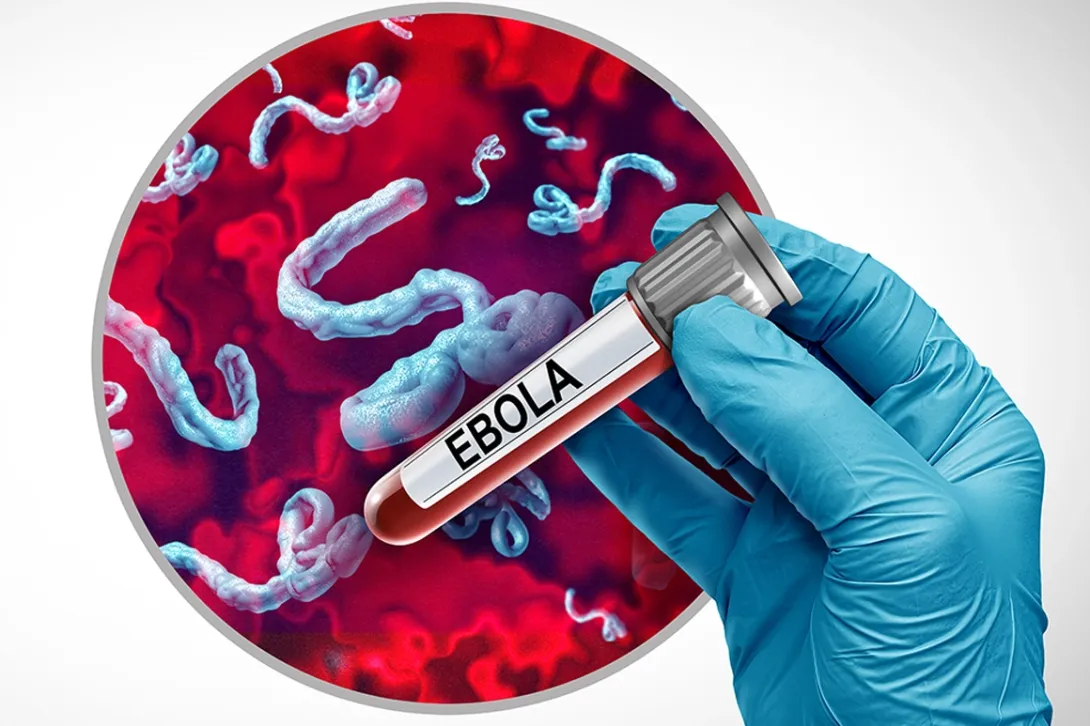
The Director-General of the WHO has declared the outbreak of Bundibugyo virus disease –a strain of Ebola– detected in the Congolese province of Ituri to be a public health emergency of international concern, with eight confirmed cases, 246 suspected cases and 80 deaths in at least three health zones. The situation has been exacerbated by the confirmation of two cases in Kampala (Uganda) in people who had arrived from the neighbouring country.
Unlike other strains of Ebola, there are no approved specific treatments or vaccines against this virus, hindering clinical management. The WHO also points out that the high level of insecurity, the humanitarian crisis, the great mobility of the population and the dense network of informal health centres in the area significantly increase the risk of spreading, in a context similar to that of the major Ebola epidemic that affected that region between 2018 and 2019.
Among its recommendations, the Organisation calls for enhanced surveillance and laboratory capacity, ensuring infection prevention in healthcare settings, and the establishment of specialist units for the isolation and treatment of cases.