The rise of second-hand goods
In Spain, 40 per cent of the population regularly uses the buy-and-sell market. But is this just a fad or an established concept?
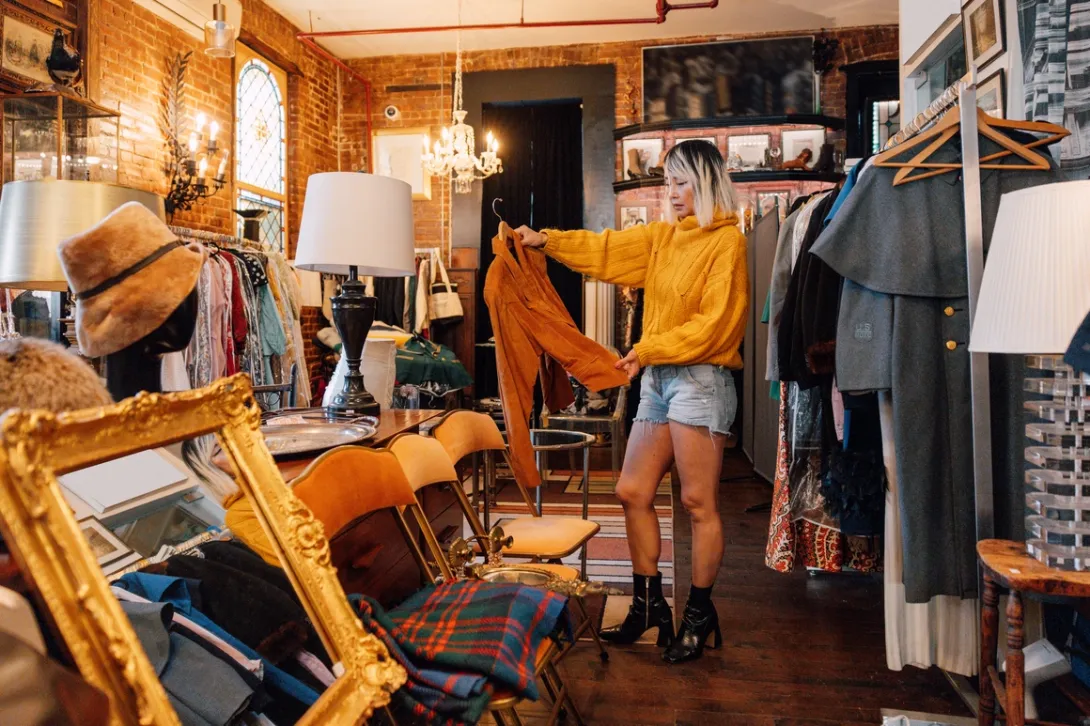
Buying second-hand goods is all the rage. A growing number of people are choosing to explore vintage shops or flea markets in search of unique items or hidden treasures. In response to this trend, the buying and selling sector has experienced significant growth, with the emergence of specialist shops and online marketplaces.
But, given that we live in an age of immediacy, fast fashion and the ‘use and throw away’ mentality, what is driving the growth of this sector?
Why has the second-hand market boomed?
Nowadays, the main reason for visiting these shops is not just the savings they offer but also environmental awareness. After all, every time you choose a second-hand item, you prevent it from becoming waste and help to reduce the volume of new production.
Furthermore, there are other factors that make reselling an attractive option:
Surprisingly, this practice, which was once associated with necessity rather than personal choice, has now become a trend that, for many, reflects personality and exclusivity.
An environmentally friendly purchase
Most of a product’s environmental impact occurs during its manufacturing process. Many industries consume large quantities of natural resources, such as water, energy and raw materials, to maintain production levels. Furthermore, the growing use of artificial intelligence in this process has increased the consumption of these resources.
Every time we choose a second-hand product, we help to reduce the need to manufacture a new one and, consequently, the pressure on natural resources. Furthermore, by extending its useful life, we prevent the generation of waste and some of the emissions associated with its management and treatment.
In fact, according to the report The State of Reuse in Spain, produced by Misura, reuse could prevent up to 38.9 million tonnes of CO₂ equivalent associated with production. It also estimates that around 916,000 tonnes of waste would be avoided, waste that might otherwise end up in landfills or incinerators.
Therefore, promoting the circularity of products prevents unnecessary waste and contributes to a more efficient use of resources, fostering a more sustainable consumption model.
It’s not just about buying but also about selling
It’s not just buyers of second-hand goods who are promoting the circular economy. Those who choose to sell items in good condition that they no longer use also play an important role.
We often choose to throw away items or furniture that are getting in the way when, in reality, they’re in perfect condition. That old mobile phone, the clothes that no longer fit in the wardrobe or those books forgotten on the bookshelf... all these items can still be useful to other people. Selling them allows us to extend their useful life, avoid unnecessary waste and, what’s more, make a financial gain from things we no longer use.
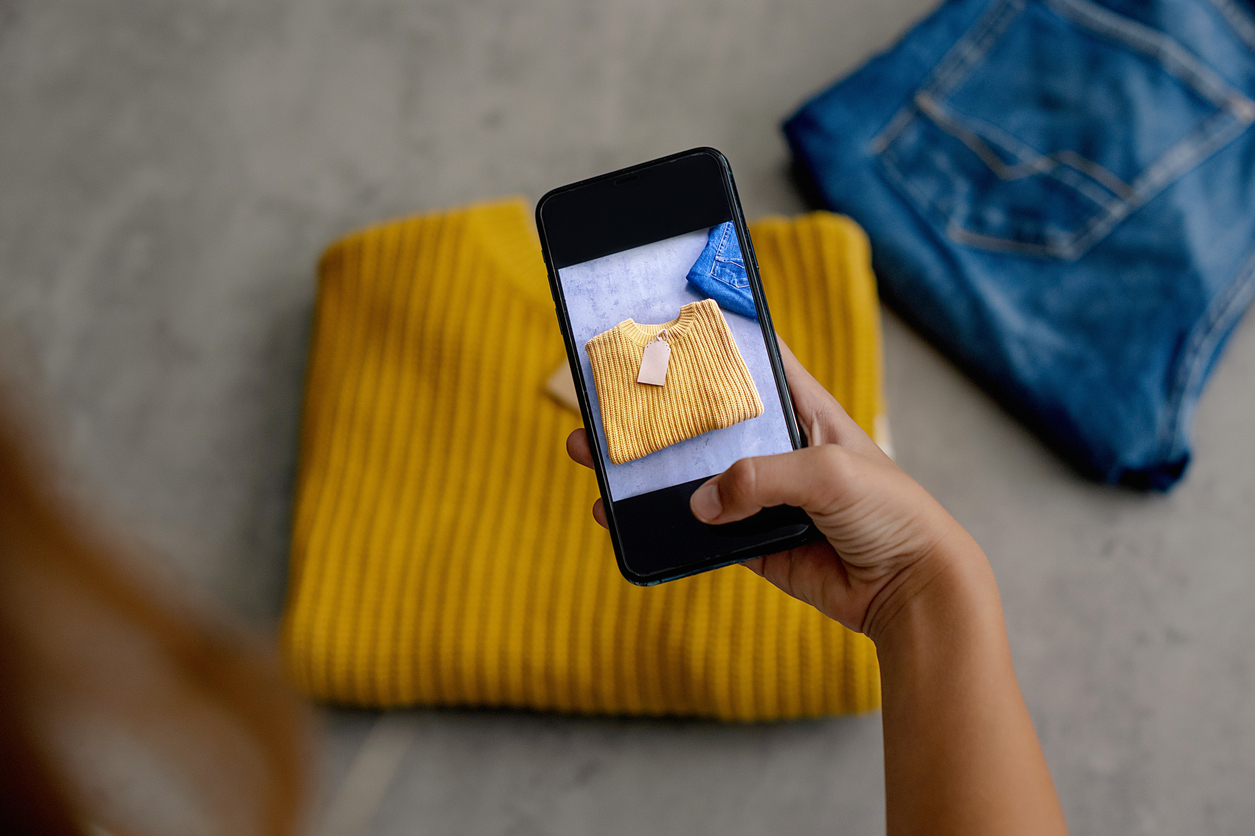
There are specialised platforms, such as Wallapop and Vinted, which facilitate this buying and selling process, connecting thousands of people interested in buying and selling second-hand items in a straightforward way. Giving a new lease of life to things we no longer need is one of the simplest ways to reduce waste and promote conscious consumption.
What you need to know before buying second-hand goods
It’s common to find that starting to buy second-hand goods can be overwhelming or cause uncertainty. If you’ve decided to enter the world of sustainable shopping but don’t know where to start, you’ll find it helpful to know a few tips that will make your decisions easier.
Before buying something new, it’s essential to consider whether we really need it and to check whether we can find it second-hand and in good condition. Often, we can get the same item more cheaply and sustainably.
In these cases, the first step is to check the seller’s profile. The user’s personal details, such as how long they’ve been a member and their profile picture, as well as ratings from other users, are extremely useful. You should be wary of ‘ghost’ sellers, that is, those with no personal details, who have only recently created their account or who have no comments from other users.
Once you’ve passed this initial check - and before making a purchase - you should check the condition of the product you’re about to receive. For example, in the case of electronic goods, you can ask for more detailed photos, such as the date of manufacture or signs of wear and tear. Clarifying any doubts that arise is essential to ensure you’re buying the right product.
Applying the principles of the circular economy does not involve making major changes or investments. It simply means consuming more responsibly, making better use of resources and prioritising products that still have a lot to offer.