Work for a sustainable agriculture
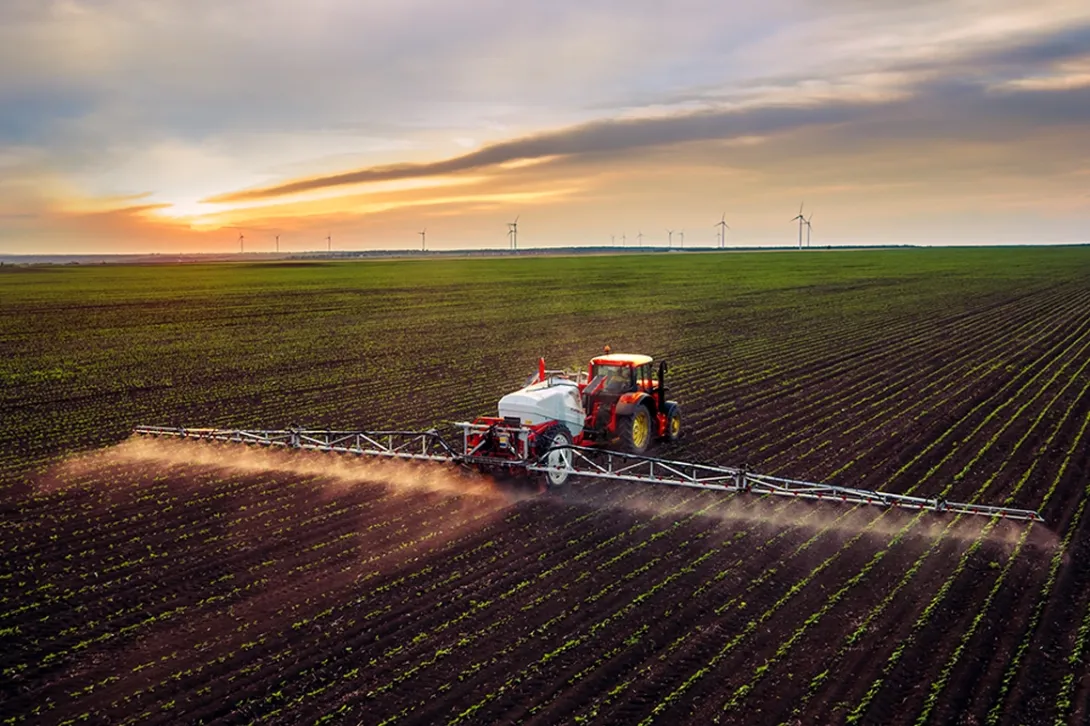
Producing food sustainably also involves transforming the way we farm and manage our resources. To this end, Europe has its sights set on 2040.
In much of Europe, the concentration of economic activity in large urban centres has, for a long time, led to a certain deterioration of rural areas. Today, however, we are more aware that agriculture and food production serve to ensure healthy and sustainable diets in a more self-sufficient way.
For this reason, in 2025 the European Commission presented a document entitled Vision for agriculture and food which aims to set out a strategic roadmap so that, by 2040, a substantial redefinition can take place. The aim is to have a stronger and more innovative agri-food sector that benefits both farmers and consumers. Below, we summarise some of its main conclusions.
How can we achieve a prosperous agri-food sector?
To meet this goal, the Commission has focused on four key strands.
Action is urgent
Although the media never stop talking about sustainability, the truth is that we are not doing enough. This is confirmed by the latest European Sustainable Development Report, which can be consulted on the website of the Spanish Network for Sustainable Development (SDSN Spain).
The report confirms that, for the moment, no European country has achieved — nor is on track to achieve — the 17 Sustainable Development Goals (SDGs). In fact, the progress recorded has slowed in recent times, even going into reverse (in the case of Spain, for example, we have gone from 20th to 22nd place in the ranking of the 41 countries studied).
The most pressing outstanding issues at global scale are: Climate Action (SDG 13), Biodiversity and Ecosystems (SDGs 14 and 15), Responsible Consumption and Production (SDG 12) and achieving Zero Hunger (SDG 2).
What should global production be?
The European Commission has proposed limits within which global food production should remain in order to reduce the risk of irreversible or potentially catastrophic changes for the planet.