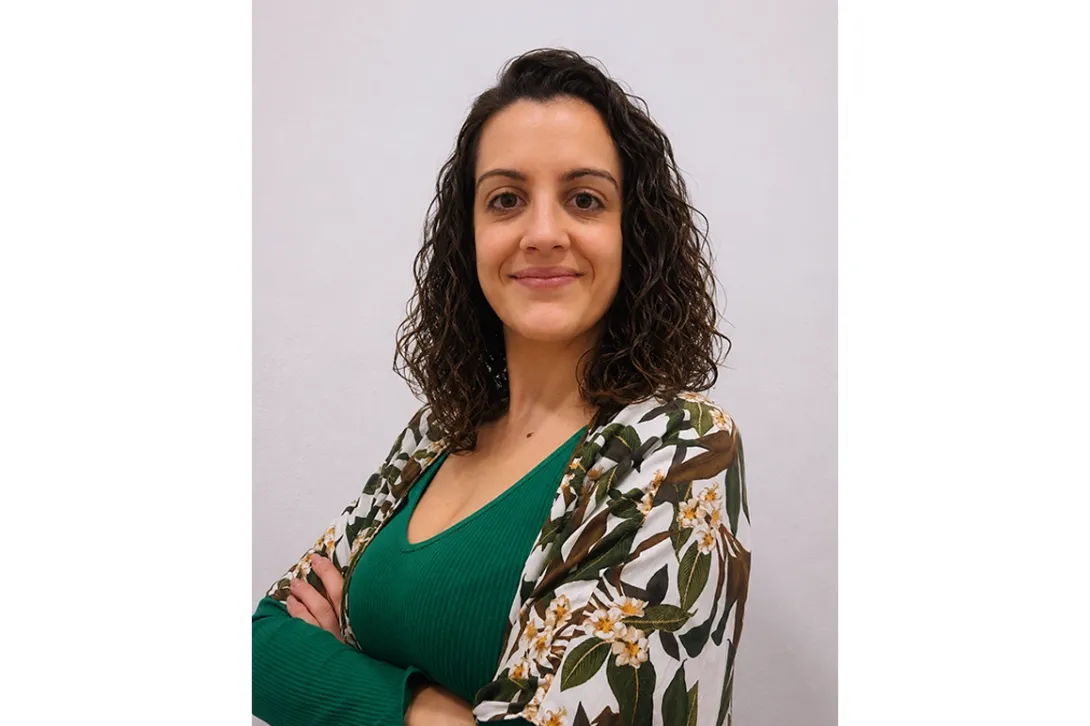
We spoke with Rocío Bueno Martínez, Nutrition Coordinator of the HLA Hospital Group, about what we can do to eat in a healthier and more sustainable way.
“We have gone from scarcity to excess. We must go back to hearty home-style dishes”
Although we live, in developed societies, in an era of apparent abundance, it seems that we have more food-related problems than ever.
Indeed, we have never produced so much food. And yet, we have never had as many food-related challenges as we do today. We know that our way of eating, on a general societal scale, causes diseases such as obesity or type 2 diabetes, which are already starting to appear even in very young people. At the same time, all this generates various pressing problems for the planet, such as the increase in greenhouse gases and the loss of biodiversity.
What has caused us to eat worse today than before?
Having such easy and immediate access to food has meant that, in many cases, the concept of a healthy diet has been lost. There is an excess of production, consumption and waste of unhealthy foods, such as processed and ultra-processed products, made with low-quality oils or overly refined flours.
In many cases, we have abandoned the Mediterranean diet for a way of eating that seeks immediate gratification.
Is our lifestyle the cause of all these changes?
It certainly has a lot to do with it. Today’s stress has led many people to turn eating into a mere formality. Today we find groups of citizens who are very committed to their diet, in some cases even in a way that can become obsessive and others who, on the contrary, have allowed themselves to be carried along by a model that moves completely away from the way our grandparents ate.
In Spain, previous generations sometimes ate what they could, but many of them enjoyed better health. We have gone from scarcity to excess. We must leave fast food behind and go back to hearty home-style dishes and bring back salads, pulses and fruit.
Going back to simplicity seems to be the key.
We can say that plant-based foods take care of the health of the individual and also of the planet. In addition, they cost less to produce and to look after. It is about returning to a simpler model and enjoying the pleasures that come with it.
On many occasions, what should be reserved for special occasions has become excessively integrated into everyday life. We see this in current trends such as the obsession with aged meat.
Many citizens may feel confused about which foods are truly healthy. How can they make better-informed choices among the many products that appear to be healthy?
Marketing pushes many people to consume more expensive organic products or those with extra protein. In reality, most foods already contain a sufficient amount of natural protein, so it is not necessary to transform them.
Nature provides us with what we need. In addition, all Spanish farmers and livestock breeders use products suitable for human consumption, which have passed health checks. Is an organic apple better than an ordinary apple? Perhaps it is better to look at whether it comes from Spain. Ideally, food should always be locally sourced and seasonal.
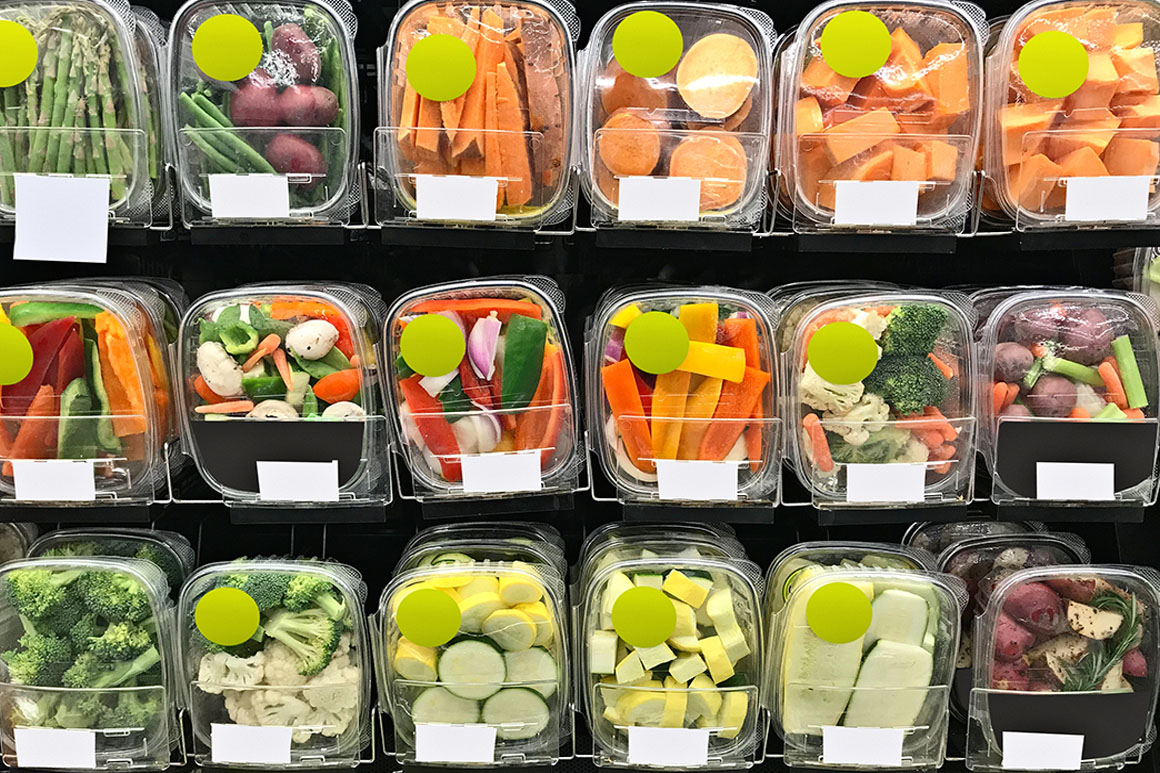
But the challenge of food goes beyond consumer decisions. What can we do on a global scale?
The problem cannot be shifted solely onto the citizen. As the EAT-Lancet report shows, we are facing a serious dilemma that requires a collective commitment. There must be global policies that promote improvements in food, from production to consumption. From agriculture to the plate, we must be able to make the whole chain healthier and more sustainable.
On an individual level, what could we advise our readers to do to improve their diet?
Few people go shopping with a plan. They tend to fill the trolley compulsively with products rather than with real food. A first major step is to stop and think about how we eat and see what we can do so that at least 50% of our diet is made up of fruit, vegetables, greens and pulses. There is no need to become obsessed with suddenly turning ourselves into a new person.
The best thing is to achieve small goals, incorporating new habits that promote a major change in the long term. Also, to listen to our body and know how to plan properly; to unlearn habits that do not benefit us in order to relearn those we have forgotten.