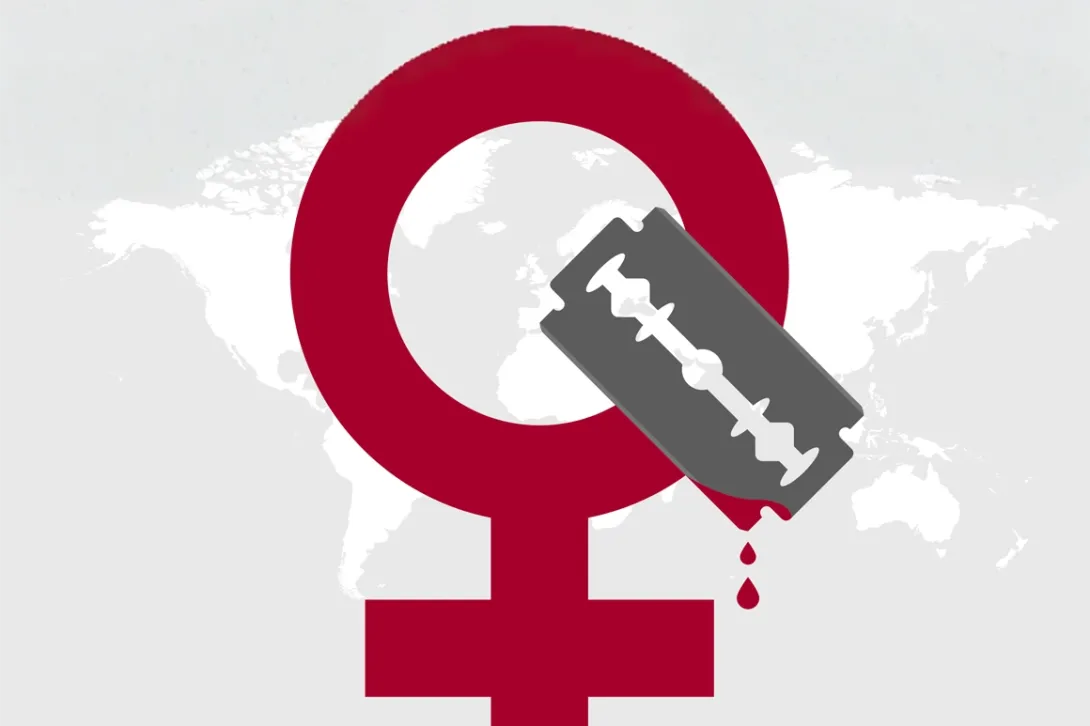
More than four million girls remain at risk of female genital mutilation
About two-thirds of the population already support its elimination and the number of girls subjected to the practice has decreased in recent decades.
More than 4.5 million girls could suffer female genital mutilation (FGM) by 2026, many of them under the age of five, according to estimates by United Nations agencies. Currently, more than 230 million girls and women in the world live with the consequences of this practice, considered a violation of human rights and with serious effects on physical and mental health.
Nonetheless, experts stress that progress is possible. In countries where FGM is practised, about two-thirds of the population already support its elimination and the number of girls subjected to the practice has decreased in recent decades, from one in two to one in three.
Investment, education and child protections, keys against FGM
Strategies such as health education, the involvement of community and religious leaders or support for survivors have proven to be effective tools to reduce its incidence. However, the United Nations warns that cutbacks in international funding and in health, education and child protection programmes threaten to slow down these advances.
Without sustained investment, they warn, millions of girls could remain at risk at a key moment in terms of meeting the goal of eradicating this practice by 2030.