The impact of sunscreen in the sea and biodiversity
Experts are warning about the impact of sunscreen in the sea and its consequences. Are there environmentally friendly alternatives?
There is growing awareness of the risks associated with prolonged exposure to the sun and the importance of using sunscreens to protect the skin. This concern, together with the annual increase in coastal and marine tourism, is leading to greater use of these products every summer.
The problem is that the use of sunscreen hides a risk that affects marine biodiversity without most people realising it. It is estimated that between 6,000 and 14,000 tonnes of sunscreen end up in the sea each year. Some of this residue contains ultraviolet (UV) filters and other substances that disperse in the water and affect the reproduction and growth of many species.
Although experts warn that much remains to be investigated about the impact of sunscreen on the marine environment, the latest studies already suggest that some of these compounds may alter essential biological processes in a range of marine organisms. In addition, they may contribute to the degradation of particularly vulnerable ecosystems.
How does sunscreen reach the ocean?
When we enter the water after applying sunscreen, part of the product is released directly into the sea. According to the United States National Oceanic and Atmospheric Administration (NOAA), some of the ingredients found in sunscreens can remain in the aquatic environment and accumulate in various marine organisms.
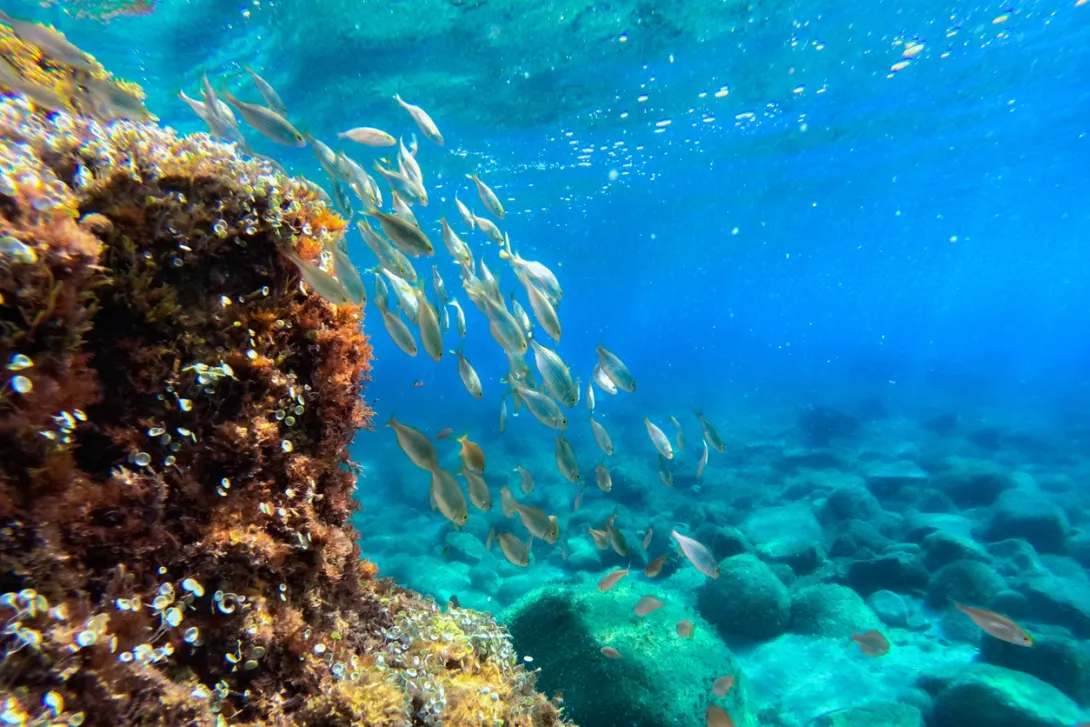
For example, in green algae, the impact of sunscreen in the sea can cause difficulties in growth and photosynthesis. Likewise, other animals such as fish, mussels and sea urchins may experience reproductive problems and produce offspring with developmental defects.
Coral reefs: the ecosystems most affected by sunscreen pollution
Coral, in addition to being valued for its unique beauty, is essential for maintaining marine balance. When healthy, coral reefs provide coastal protection against ocean currents and offer food and shelter for numerous species. They are also crucial for many medical treatments because of their anti-inflammatory, anti-cancer and bone-repair properties.
However, many coral reefs are in a vulnerable condition due to climate change, unsustainable fishing, pollution, coastal development and invasive species, among other pressures. In fact, many coral species are at risk of extinction and are included on the IUCN Red List.
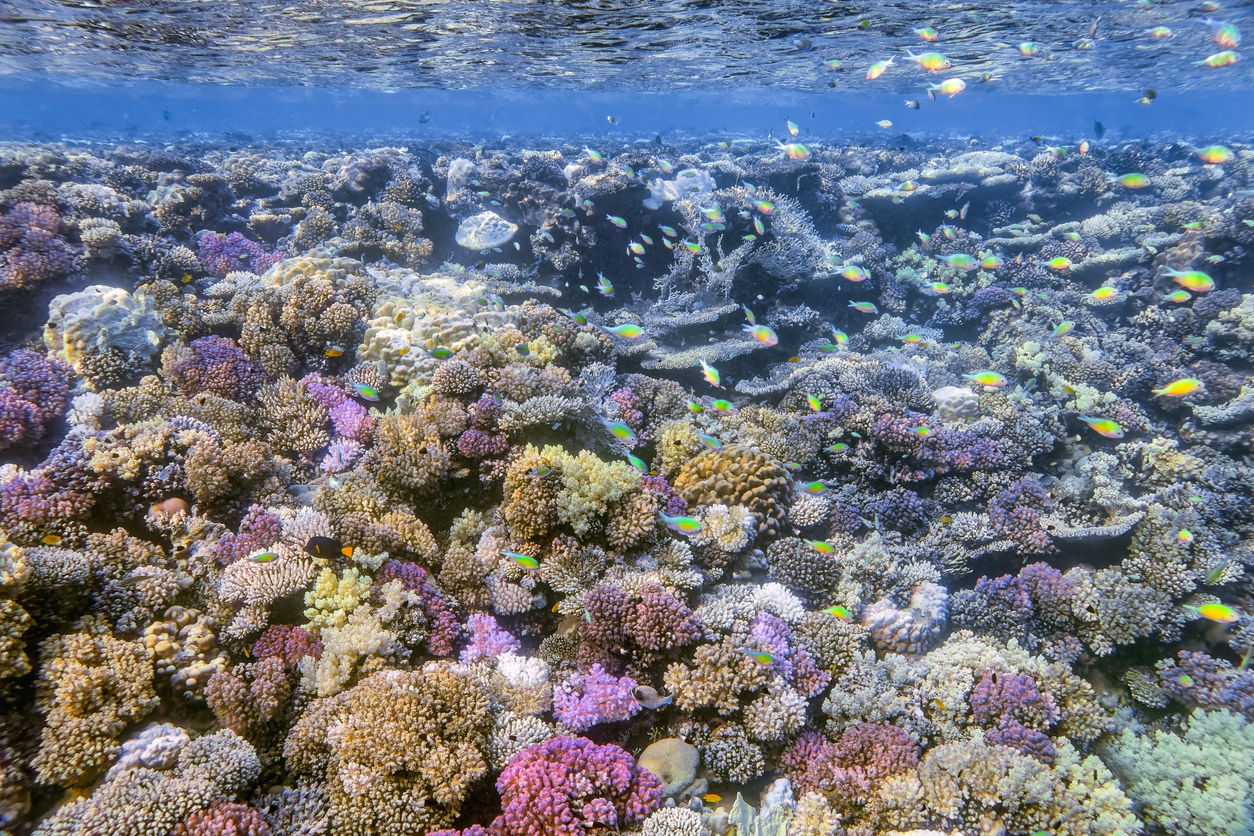
The impact of sunscreen in the sea also affects coral. Many organisations and experts warn that substances found in sunscreens affect coral tissues and can damage DNA, deform young polyps or trigger coral bleaching.
Science seeks solutions to reduce the impact of sunscreen in the sea
Despite scientific advances, there is still much to learn about the real effects of sunscreens on the marine environment. UV filters are considered emerging pollutants, as their presence in the environment only began to be studied relatively recently.
One of the current challenges facing researchers is to reduce the environmental impact of sunscreen in the sea without compromising protection from the sun. To this end, several projects at the Marine Sciences Institute of Andalusia (ICMAN-CSIC) are studying the toxicity of these products and developing tools to assess their environmental impact before they reach the market.
In addition, some researchers are working on systems capable of detecting the presence of sunscreen filters in coastal waters. These systems could help monitor the environmental quality of beaches and provide a better understanding of the extent of this pollution.
So, is it possible to protect both our skin and the ocean?
There is no doubt that using sunscreen is essential for protecting our skin, especially during periods of intense exposure, such as days spent at the beach. The aim is therefore not to stop using it, but rather to move towards more environmentally friendly products.
As research continues, experts recommend complementing sunscreen use with other protective measures, such as UV-protective clothing and accessories, or seeking shade during the sunniest hours of the day.