4 tips for sleeping in summer and getting a better night’s sleep
High temperatures often make it difficult to get to sleep. For this reason, we're bringing you some tips for sleeping in the summer and getting a good night's sleep.
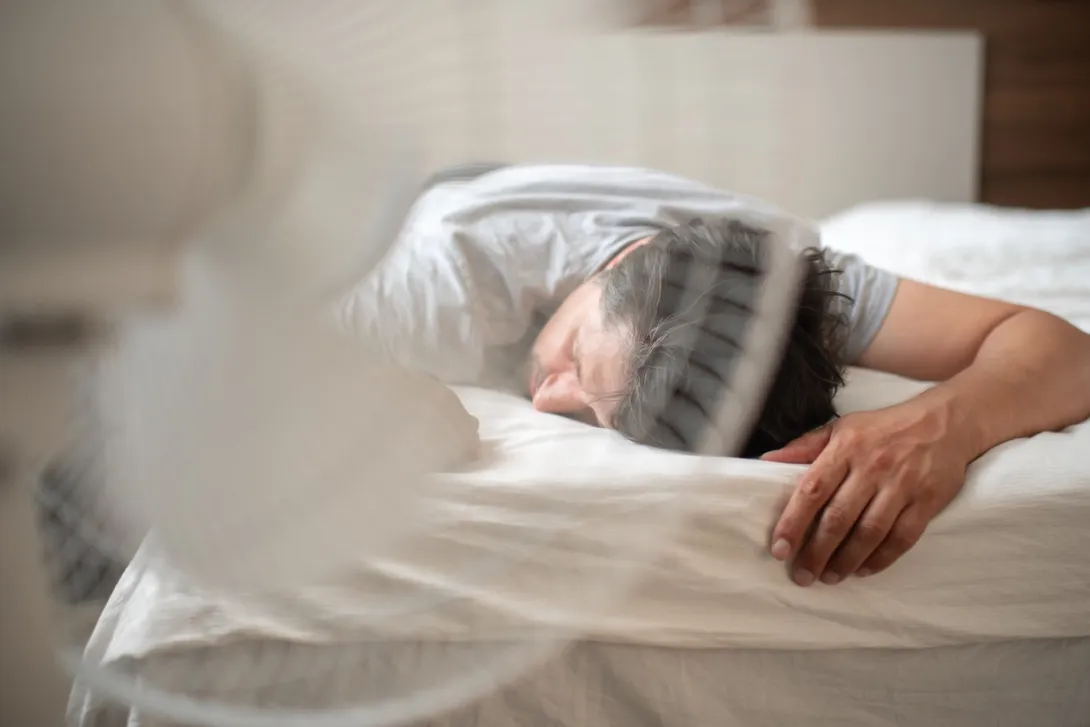
According to several studies, the ideal temperature for sleeping in summer is between 18°C and 25°C. Above this range, sleep quality tends to decline and night-time awakenings become more frequent due to the heat.
Particularly during summer, when night-time temperatures in some regions often exceed 30°C, getting a good night's sleep can become quite a challenge.
Why is it harder to sleep in summer?
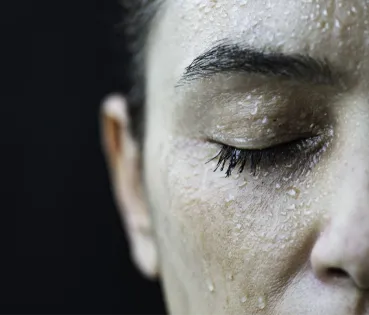
Sleep is closely linked to the regulation of body temperature. To fall asleep, the body's core temperature needs to drop slightly. When the bedroom is too warm, the body has greater difficulty dissipating heat. As a result, it takes longer to fall asleep, and night-time awakenings become more frequent.
These are the main findings of a systematic review published in Sleep Medicine Reviews, which analysed 36 studies conducted over the past three decades. The review also concluded that high temperatures reduce both the quality and quantity of sleep. In the long term, this may pose a threat to health, well-being and performance.
Heat affects sleep in people all over the world, although some groups are particularly vulnerable. These include older adults, women, people living in particularly hot regions, and those with fewer financial resources or limited access to cooling systems such as air conditioning.
How poor sleep affects the body
A prolonged lack of sleep can affect overall health. Sleep deprivation or poor-quality sleep has been associated with an increased risk of:
- Cardiovascular disease.
- Metabolic disorders such as obesity and diabetes.
- Mental health disorders.
- Poorer cognitive performance and reduced ability to concentrate.
- A higher risk of accidents and injuries.
In addition, heat can increase the frequency of night-time awakenings. When sleep is fragmented, sleep efficiency decreases and, over time, this can have a negative impact on health and physical and psychological well-being. It is therefore essential to adopt habits that help you sleep better during the summer and promote a restorative night's sleep.
Tips for sleeping well in summer
The most important step to improve sleep during the summer is to create a comfortable indoor environment. In other words, maintain a suitable temperature inside your home.
During particularly hot weather, it is advisable to keep the windows closed and the blinds down during the day to prevent the sun from heating up the room. At night, however, opening the windows can help create air currents that improve air circulation and cool the rooms.
Tips for sleeping in summer without feeling too hot
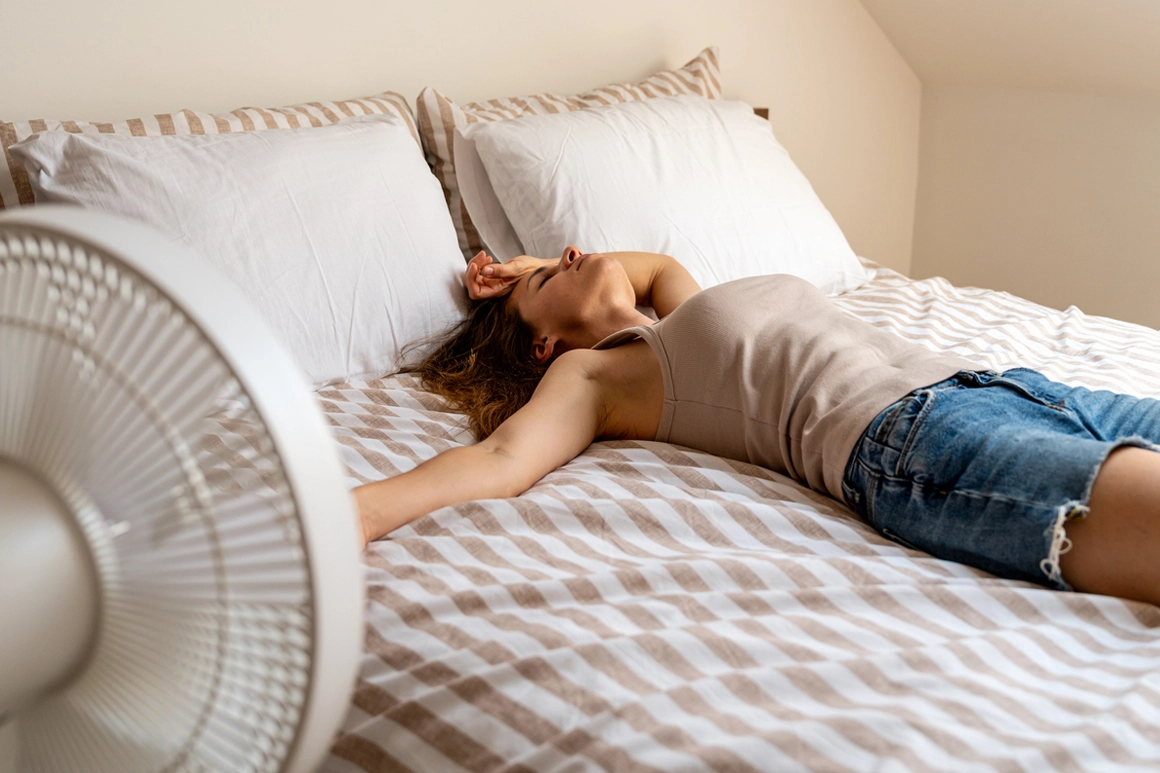
Use fans or create draughts
1 of 4
Unlike air conditioning, fans do not cool the air, but they do improve sweat evaporation and help the body lose heat more effectively.
This makes it easier for the body to maintain a more suitable core body temperature for sleep.
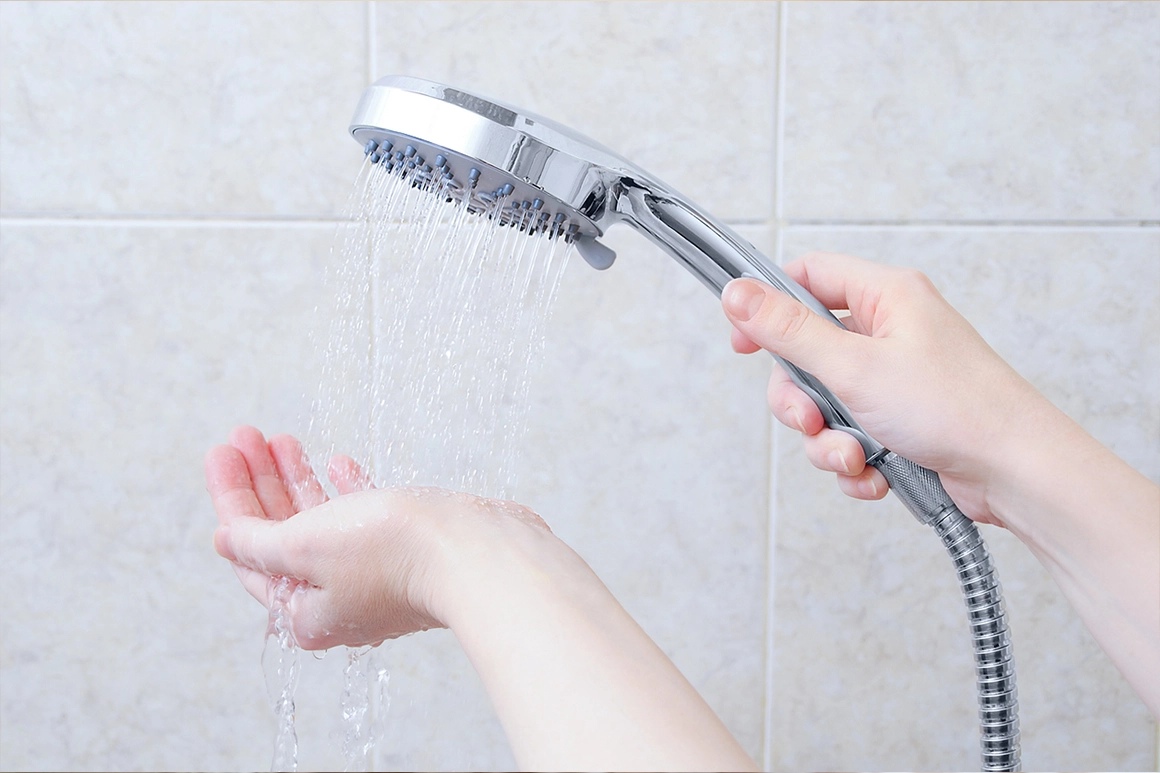
Have a warm shower before going to bed
2 of 4
Although it may seem contradictory and less appealing than taking a cold shower, a warm or hot shower can actually help you cope with the heat.
As well as helping the body to relax, it also activates the body's natural cooling mechanisms, resulting in a longer-lasting feeling of freshness.

Choose cotton or linen bedding
3 of 4
Both are lightweight and breathable fabrics. They absorb moisture well and dry quickly, making them an ideal choice for exceptionally hot nights.

Take part in regular physical activity
4 of 4
When we exercise during the summer, the body has to work harder to regulate its temperature. This process, known as heat acclimatisation, helps the body gradually adapt to the heat and better tolerate hot weather.
It is important to avoid exercising during the hottest part of the day, as this increases the risk of heatstroke and dizziness. Instead, it is safer to exercise early in the morning or later in the evening.