How to make a perfect poached egg?
Here are a few tips for making a poached egg that’s firm on the outside and creamy on the inside.
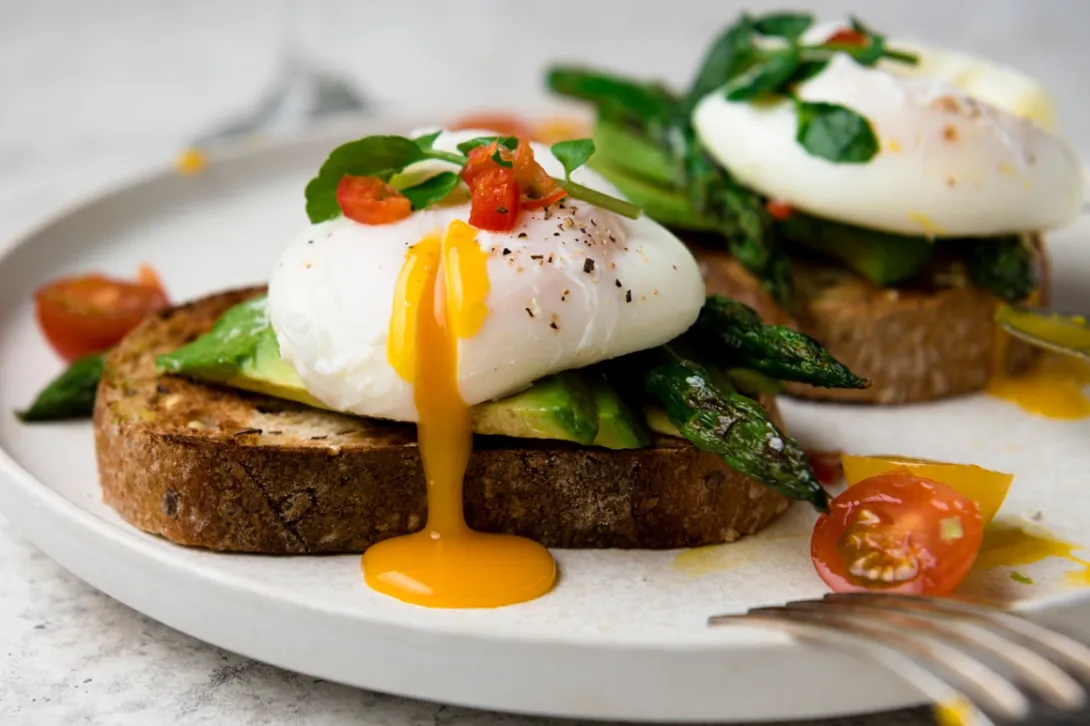
The poached egg, also known as a coddled egg, has its origins in traditional French cuisine. The preparation technique is very simple: the egg is cooked without its shell in hot water to achieve a firm white and a soft, creamy yolk.
However, achieving the perfect result is not always easy. The white is very delicate and can spread in the water during cooking, although there are a few tricks that can help achieve that perfect poached egg texture.
One of the most complete foods
Eggs are a staple in gastronomy and highly valued for being a great source of protein and essential amino acids. In addition, they provide vitamins A, D, E, K, B1, B6, B7 and B12, as well as minerals. They also contain healthy fats, concentrated in the yolk. In fact, eggs are one of the animal-based foods with the best fat composition.
Their nutritional value and flavour make them a very versatile ingredient and ideal to enjoy at any meal of the day. Some people prefer them fried, with a runny yolk, or boiled; others enjoy them scrambled, as an omelette or poached. Although there are many ways to enjoy this food, its cooking has its nuances. That is why today we bring you two simple ways to prepare a poached egg so that it turns out perfectly.
Ingredients
- 1 fresh egg
- Water
- Salt to taste
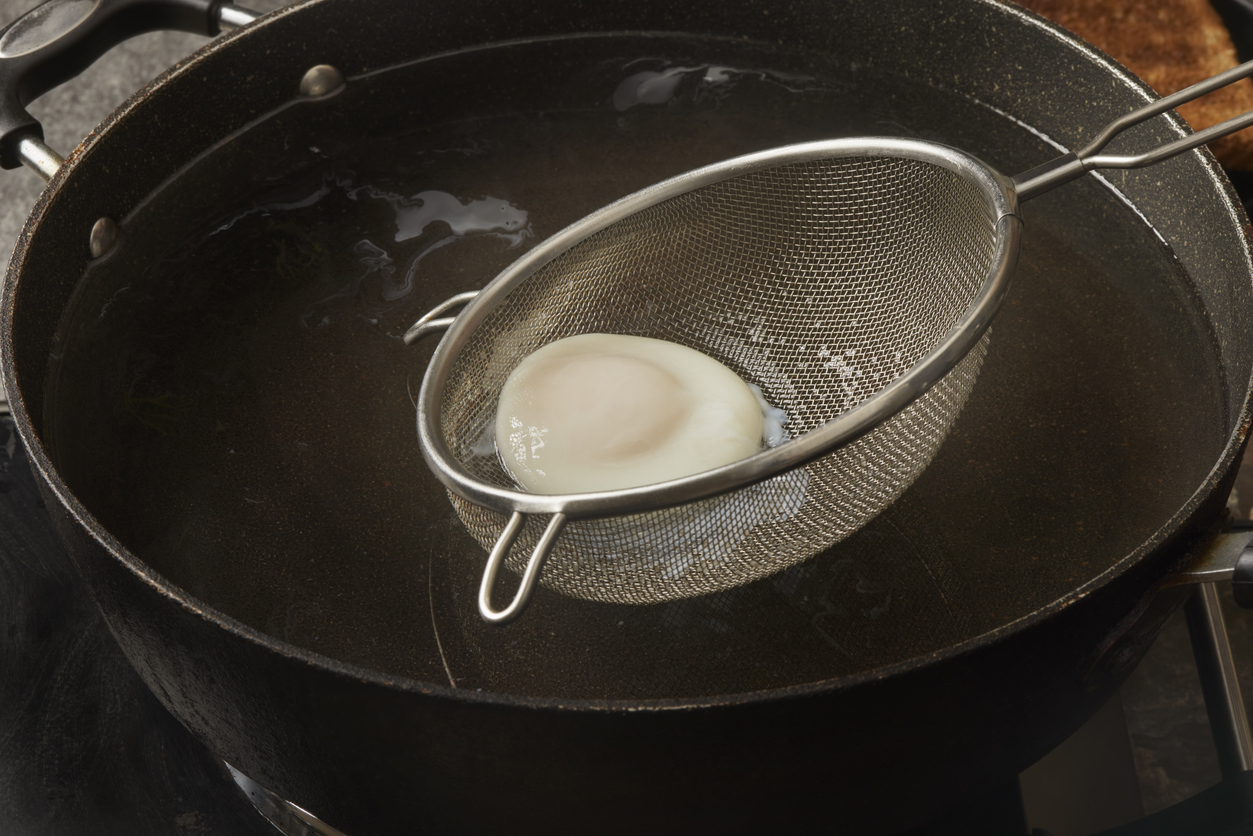
Tips for the perfect poached egg
The main trick is to use very fresh eggs. This way, the white stays together around the yolk more easily and the result is more uniform. A splash of vinegar can also be added to the cooking water to help the white set.
If you want to save the poached egg to eat later, you should immerse it in cold water with ice immediately after cooking. This will stop the cooking process and keep the yolk intact. Before serving, it can be heated for a few seconds in hot water or with an accompanying sauce.
The best thing about poached eggs is that they can be combined in many ways, from toast with ham and avocado to soups, salads or vegetables sautéed in a pan. Achieving a perfect texture requires patience and practice, but the result is worth it.