
What to do in the event of an anaphylactic shock
Find out how to treat anaphylactic shock and what the most common causes of this condition are.
Anaphylaxis is a severe, systemic allergic reaction that occurs suddenly and affects several of the body’s systems simultaneously. When the body comes into contact with a substance to which it is hypersensitive, the immune system triggers an inordinate response that can lead to a severe drop in blood pressure, airway obstruction and multiple organ failure. Without immediate treatment, it can be fatal.
It is estimated that anaphylaxis affects around 2% of the population, and its incidence has been rising in recent decades, particularly among children and young people.
What can trigger it?
The most common causes are:
Symptoms usually appear within the first 15–30 minutes after contact with the allergen, although they can sometimes take up to an hour to develop.
They affect several parts of the body at the same time, ranging from the skin (hives, redness, generalised itching or swelling of the lips, tongue or eyelids) to the respiratory or digestive systems (nausea, vomiting or diarrhoea). The simultaneous presence of symptoms in two or more systems is the key sign to suspect anaphylaxis.
The adrenaline auto-injector
Adrenaline (also known as epinephrine) is the only medication that can stop an anaphylactic reaction. People with a diagnosed severe allergy should always carry an auto-injector (the best-known ones are the EpiPen and Altellus), prescribed by their doctor.
How does it work?
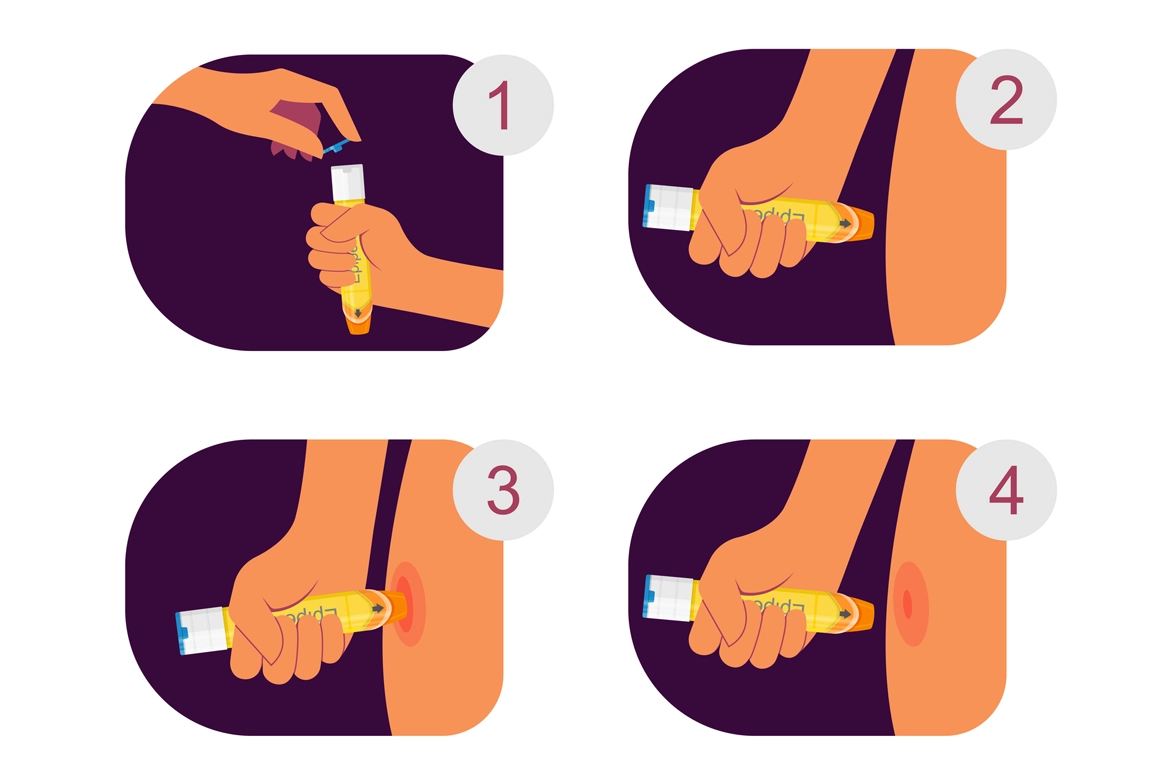
The auto-injector is a device pre-loaded with a single dose of adrenaline, designed so that anyone can use it, without any medical training.
Two further tips

Do not let the person get up or walk around, even if they say they feel better
1 of 3
They might suddenly collapse.
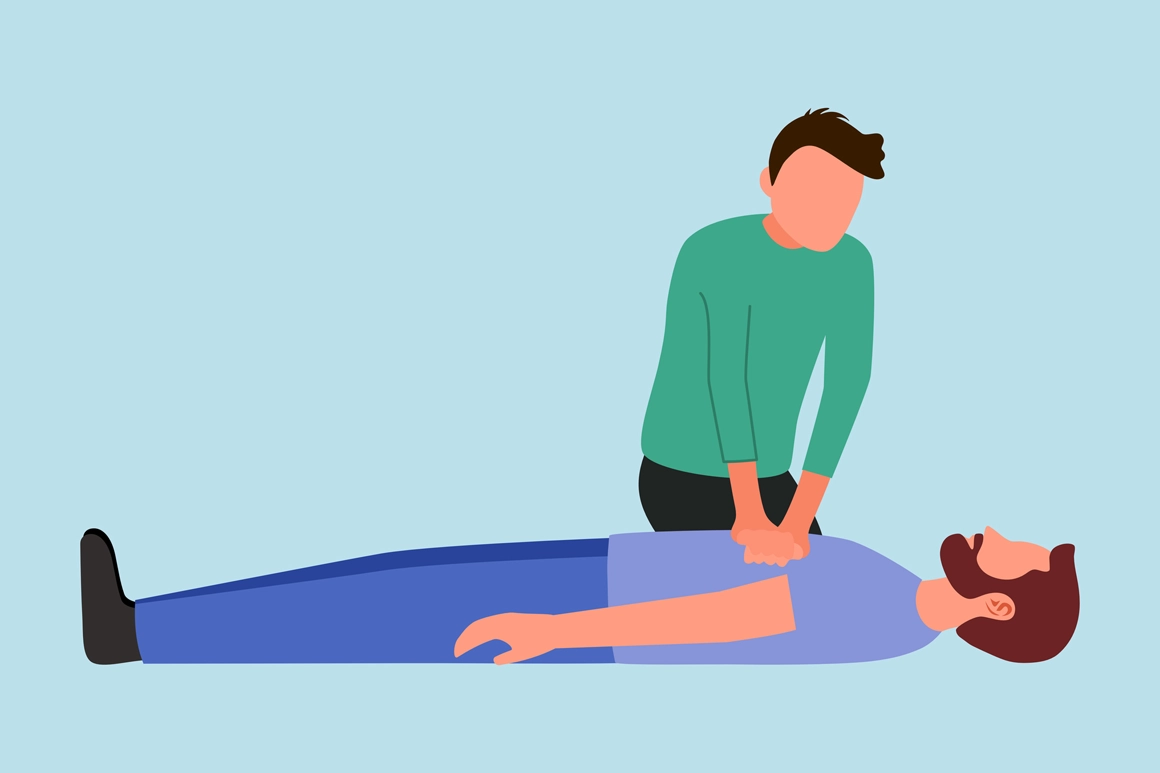
Start cardiopulmonary resuscitation (CPR)
2 of 3
If they lose consciousness and stop breathing whilst waiting for help to arrive.
Important
3 of 3
Administering the auto-injector through clothing isn’t a problem. Do not inject into the buttocks, hands or feet. After use, keep the device so that you can hand it over to the emergency services.