6 foods that support your gut microbiota
By taking care of your gut microbiota, often referred to as your ‘second brain’, you can improve your physical and mental health and prevent certain illnesses.
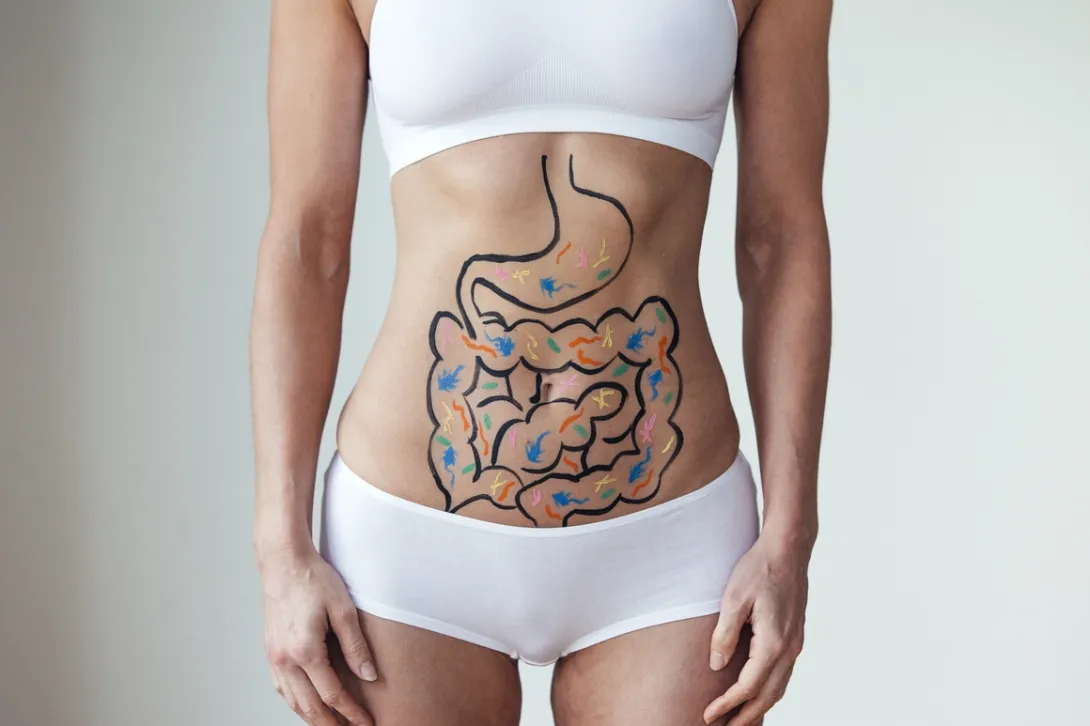
In recent years, there has been much talk about the gut microbiota and its impact on general well-being and longevity. But this tiny ecosystem housed in our gut has been with us since the early days of human existence. It consists of a variety of microorganisms (including bacteria, viruses, fungi and archaea) that live in our bodies and have a direct effect on our overall health.
The best-known and most studied microbiome is found in the gut, although it is also present on the skin and in the respiratory, urinary and reproductive systems. However, this miniature cosmos remains largely unexplored, and there is still much to discover about the extent of its impact on overall well-being. In fact, recent studies are linking it to obesity, gastrointestinal diseases and even neurological problems. For this reason, experts have named the intestinal flora as the second brain of our body and defend the importance of looking after it through diet.
What disrupts the gut microbiota?
Trillions of microorganisms live in our intestines, helping to keep us healthy and making up the gut microbiota. Each person has a unique composition that develops from birth and throughout life.
Some studies, including one published by the University of Cambridge, link the management of stress and negative emotions to an imbalance in bacterial strains. However, the most important factor lies in our habits. To maintain a healthy gut microbiota and avoid digestive problems, we need to limit our intake of ultra-processed foods such as pastries, trans fats, artificial sweeteners, processed meats and alcohol.
The importance of maintaining a healthy diet
Nutrition, alongside physical exercise, is one of the main factors that helps preserve the gut microbiota and keep it in good health. It is therefore essential to include foods rich in prebiotics – which act as a source of energy for our gut flora – and probiotics – which are external bacteria and yeasts that, when consumed in large quantities and on a regular basis, strengthen the gut microbiota.
In short, the key lies in maintaining a healthy lifestyle and including certain foods in the diet that help keep our internal ecosystem in good condition.
Foods that boost gut health
Fruit and vegetables
1 of 6
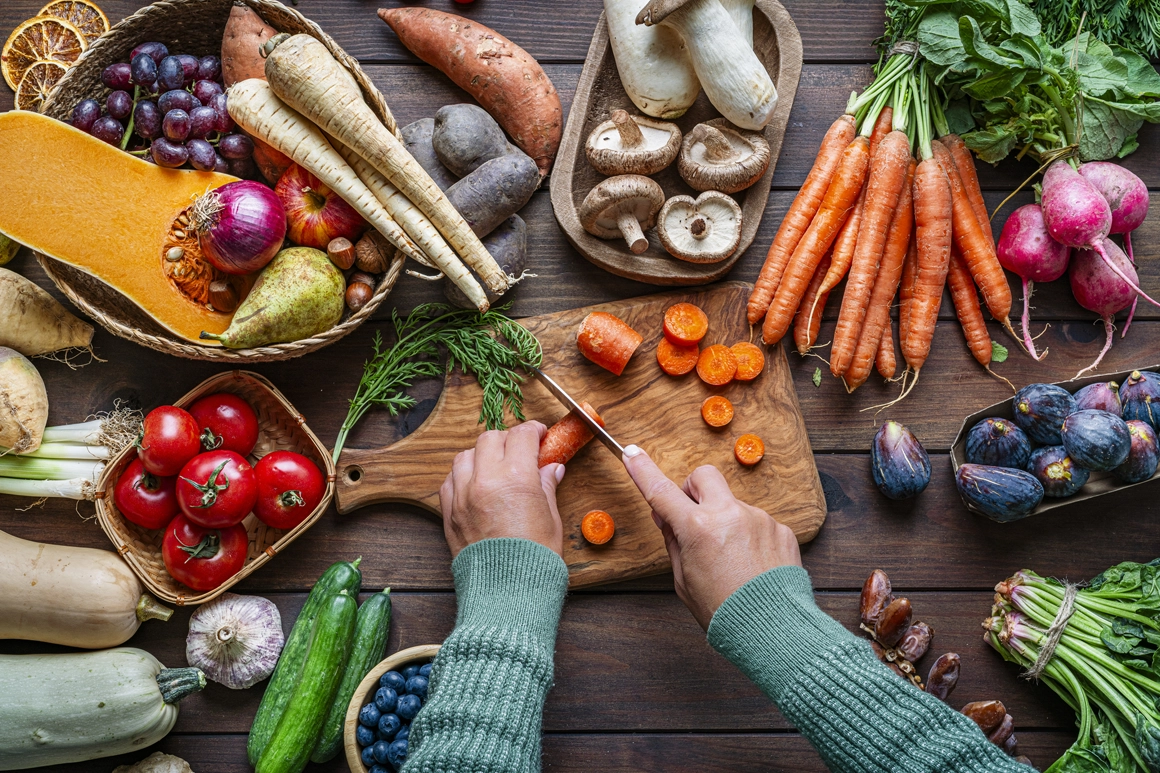
Although they form the basis of any healthy and varied diet, high-fibre foods protect the gut microbiota. This is because they act as prebiotics and feed the beneficial bacteria in the gut, which helps to nourish the colon, reduce inflammation and promote metabolic health.
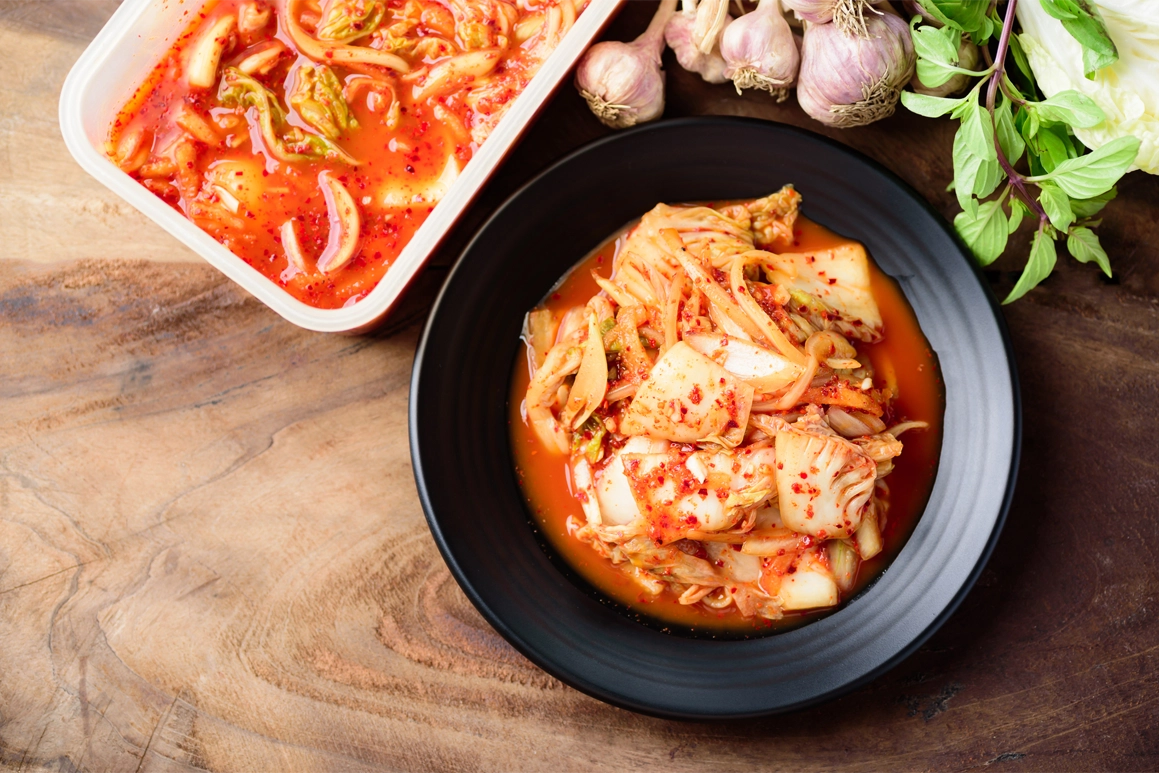
Kimchi and sauerkraut
2 of 6
Both are fermented foods produced by the fermentation of cabbage using microorganisms that break down the natural sugars and alter the composition, flavour and texture of the ingredients.
Kimchi is a staple of Korean cuisine and has a spicier, stronger flavour thanks to its combination of Chinese cabbage with garlic, ginger and chilli. Sauerkraut, on the other hand, which is very common in Europe, has a sour but milder flavour.
Some studies have found that regular consumption causes slight changes in the composition of the gut microbiota. It is important to note that these foods are not considered fully probiotic, as this depends on the quantity of microorganisms they contain. Nevertheless, they are considered powerful prebiotics and beneficial for gut flora.
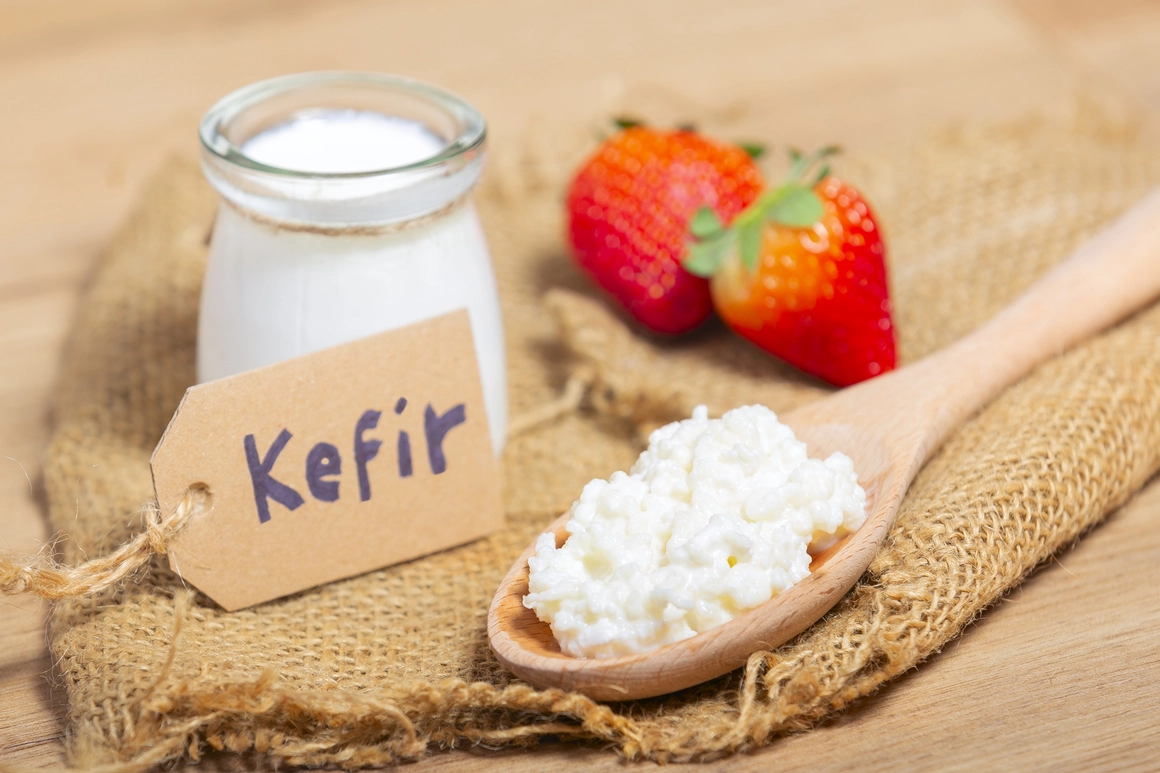
Kefir
3 of 6
Kefir is a fermented drink similar to yoghurt and, although their properties are virtually the same and both can be considered potential sources of probiotics, the difference lies in the microorganisms involved in the fermentation process.
In the case of kefir, a greater variety of bacteria and yeasts are involved in its production.
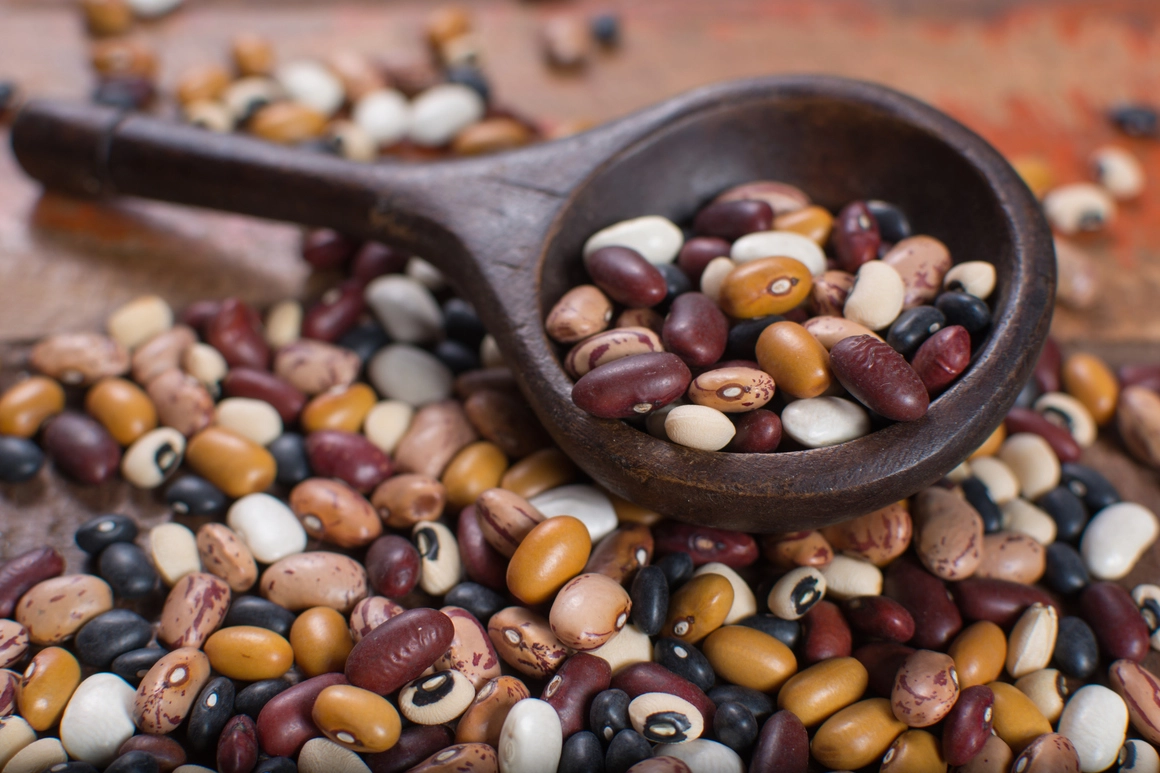
Pulses
4 of 6
Eating pulses provides fibre and compounds that promote the growth of beneficial microorganisms and improve metabolic balance. Although there is little evidence regarding their impact on the gut microbiota, it is recommended to include foods such as lentils, chickpeas and beans in the diet, as they contain B vitamins and essential minerals.
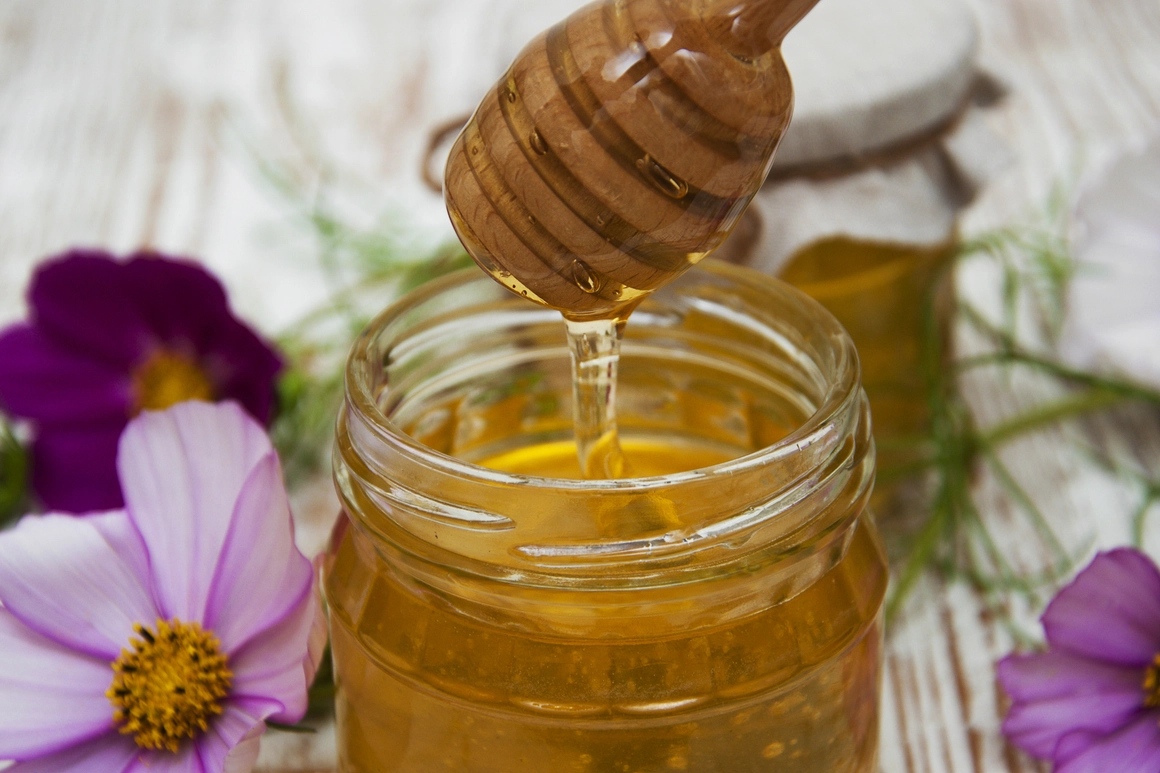
Honey
5 of 6
Some studies have found that honey offers numerous benefits for digestive health. It is made up of complex sugars that our bodies do not fully digest and therefore act as prebiotics for the gut bacteria.
However, it is important that the honey is of high quality, as it is cold-processed and retains its composition intact. In contrast, ordinary honeys are overheated and filtered, which reduces their beneficial properties for the gut microbiota.
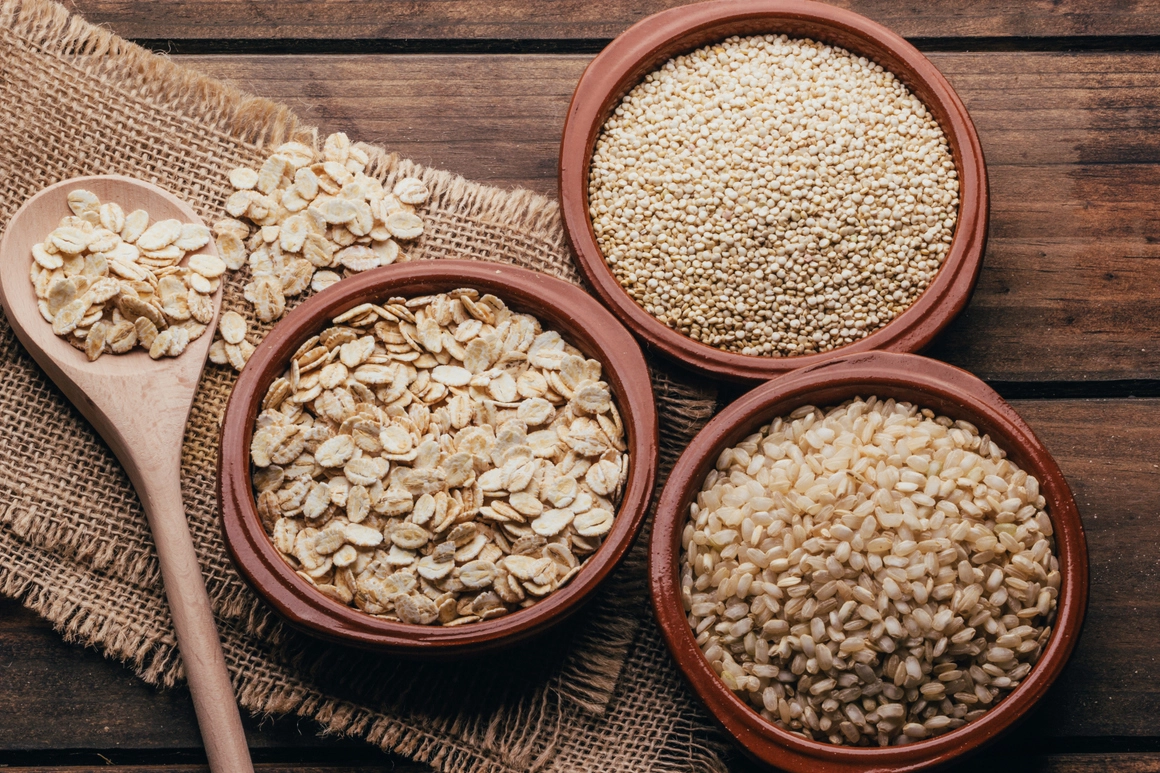
Wholemeal cereals
6 of 6
They are a highly recommended and nutritious alternative to refined breakfast cereals. Foods such as oats, brown rice and quinoa are an excellent source of energy, prebiotic fibre, vitamins and minerals, which promote the growth of beneficial microorganisms in the gut.