Social media: the modern mirror
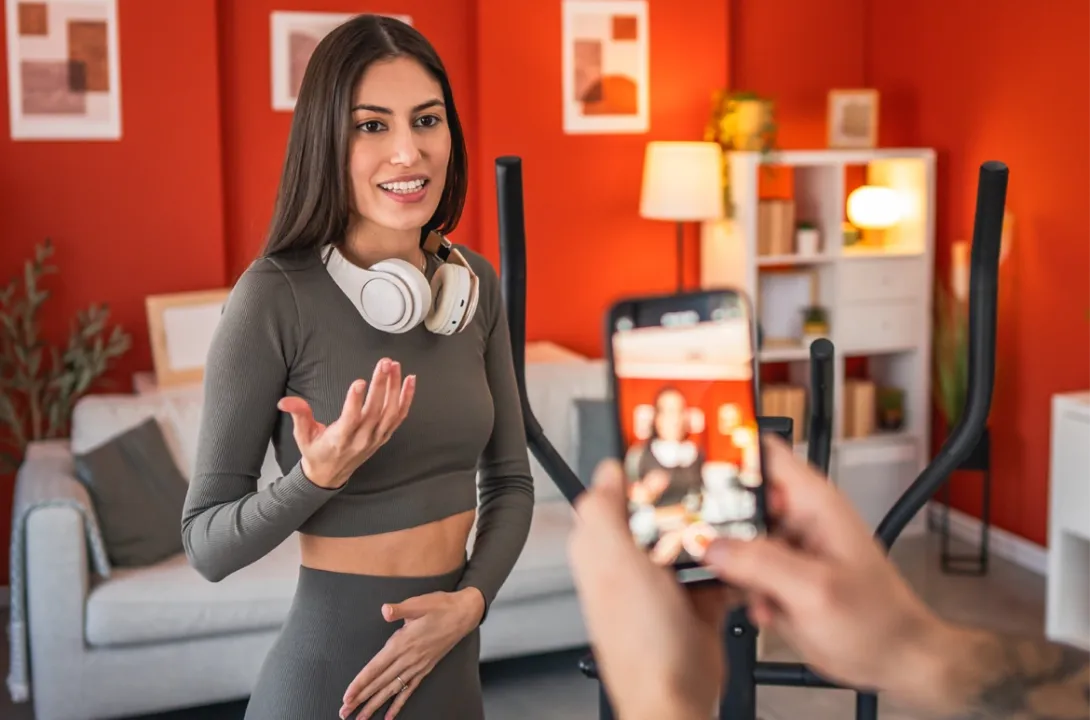
Wellness routines are shared endlessly on social media, a space that is equal parts inspiration and misinformation and which can become a source of anxiety and frustration.
To achieve a healthy body, it is necessary to follow routines that help us achieve the highest degree of functionality. To this end, wellbeing offers an infinite variety of habits that ultimately rest on two fundamental pillars of health: nutrition and exercise. “Routines in themselves are not a bad thing; in fact, they can be very beneficial because they help us to organise and maintain a certain stability in our day-to-day lives. The problem arises when we turn those routines into rigid rules or a measure of our self-worth,” explains Dr Laura Alfaro, a psychonutritionist at HLA El Rosario.
These routines are now spreading in the form of short learning modules that can be followed in just a few minutes – just the length of a very informative reel. “Social media is helping to encourage us to take an interest in improving our physical appearance and being more mindful of our diet, but we also run the risk of turning this into an obsession,” warns Dr Virginia Pagés, a sports medicine specialist at Hospital de Barcelona.
Content overload is one of the major problems facing these platforms, where it is becoming increasingly difficult to verify the accuracy of health-related information. On TikTok, in fact, the most common types of creators producing nutrition content are health and wellbeing influencers (32%) and fitness creators (18%), whilst dietitians (5%), nutritionists (4%) and other healthcare professionals (3%) are underrepresented.
Eating well and doing sport
Amidst recipes for healthy dishes, nutritional organisation techniques, recommendations for superfoods and nutritional supplements, and diets that contradict one another, “eating has become a paranoid activity, one that is not undertaken to access moments of pleasure through taste, but rather puts your identity to the test”, explains Carl Cederström, a professor at Stockholm University and co-author of The Wellness Syndrome.
In the world of sport, social media content is not built on a solid foundation either: the study The Cult of the Body in Sports Centres reveals that the professionals who manage health and fitness content on platforms managed by sports centres have a background in communication and marketing, and that specialisation in sport or healthcare is not considered strictly necessary for that job.
“It is important to know when to exercise and how to do so, and this requires trained professionals. There are very different bodies, ages and goals,” says Dr Virginia Pagés, who notes that she has even had patients come to her with exercise programmes that were hazardous, both from a nutritional and a sporting perspective.
The flexibility of routines
Social media hosts a vast amount of content related to wellbeing that serves as a source of information, particularly amongst young people, who are looking for role models to inspire them to emulate these routines and even share them. “With our mobile phones, we have greater access than ever to the ability to present ourselves, and that brings with it a whole range of possibilities in terms of ‘mirroring’ that can also be positive. TikTok, for example, is a platform where you can find lots of people whose bodies are more like yours,” reflects Blanca Arias.
In the pursuit of ‘wellmaxxing’ (the maximisation of wellbeing), we also find a space that serves as an incentive to foster healthy habits which can lead to greater overall satisfaction – a claim that is scientifically supported by a number of studies.
“I think the important thing is to understand that a routine must adapt to a person’s life, and not the other way round. Health also involves flexibility, rest and knowing how to adapt to different situations without being too hard on yourself. A healthy routine is one that brings pleasure and peace of mind, not one that causes anxiety if, one day, you can’t stick to it one hundred per cent,” says Dr Laura Alfaro.
Five verified routines
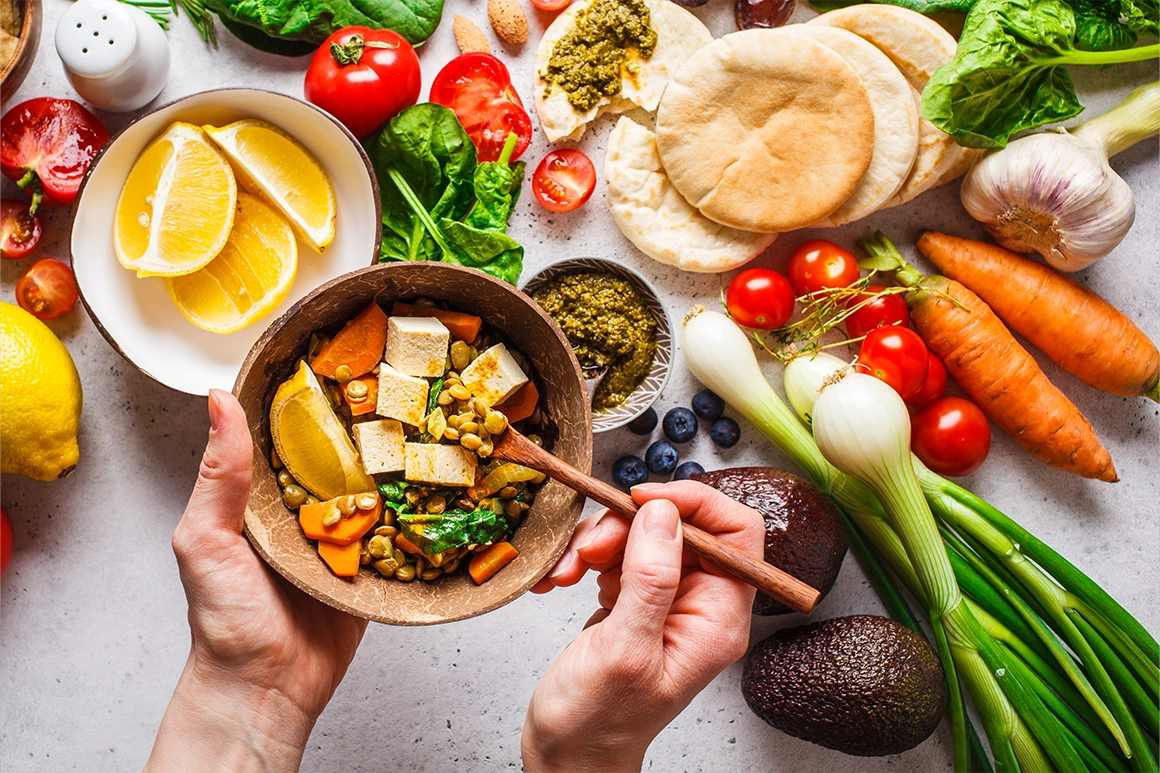
by Dr Virginia Pagés
1 of 1
- Alternate between cardio days and strength training days
- Cold plunge (ice bath) for muscle recovery
- Adding more protein to your diet, even if your aim isn’t to build muscle
- Intermittent fasting, supervised by a professional, for weight loss
- Creatine as an effective training supplement for women