Boost your immune system to get back to your daily routine
After the holidays, the immune system can be affected by changes to your routine, sleep patterns and diet.
The immune system is a complex network of natural defences that extends throughout the body. It is made up of cells, tissues and organs that work together to protect our health. These include the spleen, the tonsils and the bone marrow, as well as the skin – the body’s main defence barrier and its largest organ.
When this mechanism functions in a balanced way, it acts as a natural shield, protecting us against viruses, bacteria and cellular changes that could lead to illness. It is capable of detecting and eliminating these threats before they cause internal damage. Conversely, when it is out of balance, we become more vulnerable and are more likely to feel tired and depressed or to fall ill frequently – a condition known as "having low defences".
Returning to our routine after the holidays can be one of the causes of this imbalance. Changes to our timetables, sleep patterns and diet can prevent our defences from responding optimally. Therefore, knowing how to look after the immune system is key to coping with post-holiday stress with energy and a sense of well-being.
How does the immune system work?
The immune system activates when it detects antigens – that is, invading agents that the body does not recognise as its own.
This defence network consists of two subsystems that work in coordination:
Innate immune system
This is our body’s rapid, general defence mechanism. It provides immediate protection against the most common pathogens that enter the body. It is also known as the non-specific immune system and includes mechanisms such as the skin, tears, nasal mucus and the cough reflex, which help to prevent the entry and spread of microorganisms.
Adaptive immune system
This refers to acquired immunity, that is, the protection the body develops over time against certain pathogens. This system learns from previous infections and continually adapts to recognise and combat new viruses and bacteria more effectively.
Holidays can disrupt our immune system
Returning to our daily routine involves a number of changes that can take their toll on the body:
- Changes to our timetables that disrupt our biological rhythms.
- Increased stress and changes to our sleep patterns.
- Changes to our diet following summer’s overindulgence or irregular meals.
- Greater exposure to respiratory viruses due to returning to work and school and changes in temperature.
The body usually gives warning signs when it is out of balance. You may feel more tired, have less energy or catch colds and other minor infections more frequently. When these signs appear, it may be a good time to review your habits and help your immune system regain its balance.
Five habits to look after your immune system as you get back into a routine

Get back into a good sleep routine
1 of 5
Getting enough sleep helps your immune system to function properly. Try to stick to regular bedtimes and wake-up times, even on weekends.

Increase your intake of fruit and vegetables
2 of 5
These foods provide vitamins, minerals and antioxidants that are essential for the body, so it’s a good idea to include them daily as part of a balanced diet.

Exercise regularly
3 of 5
Moderate physical activity contributes to general well-being and the body’s balance. Whether it’s going to the gym, going for a walk, running or simply taking the stairs, the important thing is to stay active every day.

Learn to manage stress
4 of 5
Organisation, moments of relaxation and self-care help maintain physical and mental balance. Setting aside short periods to relax helps to better manage stress levels.
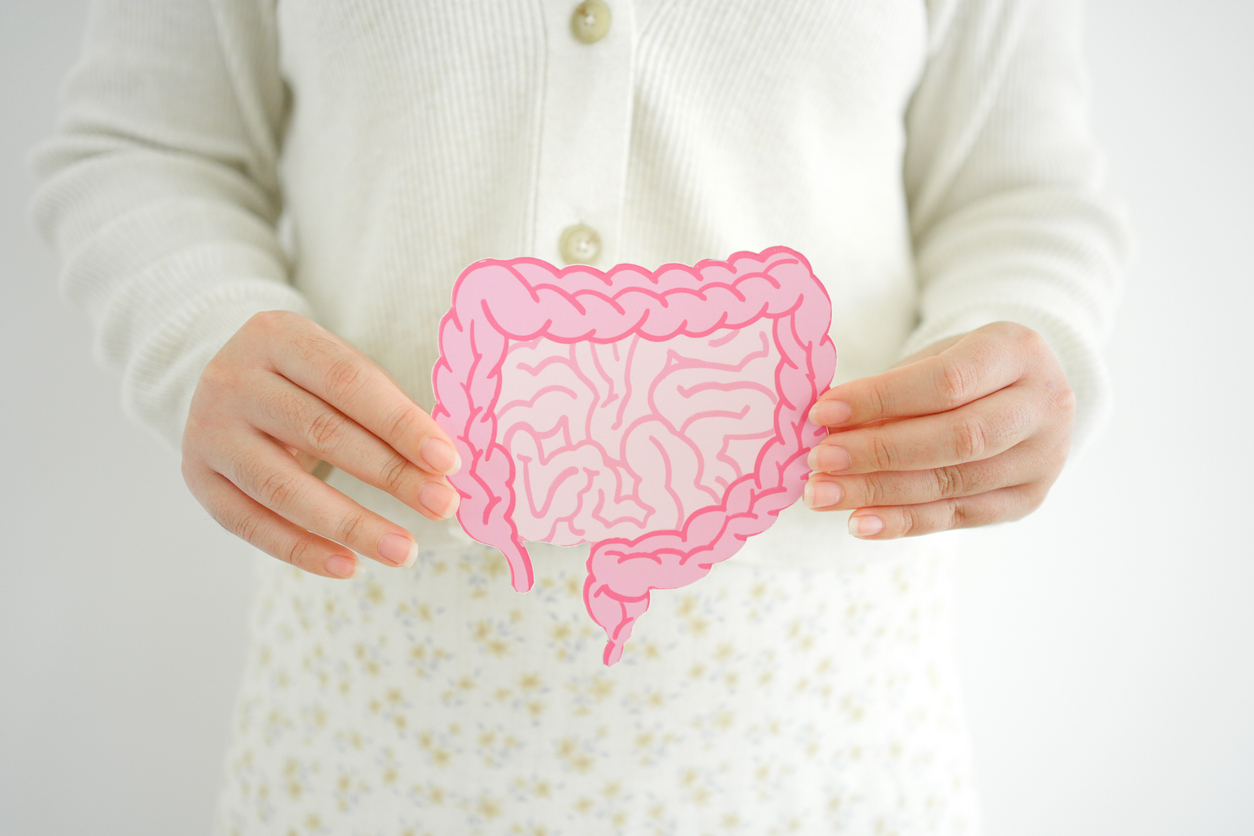
Look after your gut microbiota
5 of 5
Gut health is closely linked to the immune system. Maintaining a varied diet, rich in fibre and fermented foods such as kefir, sauerkraut or kimchi, helps to maintain the balance of the gut microbiota and, in doing so, strengthen the body’s defences.