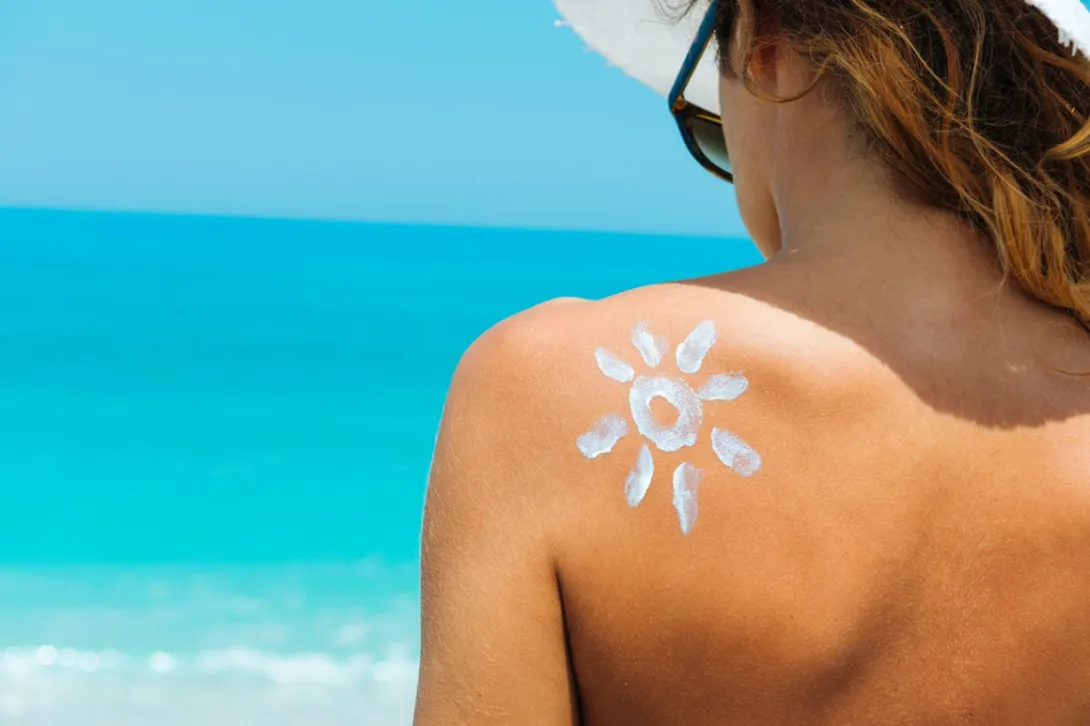
How often should we use suncream?
Although the use of suncream in summer is an unavoidable must, we don’t always apply it correctly or choose the most suitable one.
Every year, health professionals highlight the importance of using uncream to protect the skin from solar radiation and prevent future skin conditions. This is especially important during summer, when we expose more of our bodies to the sun, and dark spots, redness and sunburn may occur.
Although simply applying a suncream may seem enough, maintaining effective sun protection goes beyond that. It involves understanding the needs of your skin barrier, as well as knowing which suncream is the most suitable, how to read the label and how often it should be applied.
How does the sun affect your skin?
Most of the ultraviolet radiation absorbed by our skin comes from UVA rays and, to a lesser extent, UVB rays. Overexposure to these rays can cause short- and long-term skin damage. According to the Skin Cancer Foundation, their effects include:
Although UVA and UVB rays affect the skin in different ways, both can damage it if exposure is excessive and adequate protection is not used.
However, this does not mean that the sun should be avoided altogether. Sunlight is the body's main natural source of vitamin D, which is essential for good health. As long as you enjoy the sun sensibly and remember to use suncream, it is perfectly possible to spend time outdoors safely.
Learn how to choose the right suncream
There is a wide range of brands and products designed to protect the skin from the sun. With so many options available, choosing the most suitable one can be difficult, which is why understanding how to read the label is essential.
Below, you will find a guide to the basic concepts shown on suncream packaging and what each term means:
Before choosing any suncream, it is important to understand your skin's needs and consider the conditions to which it will be exposed.
So, how often should you apply suncream?
Experts recommend using suncream every day and throughout the year. During the winter, it is advisable to use suncream with an SPF of 30 or higher. In summer, however, you should choose one with SPF 50 or 50+.
This is also the recommendation of the Spanish Association Against Cancer, which emphasises the importance of reapplying suncream after every swim at the beach or in the swimming pool. It also reminds people that suncream lose their effectiveness over time and depending on how they are stored. Therefore, to ensure adequate protection, it is important to check the expiry date or, if this is not indicated on the packaging, avoid using the product more than three years after it has been opened.
Other recommendations for protecting your skin from the sun
Using suncream is one of the most effective ways to protect your skin from solar radiation, although on its own it is not usually enough. Experts at the Skin Cancer Foundation recommend combining suncream with other protective habits to reduce the harmful effects of sun exposure.
- Avoid sun exposure during the hours of highest UV radiation, between 12:00 pm and 5:00 pm.
- Apply suncream throughout the year to exposed skin, especially on the face.
- Wear protective items such as hats and sunglasses to help shield your skin and eyes.
- Seek shade to reduce exposure to solar radiation.
- Use lip balms with SPF to prevent your lips from drying out due to heat or wind.
- Drink water regularly to help prevent your skin from drying out and more vulnerable to the sun.
Taking care of your skin means knowing how to protect it and incorporating protective habits into your daily routine. Including suncream in your daily skincare routine is a simple and effective strategy for preventing cumulative sun damage. Ultimately, the difference between healthy skin and sun-damaged skin lies in the small protective habits you maintain over the years.