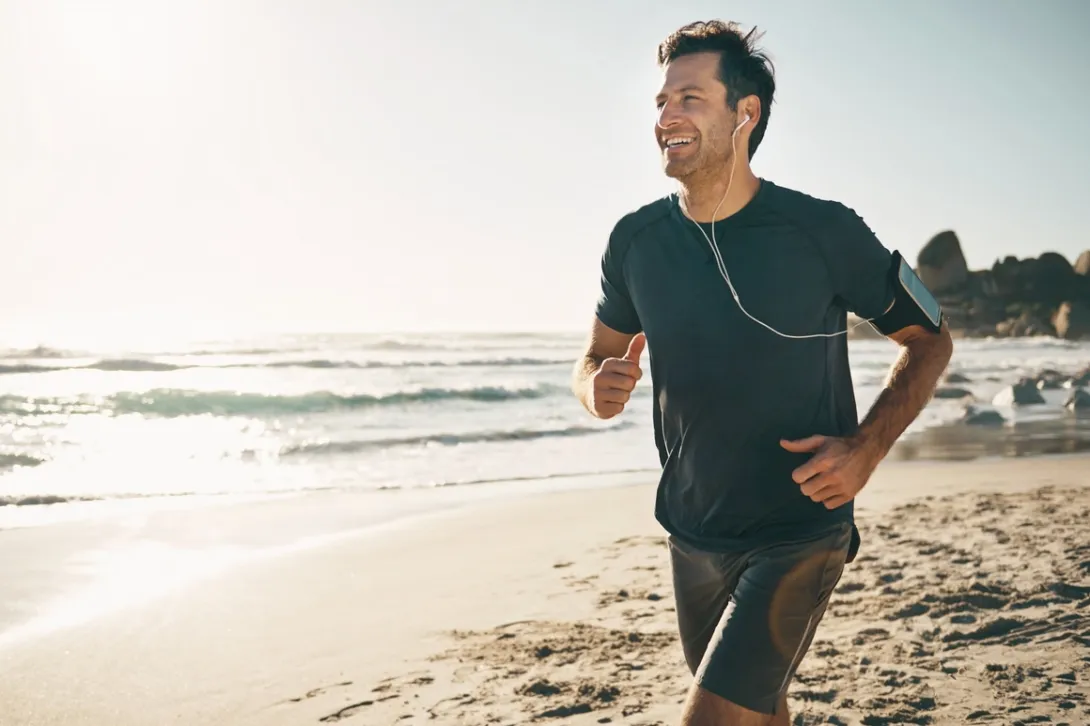
How to train outdoors in summer
High temperatures are not a reason to stop training during the summer, but to adapt your workouts to the heat. Find out how to do it safely.
Although summer is a time to break routines, relax and enjoy the sun and the water, there are habits that many people maintain even during the hottest days. One of them is physical exercise.
Exercising regularly helps maintain cardiovascular health, strengthen muscles, improve endurance and promote emotional well-being. However, when temperatures rise, it is common to wonder how to train in summer without putting your health at risk.
The good news is that continuing to exercise in hot weather safely is easier than it seems. All you need to do adapt your training to the environmental conditions and take a few precautions to continue enjoying all the benefits of physical activity.
The benefits of exercising in summer
Exercising in summer provides virtually the same benefits as exercising during the rest of the year. In addition, maintaining an active routine throughout the hottest months helps the body gradually adapt to the heat, which can improve performance and reduce the impact of high temperatures.
Some of its main benefits include:
- Strengthens cardiovascular and respiratory health.
- Helps maintain muscle mass, strength and mobility.
- Supports body weight management.
- Reduces stress and improves mood.
- Contributes to better sleep quality.
- Increases energy levels.
In addition, exercising in hot weather promotes the body's acclimatisation to high temperatures. This process involves a series of physiological adaptations that enable the body to respond more efficiently to physical effort in warm environments.
According to a study published by the American Physiological Society, these adaptations can improve athletic performance and reduce the impact of heat on the body. The main adaptations include:
Training in summer places greater demands on the body than exercising during the colder months. The body has to work harder to maintain a stable internal temperature. As a result, sweat production increases, leading to greater water and mineral loss.
For this reason, experts recommend drinking enough water both before and after training. It is advisable to drink between 150 and 200 millilitres of water every 15 to 20 minutes in small sips. This helps improve absorption while reducing digestive discomfort and the risk of developing a stitch. It also promotes muscle recovery and improves performance during exercise.
Why is dehydration dangerous?
In its mildest forms, dehydration can cause intense thirst, fatigue or headaches. If it worsens, it increases the risk of muscle cramps, heat exhaustion, dizziness and even heatstroke, a medical emergency that requires immediate attention.
What is the best time to train in summer?
The best time to train in summer is usually early in the morning or late in the afternoon, when the weather is cooler and sun exposure is lower. This allows the body to cope better with physical exertion while reducing the risk of dizziness or heat exhaustion.
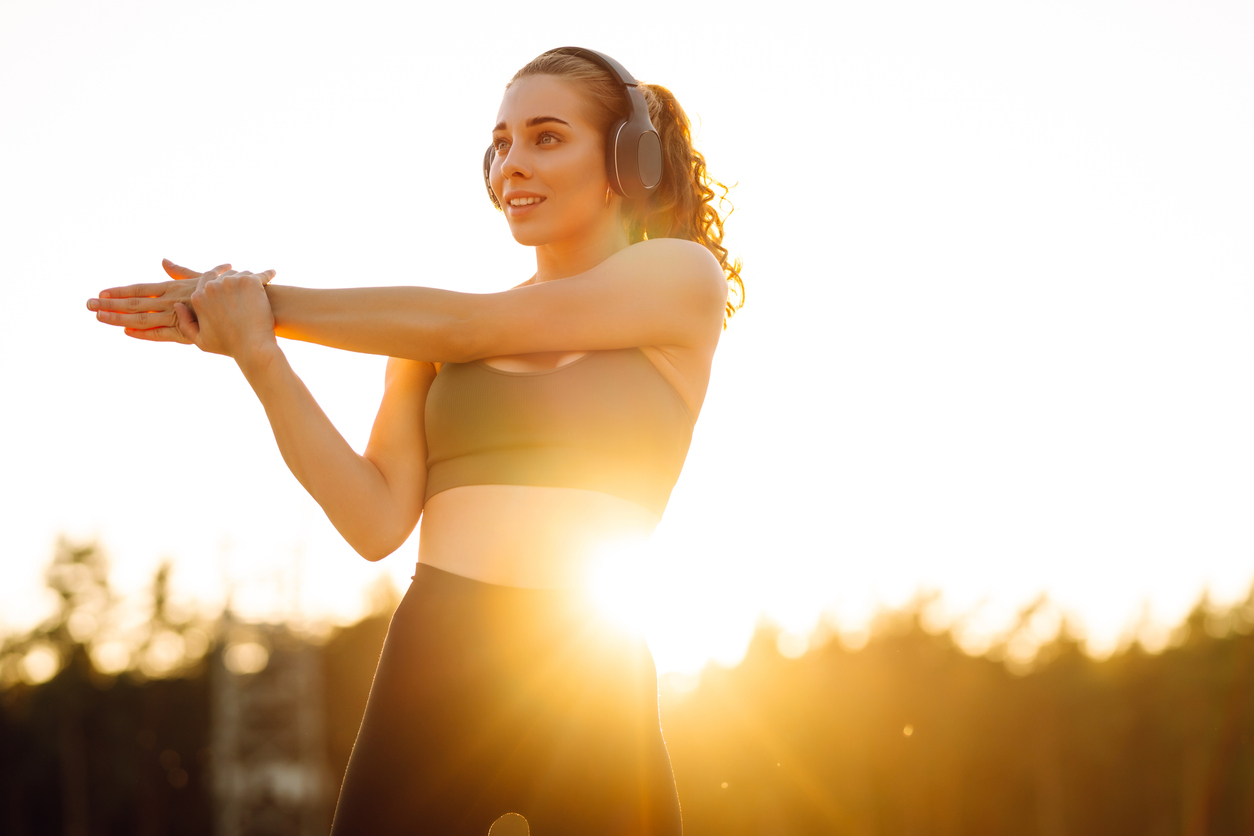
If you need to train during the hottest part of the day, it is advisable to reduce the intensity of your workout, take regular breaks in shaded or air-conditioned areas, and pay close attention to any warning signs.
Other tips for training safely in summer
There are other recommendations that can help you adapt your training to hot weather and minimise the risks associated with high temperatures. For example:
- Reduce your training intensity during particularly hot days or heatwaves.
- Wear lightweight, breathable clothing in light colours.
- Apply sunscreen when exercising outdoors.
- Choose routes with plenty of shade or train in air-conditioned indoor spaces.
- Adjust the duration and intensity of your workout according to the weather conditions.
- Stay well hydrated, eat a balanced diet and get enough rest to support muscle recovery.
During periods of extreme heat or a heatwave, it is important to postpone your workout or move it to an indoor space with a suitable temperature. Training in summer means adapting your physical activity to the environmental conditions, but above all enjoying the many benefits of exercise.