Microbreaks: What does science say?
Science supports some methods designed to sustain concentration, take care of the back and slow down the wear and tear of a day spent sitting in front of the screen.
Maintaining a high level of concentration for several hours is one of the major challenges for professionals, especially in technological, operational and administrative fields. Resolving complex incidents or managing processes requires sustained mental and visual effort which, if poorly managed, leads to fatigue and loss of effectiveness.
In neurological terms, studies suggest that maximum concentration can only be sustained for between 45 and 90 minutes; after that time, mental efficiency drops dramatically. In addition, productivity depends less on the hours spent on a task than on making the most of the moments when energy and focus are at their highest.
As for a sedentary lifestyle, its effects go beyond tiredness: it is associated with cardiovascular diseases, insulin resistance and muscle and joint problems. A study by the University of California found that sitting for more than 11 hours a day increases the risk of dying by 57%, compared with those who sit for less than 9.5 hours.
Resting without sleeping
Any brief activity that breaks the physical or mental monotony of the day, from stretching to making a cup of tea or listening to a song, is a window that allows the body to rest. The usual range is between 30 and 180 seconds.
Its effect has a physiological explanation related to cortisol, which today spikes in response to stressful situations that are not literally so for the body. Microbreaks reduce this allostatic load, as they prevent the sustained activation of the stress system. By reducing this continuous threat signal, the proper functioning of the immune and endocrine systems is protected.
This technique was documented in the late 1980s in research by the National Institute for Occupational Safety and Health (Ohio) and Purdue University (Indiana), which even then observed a greater sense of calm and fewer corrections in the work that operators subsequently carried out.
Even with this evidence, up to now the most widespread use of the technique has been the prevention of injuries in offices. As Felicity Callard, professor at the University of Durham, recalls in an interview with the BBC: “Rest is not a natural state, it is a subjective relationship that each individual establishes with the concept of relaxation”.
Does science support breaks?
A systematic review published in the journal PLoS ONE concludes that microbreaks significantly increase vigour and reduce fatigue; their impact on performance is more modest, but they clearly reinforce subjective wellbeing. Another analysis, by Cogent Engineering, focused on sedentary workers and supported active microbreaks, stating that between 2 and 3 minutes of light exercise every half hour improve physical and mental health without harming productivity.
That said, it is advisable not to confuse a microbreak with real rest. Their function is to reduce unnecessary activation which, if maintained, ends up affecting the perception of one’s own health and, objectively, the immune system.
What to do during a microbreak?

Eyesight
1 of 7
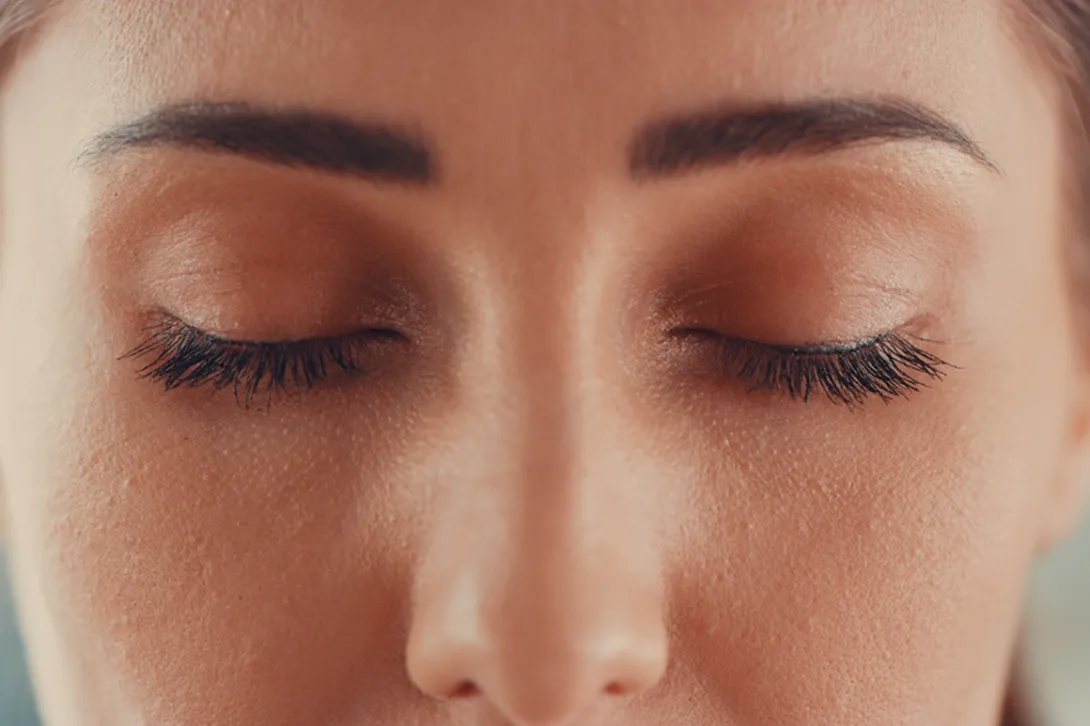
Apply the 20-20-20 rule: every 20 minutes, look away from the screen and focus for 20 seconds on a point about 6 metres away, to relax the ciliary muscles and prevent eye strain.
Neck
2 of 7
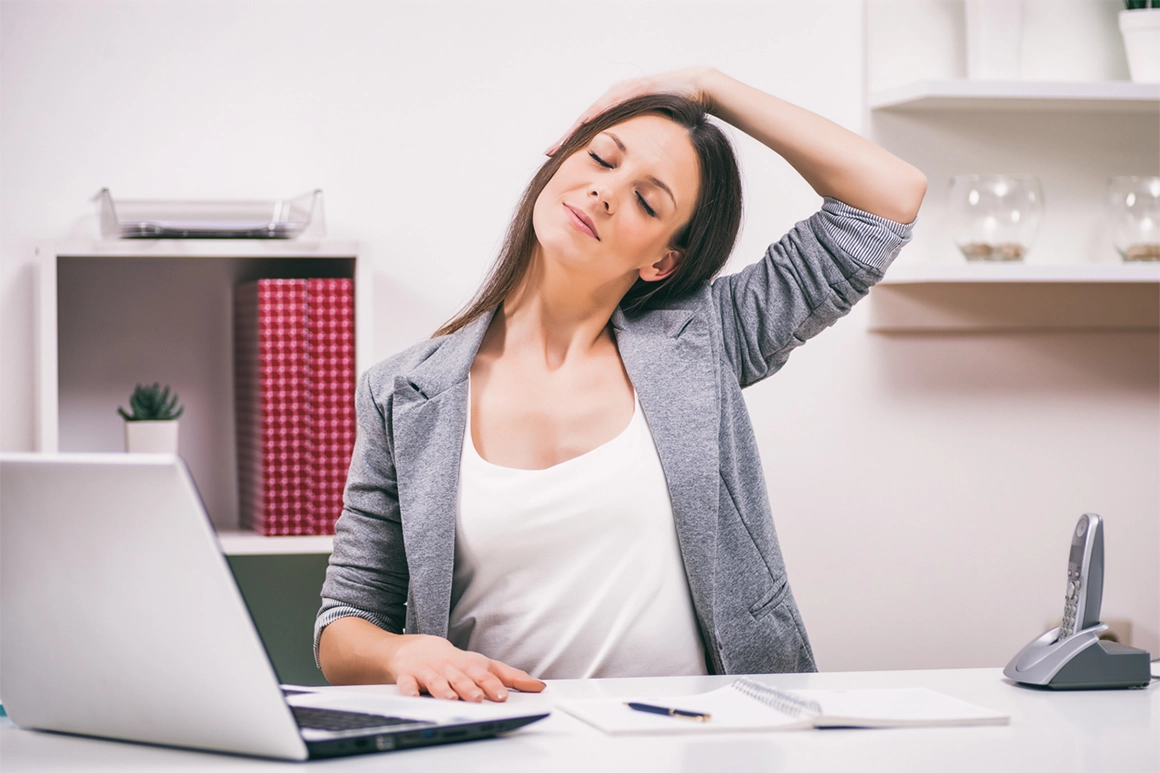
Every hour, perform a slow neck rotation, from side to side and from top to bottom, to release the tension accumulated from looking at the screen.
Shoulders
3 of 7
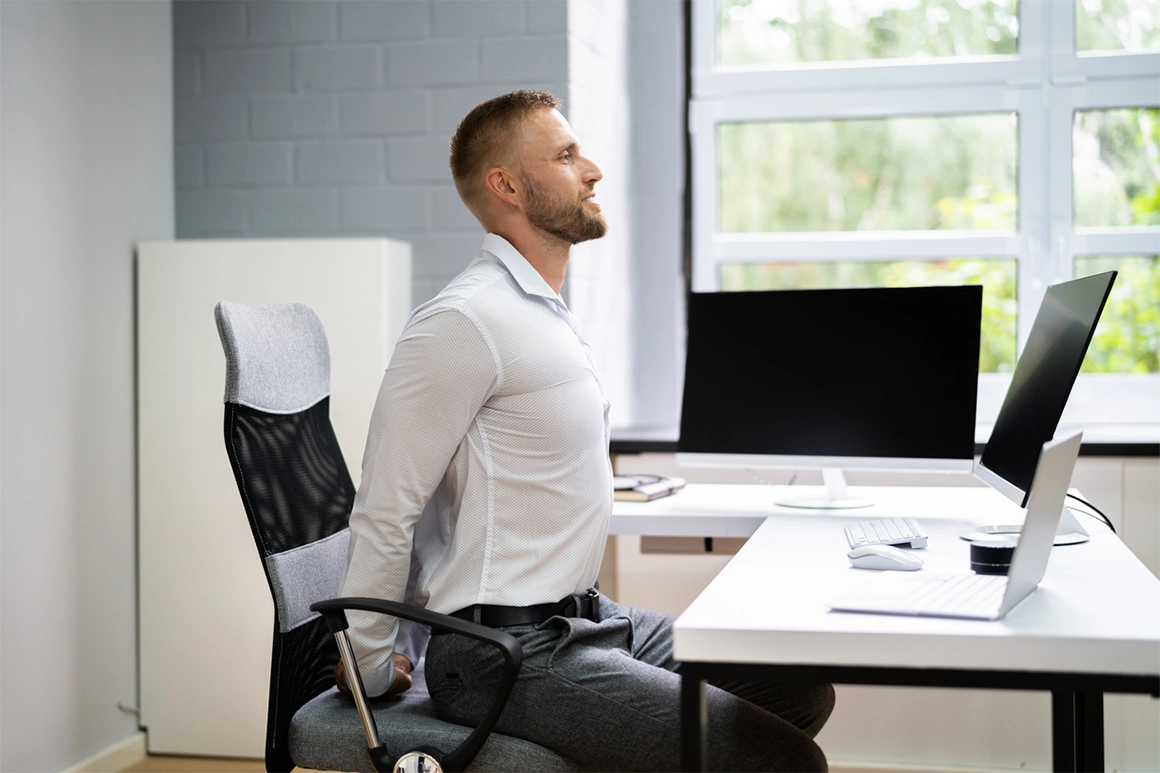
Interlace your hands behind your back and stretch your arms backwards in a chest-opening movement, thus counteracting the typical hunched posture in front of the keyboard.
Back
4 of 7
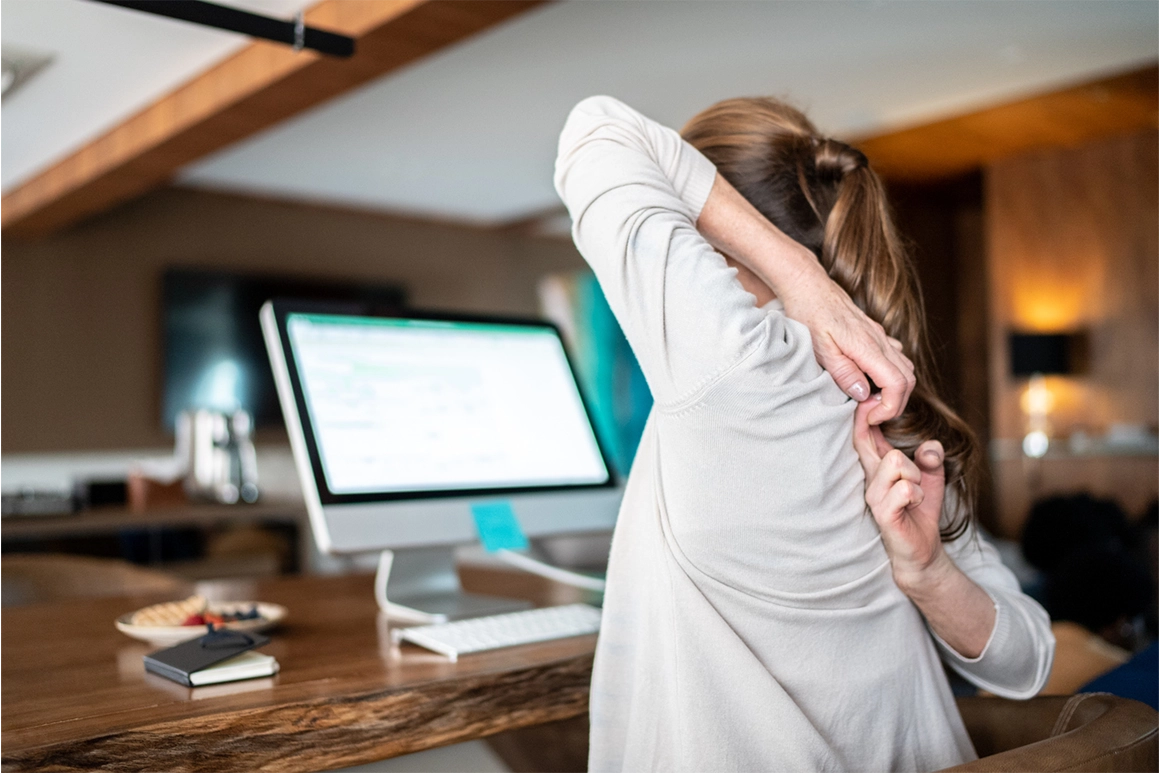
Combine opening the chest with a brief backward arch in the chair to reverse the curvature adopted when writing for hours.
Lower back
5 of 7
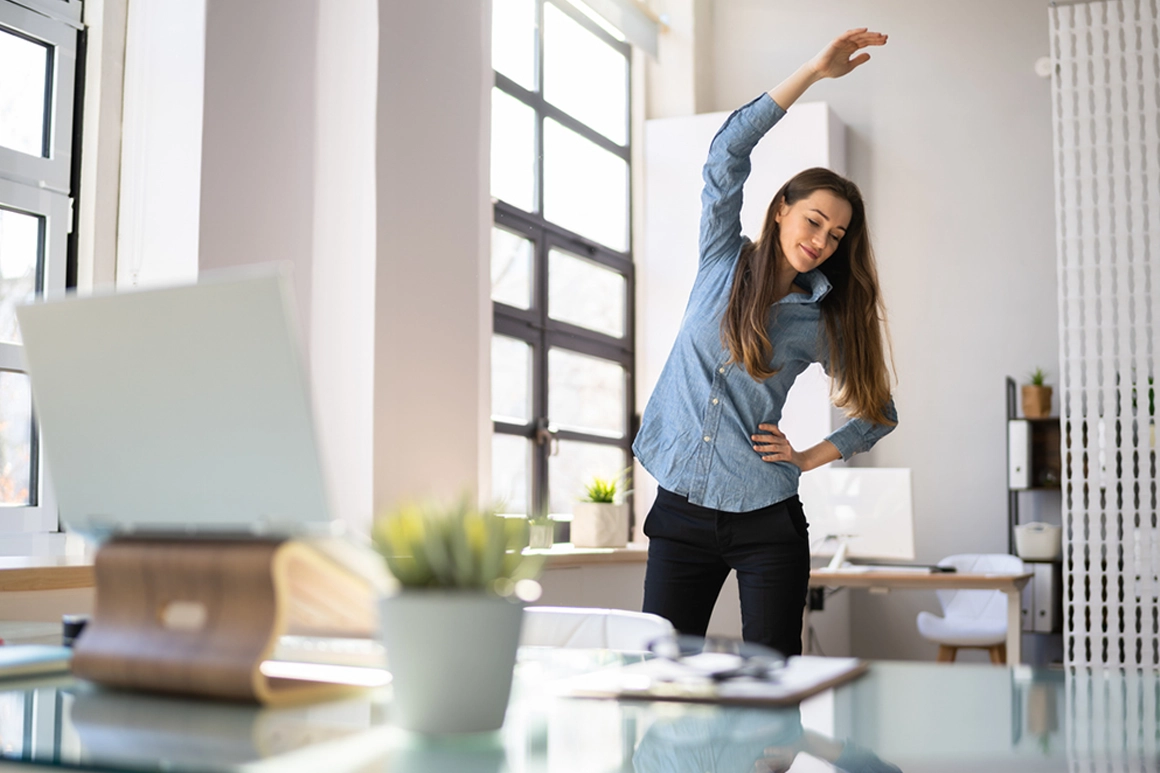
Stand up every 60–90 minutes and do a gentle stretch to the sides or backwards to release the pressure accumulated in the lower part of the back.
Hips
6 of 7
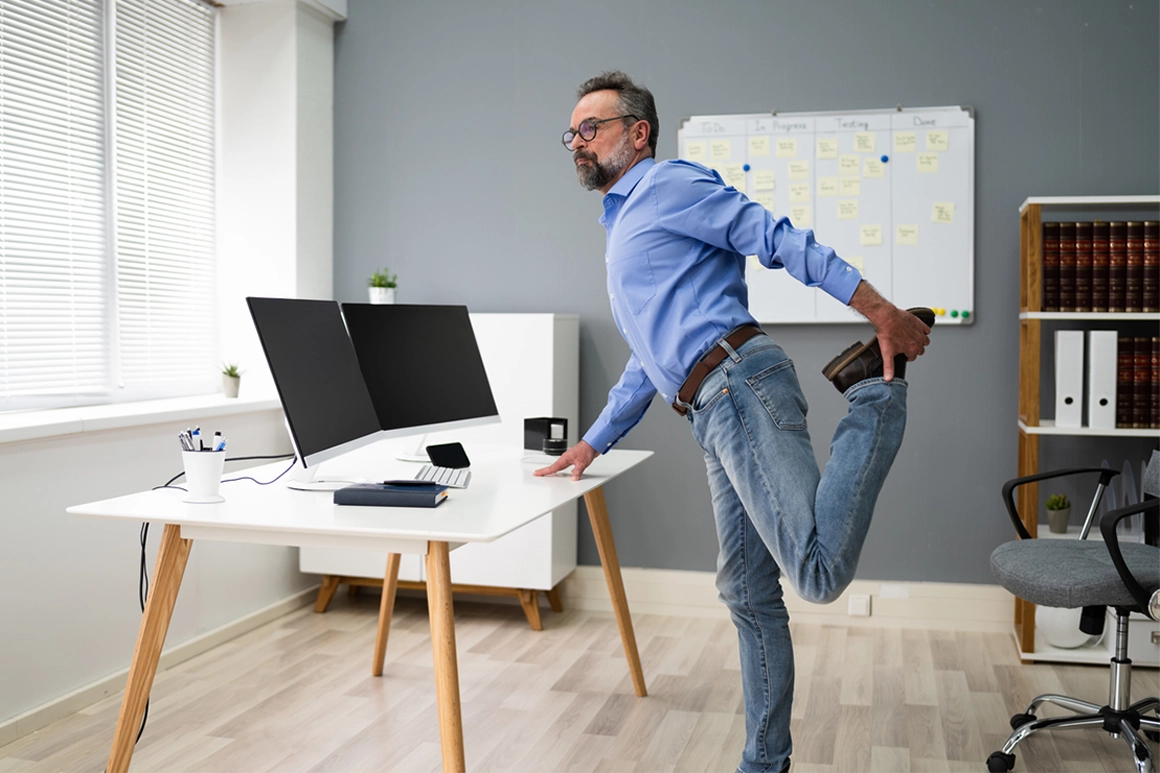
Use that same standing break to do some hip rotations, as sitting for long periods limits their natural mobility.

Legs
7 of 7
Take a short walk or move your ankles when you get up, especially useful if you spend a lot of time using a computer mouse, to reactivate circulation in the lower limbs.