Antonio Flores & Jeff Buckley a dialogue at the In-Edit
The In-Edit Festival, held at the end of 2025, brought together the premieres of two documentary that give the family testimony of two legends who were not sufficiently lucky to live long enough to see their own significance.
In the same way that in Spain it is difficult to not remember the Flores family when we think of the country’s folklore, in the United States, it is difficult to not recall the Buckleys – father and son, as musical emblems of alternative rock.
In the tributes, Isaki La Cuesta and Elena Molina have worked meticulously on Flores para Antonio (Flowers for Antonio), and Amy Berg has done the same in It’s Never Over, Jeff Buckley – both broadcasted at the Barcelona In-Edit Festival at the end of 2025 and that are now available on streaming platforms, we discover a dialogue that is virtually invisible about two artists full of sensitivity who, relatively speaking, shared a very similar view of music and of the world.
A ‘collage’ of flowers for Antonio
Antonio González Flores was born in Madrid on the 14th of November, 1961, in the heart of a family of artistes venerated throughout the country. Son of the guitarist Antonio González Batista (El Pescaílla) and the actress and singer Lola Flores, he recorded his first record, Antonio, when he was just 19 years old. Although he received an avalanche of criticism due to his privileged position, his first song was the one that would be covered most: No dudaría (I wouldn’t hesitate).
The musical career of the middle child in the Flores family always marked by his strong attraction towards experimentation – from flamenco rock to blues and singer- songwriters, passed by unnoticed until he brought out De Ley, the debut album by his sister Rosario, which he had mainly composed. When his own music became reasonably famous, with his last album, Cosas Mías, possibly his most introspective and personal work, Antonio had (once again) become submerged in the world of drugs.
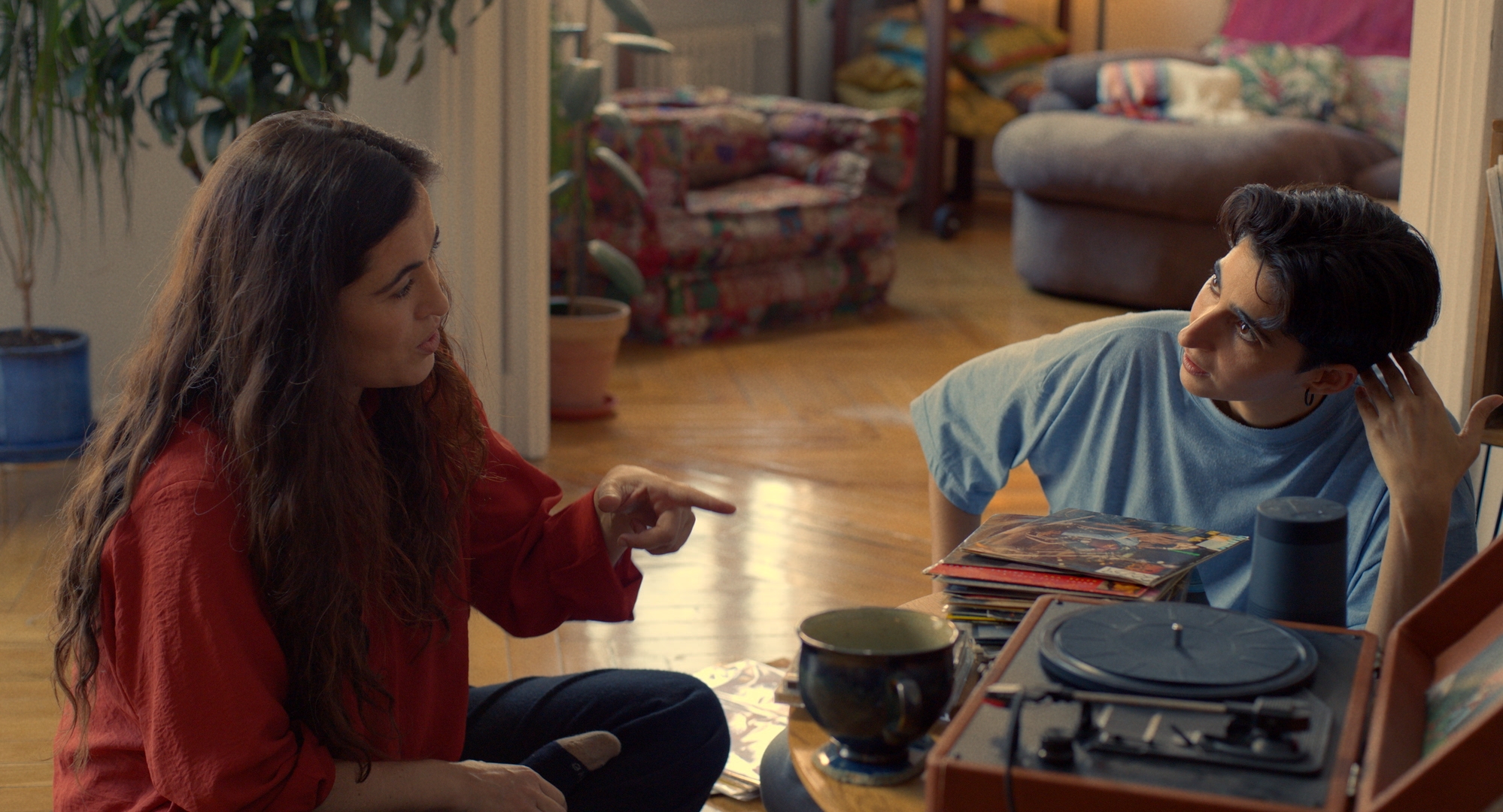
The last months of his life narrowed down to a space where not many certainties fit, a hole that now his daughter, Alba, has tried to fill with anecdotes and thoughts of his nearest and dearest in the documentary that premiered at the end of last year. “I was quite angry with him when he died,” Alba tells her mother, Ana Villa, while they discover the material accumulated in some boxes of mementoes that they had not dared to open before.
Beyond the nostalgic testimonies of his closest circle, marked by the voices of his sisters Lolita and Rosario, who encourage Alba to ask “what you never dared to ask,” the healing intention that surrounds this entire project is what ends up drawing a collage of a character much deeper and more interesting, which had remained hidden after the tragic narration of his death in 1995.
Jeff Buckley before ‘Grace’
Just as Alba Flores did with the song that bears her name in Cosas mías, Jeffrey Scott Buckley (17th of November, 1966) also had to hold onto the words of a song that his father, Tim Buckley, dedicated to him when he was just a child –I Never Asked to Be Your Mountain–, to process the grief of his absence and tragic death (also due to an overdose) at the age of 28 years.
But it was thanks to this song, back in 1991, which he covered in a tribute concert to Tim alongside some musicians from the New York downtown scene, which allowed him to start frequenting the stages of the Sin-é Café. There, he also stood out for his many cover versions of Edith Piaf, Nina Simone or Bob Dylan, and his special admiration for Nusrat Fateh Ali Khan or Led Zeppelin, with which he showed an incredible range – both vocally and regarding different genres which – regretfully, were the spitting image of his father. There, he would also show the world for the first time his version of Hallelujah by Leonard Cohen, the artist’s most popular song and which, in 1994, he would add in his first and only album, Grace.
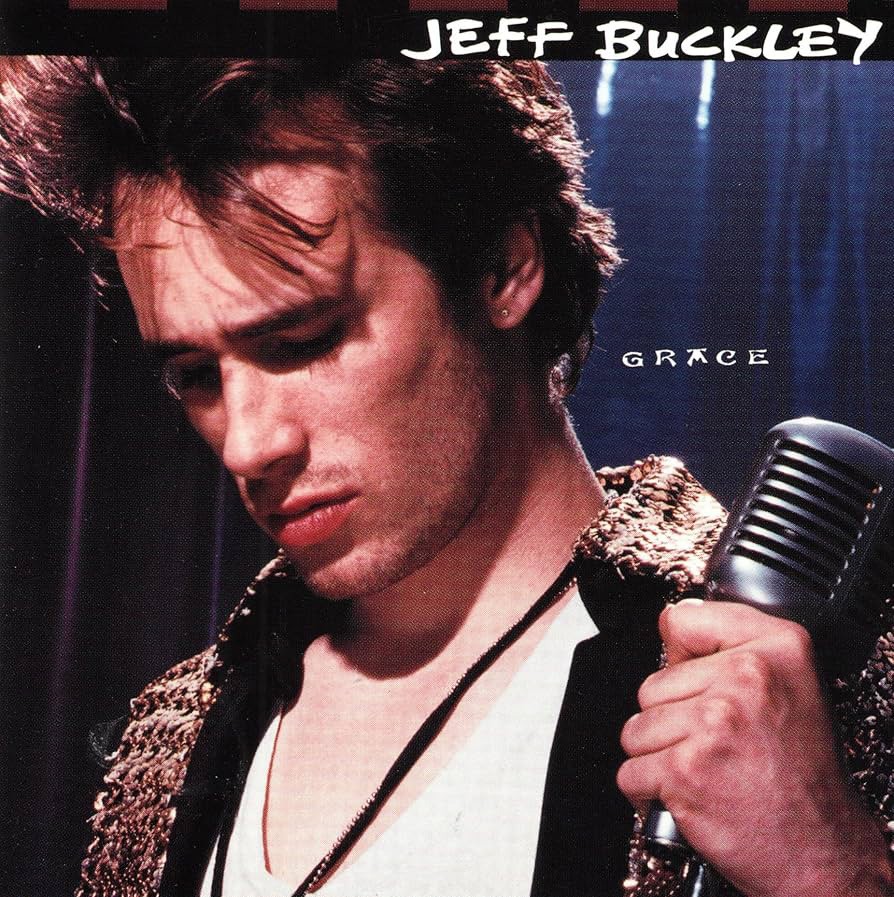
Since the mythification of this debut, which would reach the Billboard 200 after his accidental death in 1977 and which is considered to be one of the best albums of all times, the figure of Jeff has been worthy of mention for decades. His short, intense career has been taken to the cinema three times, although nothing gets close to the long wait – fifteen years - for the director, Amy Berg, to bring together the three main women in his life: his mother, Mary Guibert and his two loves, Rebecca Moore and Joan Wasser, for them to tell Jeff’s story from their personal points of view.
Therefore, the documentary has arisen as a long-awaited tribute that bears witness to Buckley’s early interest in music, which, according to his mother, could go back to his cradle, when she heard him trying to harmonise with the radio. In spite of fact that the story of this artist is inevitably marked by tragedy, this documentary also manages to make us stop thinking for a few seconds about the what could have been to see what really was: a moral and artistic reference, an organic sound that musicalised vulnerability compared to the grunge that had overloaded the previous decade.