From Puerto Rico to the world: understanding the global domination of Reggaeton
Bad Bunny's historic triumph at the last Grammy Awards and his performance at the Super Bowl crystallize the rise of reggaeton as the great musical.
Benito Antonio Martínez Ocasio says that exporting reggaeton beyond the borders of Spanish-speaking territories has turned Latin culture (and, specifically, Puerto Rican), with its imaginary and its specific codes, into universal culture. Well, actually, what he says is "I don't sing reggae, but I'm culture / From Borinquen, PR, perfect archipelago / All around the world they already know my dialect", and he says it under the stage name of Bad Bunny, the greatest representative of this new generation of Latin artists who is disrupting the limits of pop. But, ultimately, the message is more or less the same.
Although he has been successful for a decade, this last year has been particularly fertile for the Puerto Rican singer: he released his sixth studio album, DeBÍ TiRAR MáS FOToS (I Should Have Taken More Pictures), which received excellent reviews and reached number one on the sales charts in the United States, Spain, Holland, Switzerland and France, among other countries.
That same album boosted his international stadium tour in which he is currently immersed (12 dates just in Spain, and all of them were sold out), he won Album of the Year at the 26th Latin Grammys and received the same prize at the 68th edition of the Grammys, becoming the first Spanish-language project to be recognized with this award.
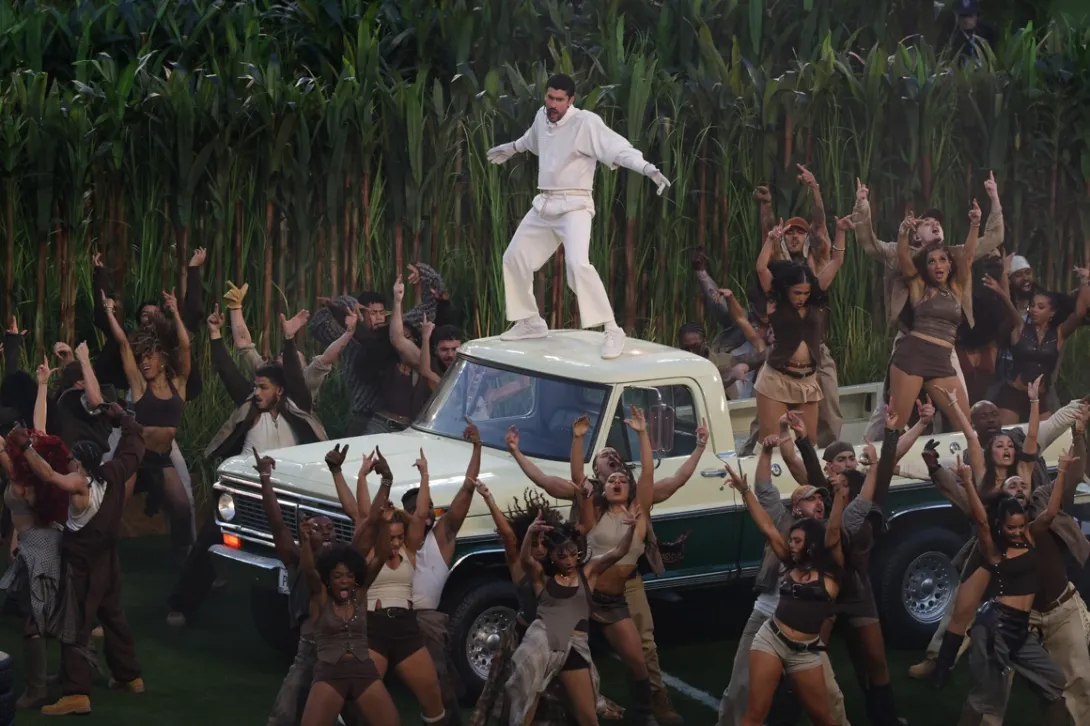
Furthermore, he starred in the Halftime Show of the last Super Bowl (the fourth most watched in history): fifteen minutes that enabled him to review his greatest hits (of which there are quite a few), throw jabs at Donald Trump's immigration policy and confirm him, in case anyone still had any doubts, as one of the greatest stars of our times.
We wouldn’t want to belittle Bad Bunny's merit, of course, but, actually, this lap of honour doesn't just belong to him. This bad rabbit had the skills required to become its main representative – extensive knowledge of the tradition of the genre, overflowing charisma, innate freshness and a particularly engaging project – but the reggaeton phenomenon had already gained a lot of momentum. To understand where it is headed, however, our best bet is to examine where it came from.
The Mestizo generation
As often happens with artistic expressions that started on the streets, it is difficult to draw a neat line marking the birth of reggaeton, but its origins can be located, with broad consensus, in the Caribbean during the 90s. That was the birthplace of a hybrid sound that merged Jamaican dancehall (specifically, the revolutionary dembow rhythm), reggae in Spanish that was made in Panama and the Puerto Rican rap scene (which in turn drew directly from American hip hop, especially the New York scene).
It was the many migrations between territories and cultural exchanges that led to the development of this genre, although it ended up taking shape on the Borinquen island. Above all, due to the lack of resources and a professionalized music industry, through homemade and clandestine tapes (the famous playeros) that gathered songs by various artists, selected by key figures such as DJ Bass, DJ Nelson or the legendary producer Playero. At that time, reggaeton was known as melaza (molasses) or underground, since, from its very inception, it was a genre built on mixtures and margins.
Start the engines
The rhymes of big names such as Héctor "el Father" & Tito, Wisin & Yandel or Nicky Jam were already playing in those playeros, but it was not until the beginning of the new millennium that an authentic reggaeton scene was assembled and its musical identity was established.
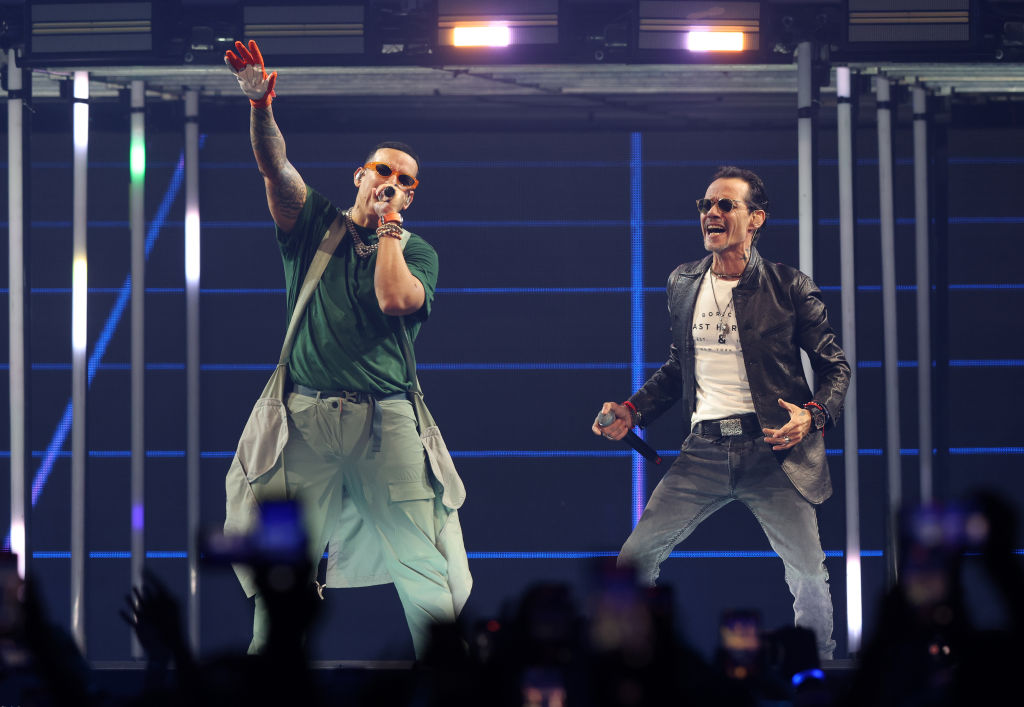
In the following five years, classics such as Mundo Frío (Lito y Polaco, 2002), El Abayarde (Tego Calderón, 2002) or The Last Don (Don Omar, 2003) would be published, but they all were dwarfed by Barrio Fino de Daddy Yankee, whose superhit theme Gasolina was a catalyst triggering the international explosion of reggaeton in 2004. After that watershed moment, it ceased to be a niche sound, spread throughout Latin America and, to a lesser extent, penetrated Western markets.
One step forward, one step back
Towards the end of the decade, early reggaeton began to lose popularity and be replaced by formulas such as electrolatino, while, at the beginning of the 2010s, a new, more melodic school appeared in Colombia with more of a pop feel, led by artists such as Kevin Roldán, J Balvin, Maluma or Karol G. It was this urban pop, which audiences around the globe found more palatable, that was particularly contagious and began to colour the productions of Latin artists who had, until then, had little to do with reggaeton, such as Shakira or Luis Fonsi.
At the same time, the rise of trap, which was growing steadily in the United States, ended up reaching the Latin record industry as well. Here well-known names such as Jowell & Randy, Arcángel or Ñengo Flow joined them, and then others such as Duki, Anuel AA and, of course, Bad Bunny stood out.
Benito began his career with low-key and dark themes, rapping mercilessly, but, as he gained more fans and the time came to release his first album, he seemed interested in trying different things, in exploring, in transforming. Then he deployed his "new religion": a reggaeton that reconnected with the same roots of fusion, of cultural mixing, and covered, unpredictably and magnetically, a broad range of sound palettes, without ever losing its essence. And the rest, as they say, is history.
Feminist and experimental reggaeton
The critics of reggaeton have always justified their hatred with two arguments: that it is a simple music form, and that its lyrics are loaded with male chauvinism, but nowadays it is not so easy to defend that position. In recent years, reggaeton made by women artists has undergone a real revolution with figures such as Emilia, Natti Natasha, María Becerra or Young Miko, and they are not afraid to preach independence and empowerment.
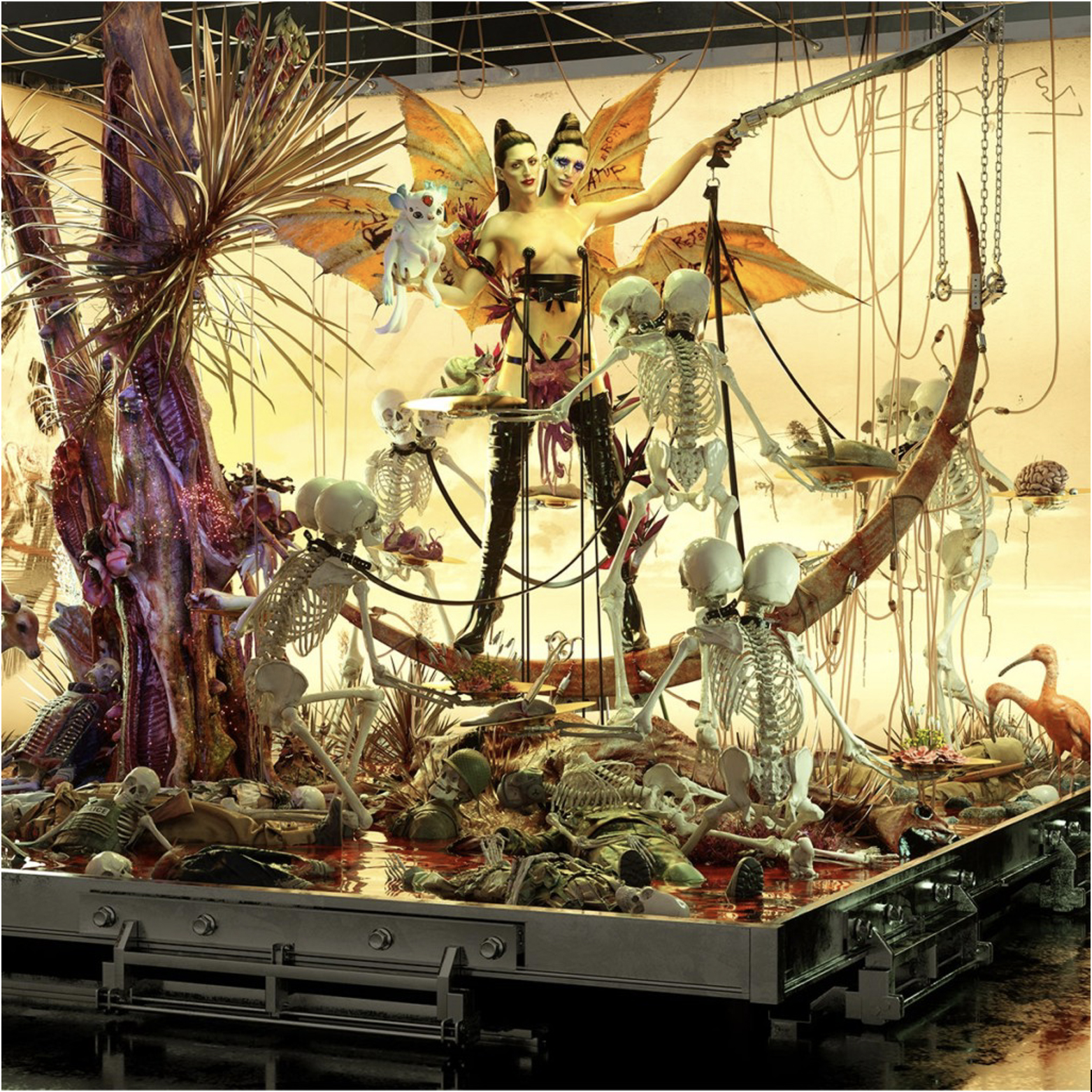
For their part, other women such as AKRIILA, Ms Nina, La Goony Chonga or Arca extend, deform, blur and rewrite reggaeton as much as they want, experimenting with the genre like never before, and turning it into an addictive game.