Tokenised art: the future of collecting?
The new model of digital art buying and selling allows the acquisition of classic and modern works at affordable prices with shared ownership.
For decades, artistic works have been considered a safe-haven asset, that is, a way to protect and stabilise wealth. Art offers high expectations of appreciation and remains stable during periods of high economic and financial volatility.
However, for decades, the buying and selling of high-value paintings has been reserved for the wealthy and specialised investors with significant capital. But what if owning a Pablo Picasso or Andy Warhol were now more accessible than ever? In 2021, tokenised art emerged, a digital way to acquire works in co-ownership that has changed the rules of the art sector.
How tokenised art works
The new model allows artists to replicate their paintings in digital format and divide them into a set number of NFTs, known as tokens. These are stored on the blockchain and traded on specialised platforms. Each token sold represents a share of ownership of the artwork, allowing multiple users to share possession of the same piece.
Accessing this market is relatively straightforward. The only requirement is to have a digital wallet and cryptocurrencies. From there, the user can access specialised platforms where tokenised works are traded. These platforms indicate the type of sale, that is, whether it is sold at a fixed price or via a timed auction.
When acquiring a token, users also obtain a fraction of the work. This can be stored, displayed in virtual galleries, or resold on the market. Some of the most famous creations on the blockchain are The Merge and Everydays: The First 5000 Days. Additionally, institutions and museums are issuing and selling tokens of classic works, such as The Kiss by Gustav Klimt.
A new way to acquire art
The crypto art system is democratising the art market, as it allows access to the international market with less capital and enables users to become co-owners of different artworks. For artists, it is an opportunity to raise funds for future creations while retaining physical ownership.
However, interest in tokenised art is not purely technological or artistic. Some financial institutions have noted that this model reduces certain intermediary costs, such as those associated with auction houses. Additionally, blockchain technology creates a record of ownership and prices, providing greater transparency for interested collectors and investors.
Where is the future of art collecting headed?
The greatest appeal of an artwork for a collector is its contemplation and display in physical format. However, tokenisation offers other opportunities to acquire paintings in the digital era: it allows the purchase of fractions of works, virtual exhibition, and, in some cases, provides co-owners with exclusive benefits.
So, is the future of collecting tokenised art? There are aspects that the digital environment cannot match, such as the satisfaction of acquiring a unique painting exclusively. Therefore, blockchain technology may not fully replace traditional collecting, although it is redefining its rules and the future of fine arts.
4 tokenised classical artworks
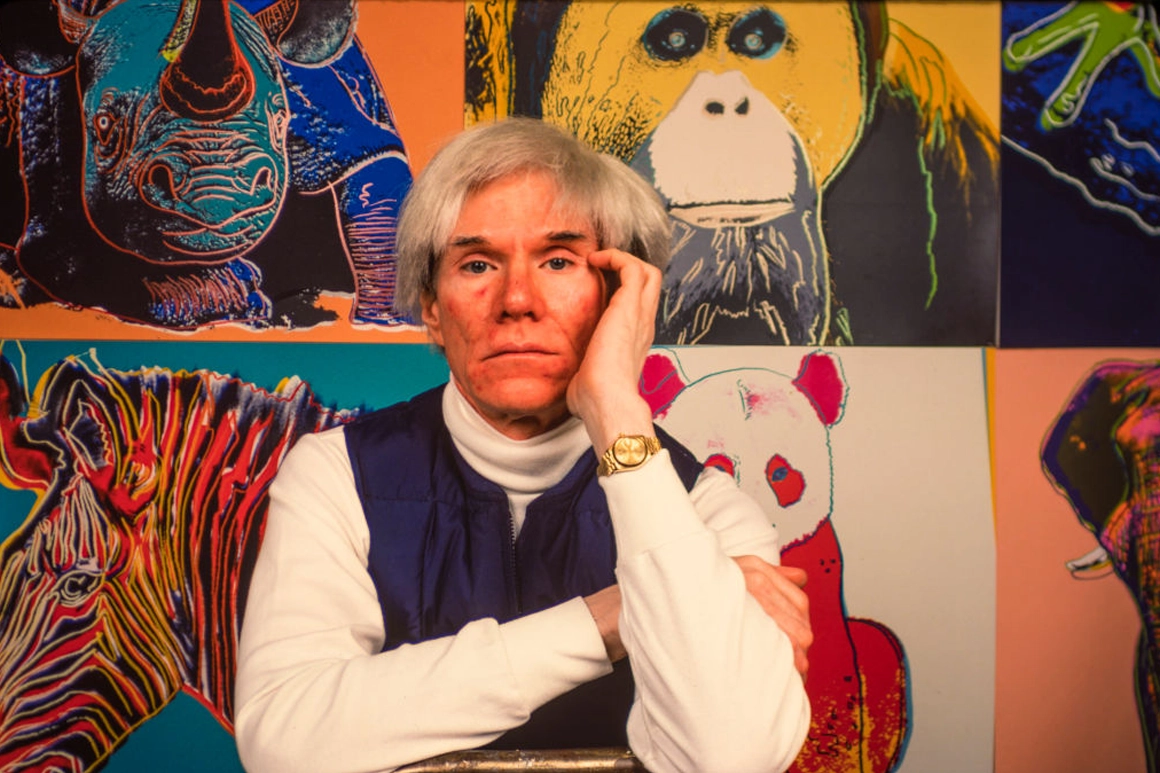
“14 Small Electric Chairs” by Andy Warhol
1 of 4
The painting by Andy Warhol, valued at 5.6 million dollars, experienced several failed sales attempts in the traditional market, but found a new path in the digital environment. In 2018, the platform Maecenas tokenised it and auctioned it via the blockchain, making it the first in the crypto art market. In total, 1.78 million dollars were raised, and over 800 bidders registered for the auction.
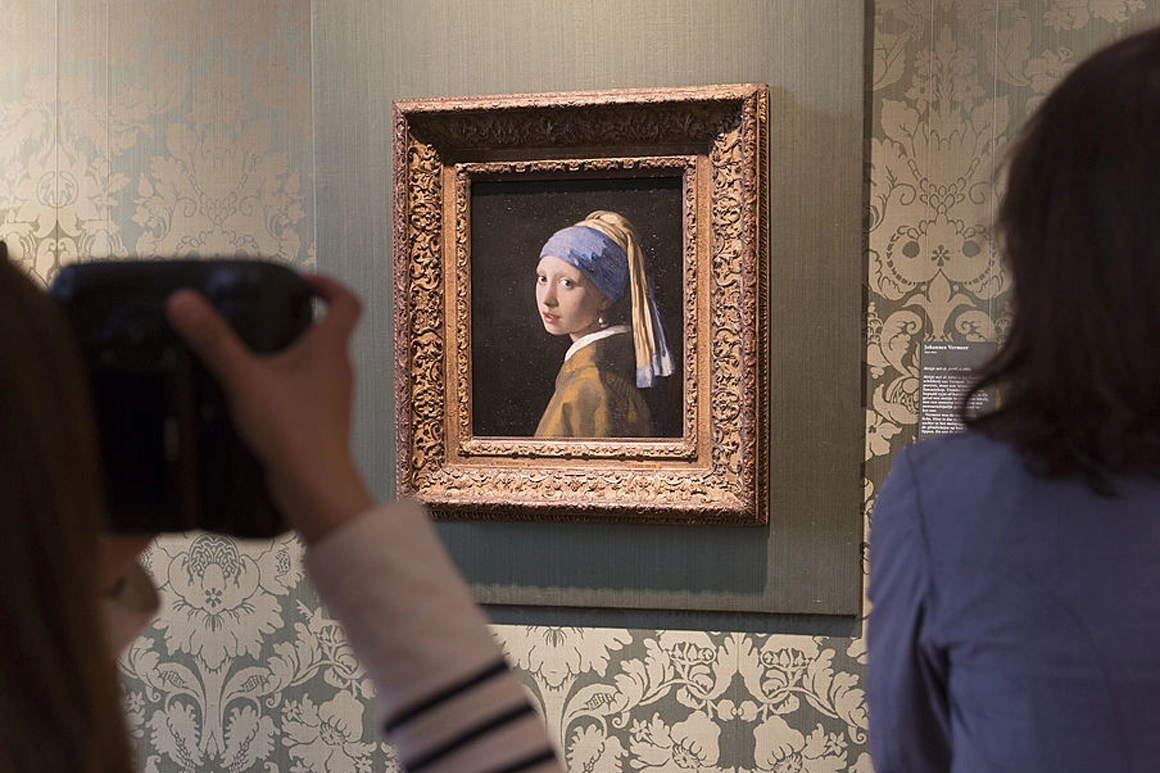
“The Girl with a Pearl Earring” by Johannes Vermeer
2 of 4
In 2024, two versions of Vermeer’s famous painting were launched on the blockchain. The first was an original 3D replica of The Girl with a Pearl Earring with a total of 250 tokens available. The second was a limited and exclusive version with only 13 tokens, accompanied by a museum-quality print of the artwork.
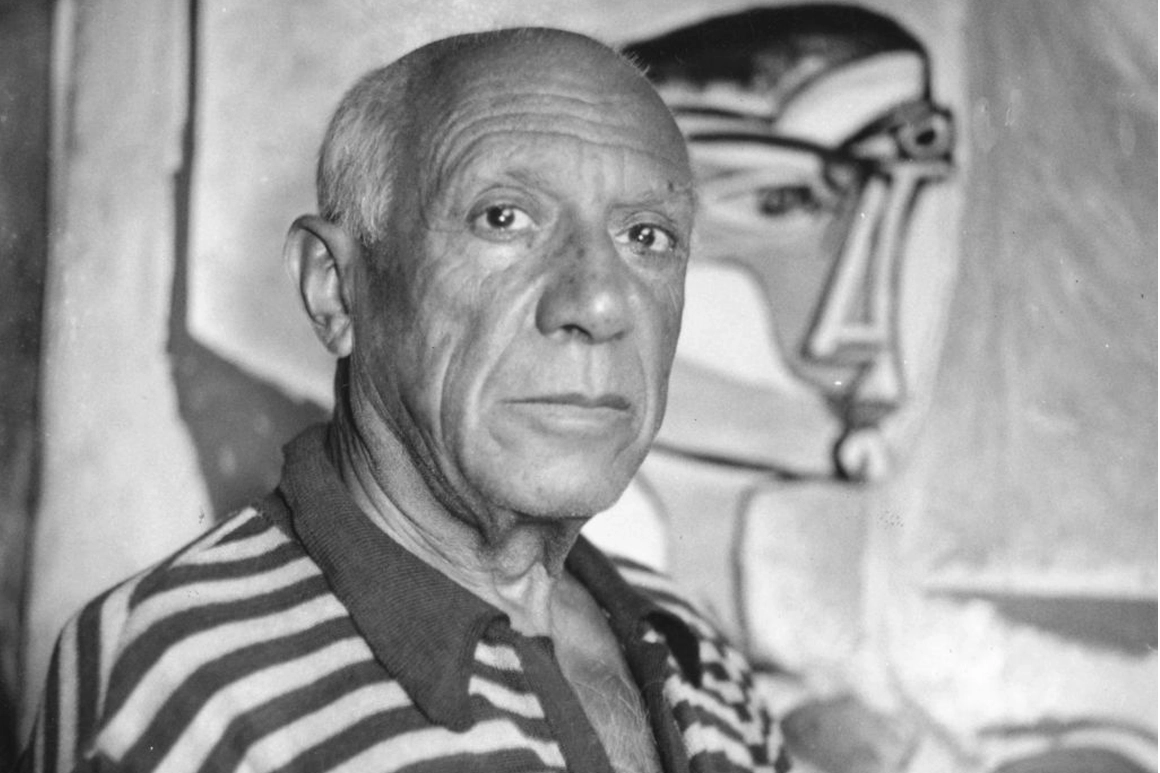
“Fillette au Béret” by Pablo Picasso
3 of 4
Fillette au Béret has become the first tokenised artwork by Pablo Picasso. Its launch on the blockchain in 2022 democratised access to the work and opened the possibility of acquiring a share for 6,000 dollars.
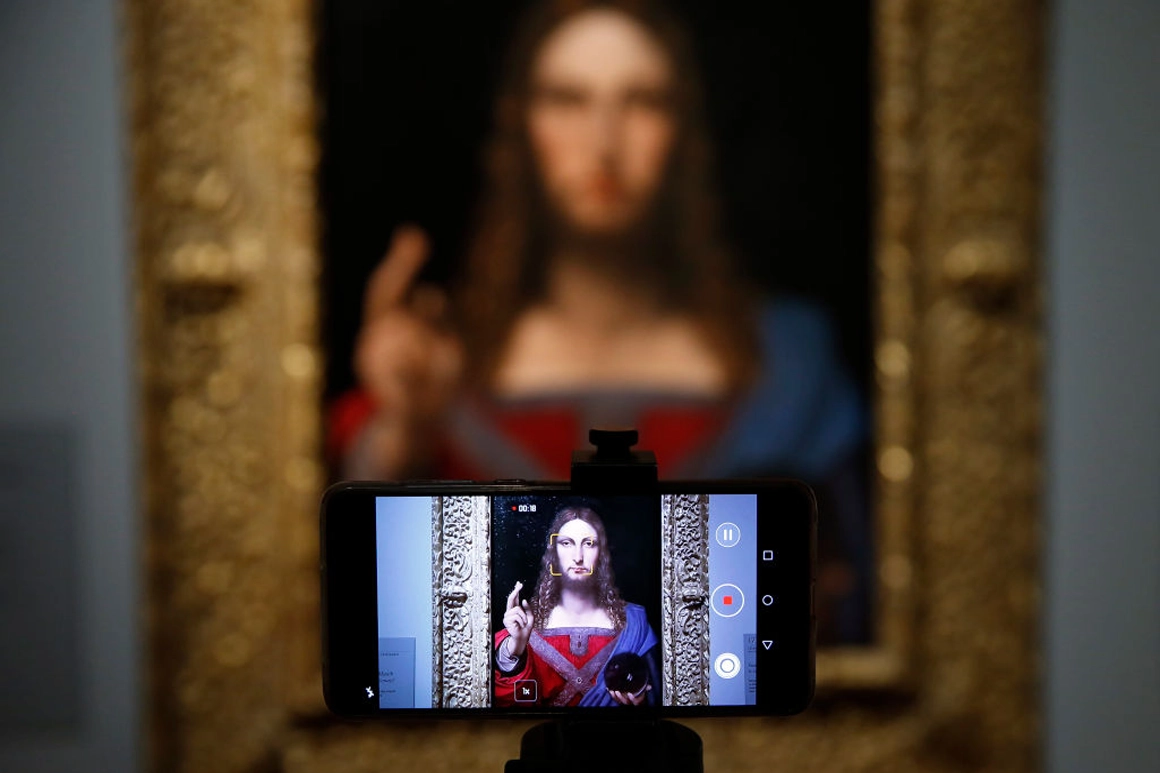
“Salvator Mundi” by Leonardo Da Vinci
4 of 4
The painting, attributed to Da Vinci, is the most expensive artwork to date. In November 2017, it sold for 450 million dollars at a Christie’s auction in New York. Currently, Salvator Mundi has been reproduced as a digital asset by Bridgeman Images, an international image licensing company, in collaboration with the digital asset platform ElmonX.