Eco-anxiety: is there evidence for this condition?
The consequences of climate change go beyond its physical impact. Worries about the climate future and its uncertainty have led to the popularisation of a new term: eco-anxiety.
The term eco-anxiety has become common on social media, in public conversations, and in news headlines. The mix of concern, fear, and distress triggered by reports on climate change, biodiversity loss, or extreme weather events produces, especially among young people, a strong sense of anxiety and stress.
Although eco-anxiety does not appear as an independent diagnosis in clinical manuals, an increasing number of studies in environmental psychology and mental health have begun to examine this phenomenon as part of a broader emotional context. In any case, those who report experiencing it show real symptoms.
In the face of the inevitable increase in extreme climate events and their consequences at all levels, it is also important to pay attention to the adverse effects on mental health in order to understand how to cope with them and approach the future with resilience.
A recent term for a growing concern
In 2017, the American Psychological Association (APA) defined eco-anxiety as a 'chronic fear of environmental cataclysm'. Since then, the scientific community has been investigating how the perception of climate risk affects people’s mental health and emotional well-being, particularly among younger generations.
One of the most influential studies in this field is the global The Lancet report on mental health and climate change, published in 2021. Based on surveys of over 10,000 young people aged 16 to 25 across ten countries, the study found that 62% reported feeling intense worry or even distress about the environmental future of the planet. Furthermore, almost half of the respondents experienced emotions such as sadness, fear, anger, or helplessness in response to political inaction on the climate crisis.
However, it is important to clarify that eco-anxiety should not be understood as an isolated clinical disorder. It is not listed as an independent diagnosis in manuals such as the DSM-5 or ICD-11, but it is recognised as a legitimate emotional response, proportional to the scale of the climate challenge.
In this sense, eco-anxiety can be seen as a human mechanism for anticipating and adapting to real threats—a warning signal that encourages awareness and action.
How is eco-anxiety experienced?
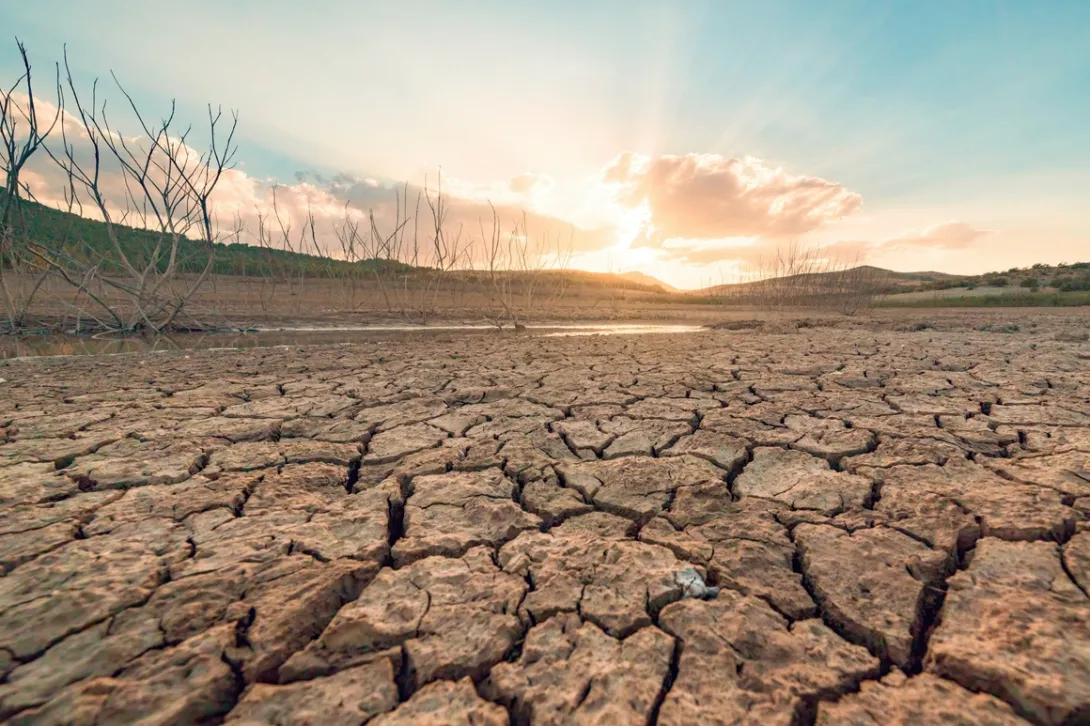
At the same time, the experience of eco-anxiety can vary greatly from one person to another. Distress may be intensified in those who have closely experienced natural disasters such as wildfires, floods, or droughts. In these cases, the psychological impact is compounded by the loss of material possessions, the breakdown of communities, and even grief for loved ones or vanished environments.
On the other hand, eco-anxiety should not be limited to suffering; it can also become a driver for change. Many people find that collective action and engagement with environmental causes provide a way to channel their concern and regain a sense of control.
Thus, sharing emotions, staying informed, and participating in sustainability initiatives can help transform anxiety into commitment and resilience. One example of this approach is the international student movement Fridays for Future, promoted by activist Greta Thunberg.
What does the science say?
Overall, mental health professionals agree that experiencing eco-anxiety is not a sign of weakness, but a understandable reaction to a global challenge.
Among the strategies recommended for managing eco-anxiety on an individual level are:
- Limiting overexposure to negative news.
- Cultivating community connections (especially with environmental groups).
- Engaging in small but sustained actions that create a sense of control.
In cases where distress becomes recurrent or affects daily life, psychological therapy may also be appropriate.
Even though eco-anxiety is not yet a formal diagnosis, evidence supports its existence as a real and growing emotional phenomenon. Far from being a passing trend, it reflects a global awareness of the climate challenges we face and will continue to face.