4 benefits you could experience by going barefoot
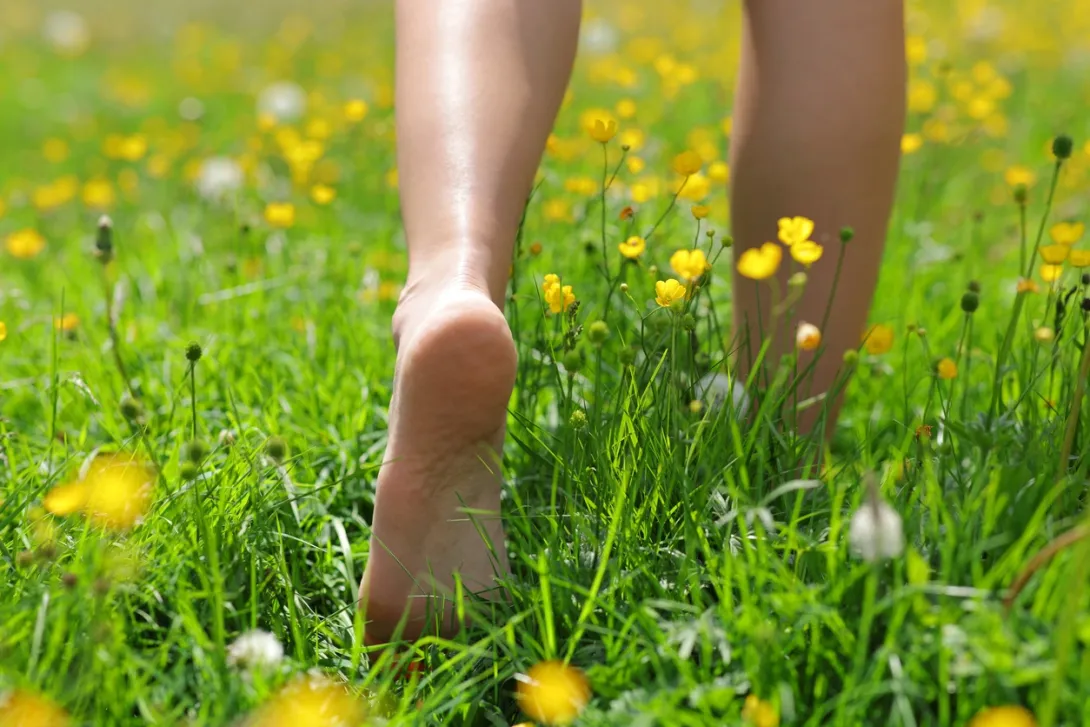
Some studies found out that going barefoot can help reduce signs of anxiety and improve foot mobility.
In many regions and cultures, going barefoot is considered a natural and everyday practice. In Asian countries such as Japan, China and South Korea, removing your shoes before entering a home is almost an unwritten rule. In India, this custom is also seen as a sign of respect and purity, particularly when entering temples and private homes. Even in Australia, it is relatively common to see people walking barefoot in the street or entering certain shops without shoes.
Although many people may regard the practice as an unhygienic or even risky habit, doing it in a controlled and gradual way could offer benefits for both physical and emotional wellbeing. In fact, a number of studies, including research published in Medicina Naturista, have examined the potential positive effects of barefoot walking on stress levels, mobility and foot health.
What happens to the body when we go barefoot?
Going barefoot forces the feet to work differently. This is because when we wear footwear, particularly high heels, flip-flops or rigid shoes, the feet lose some of their natural mobility. As a result, certain muscles become overworked while others gradually weaken.
When we walk barefoot, we alter the way our feet strike the ground and adjust our posture, allowing impact forces to be distributed more evenly rather than being absorbed almost entirely by the heels.
In addition, going barefoot is also practised as part of grounding or earthing, a technique that aims to support emotional wellbeing through direct contact with the natural environment. It involves allowing the skin to come into contact with nature in order to relieve mental tension and foster a stronger connection with the present moment.
How to start going barefoot safely
Before walking on uneven surfaces or rough terrain, it is advisable to begin gradually. The best approach is to spend short periods barefoot, allowing the feet to adapt progressively to the different patterns of movement and muscular effort involved.
Choosing the right surface is also essential. Safe, controlled environments, such as your home, garden, gym or the beach, are ideal places to begin. As your body adapts, you can gradually progress to a wider variety of surfaces, always taking care to avoid sharp objects or hazards that could cause injury.
4 reasons to go barefoot
It may help reduce stress and anxiety
1 of 4
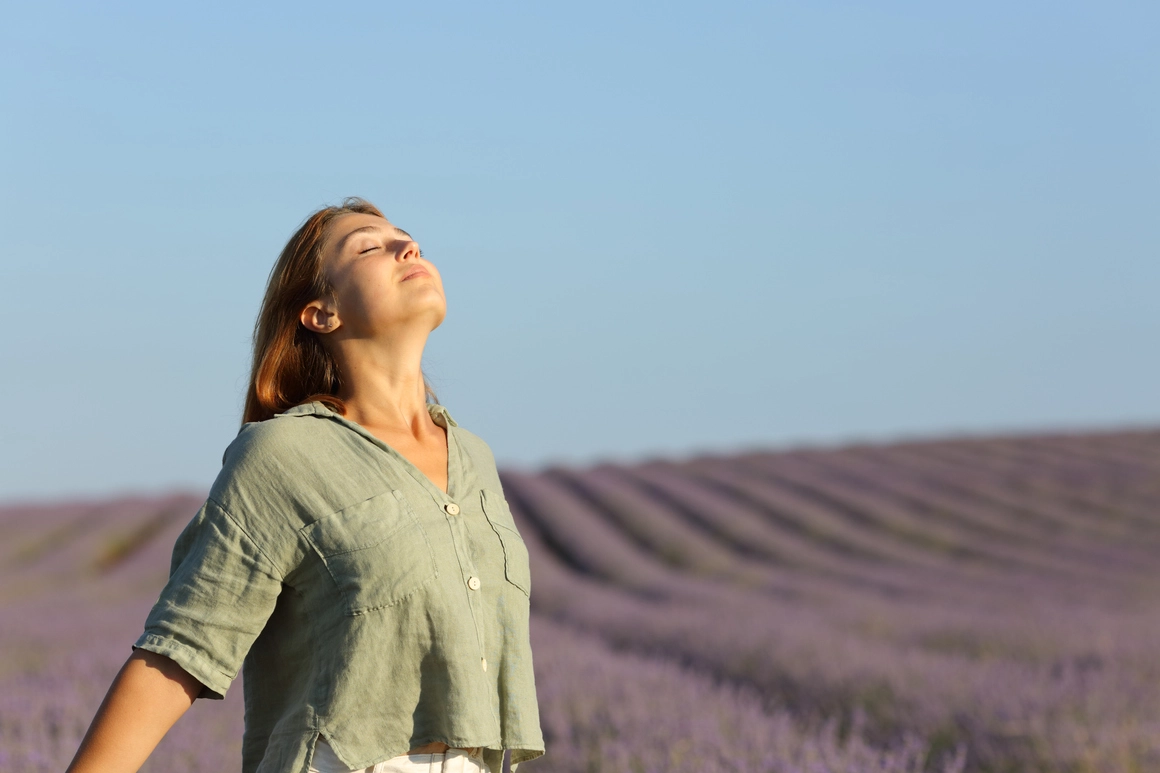
Direct contact with the ground stimulates the nerve endings in the feet and may help release accumulated tension. Some research suggests that this practice encourages the nervous system to shift from a sympathetic state to a parasympathetic one, promoting relaxation and reducing perceived stress.
It helps strengthen the feet
2 of 4
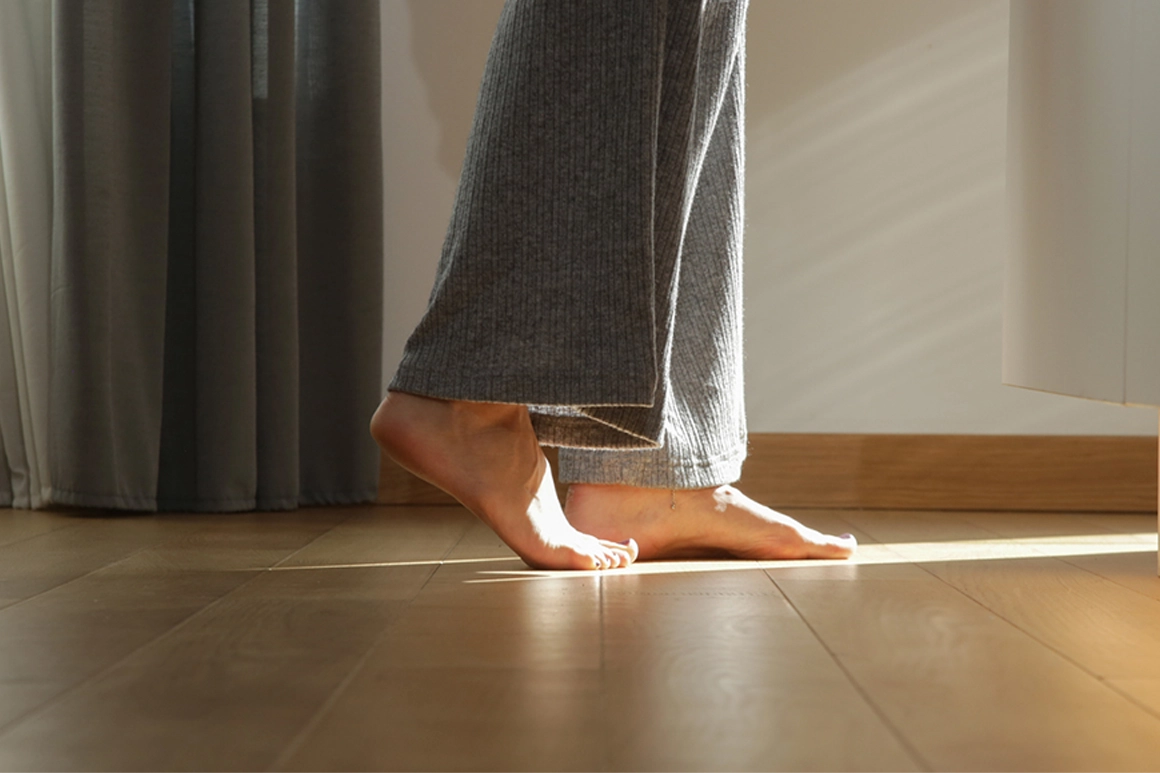
Certain types of footwear, such as high heels and flip-flops, can alter the foot's natural gait. As a result, some muscles become overused while others weaken. Walking barefoot may improve circulation and help strengthen the muscles and supporting structures of the feet.
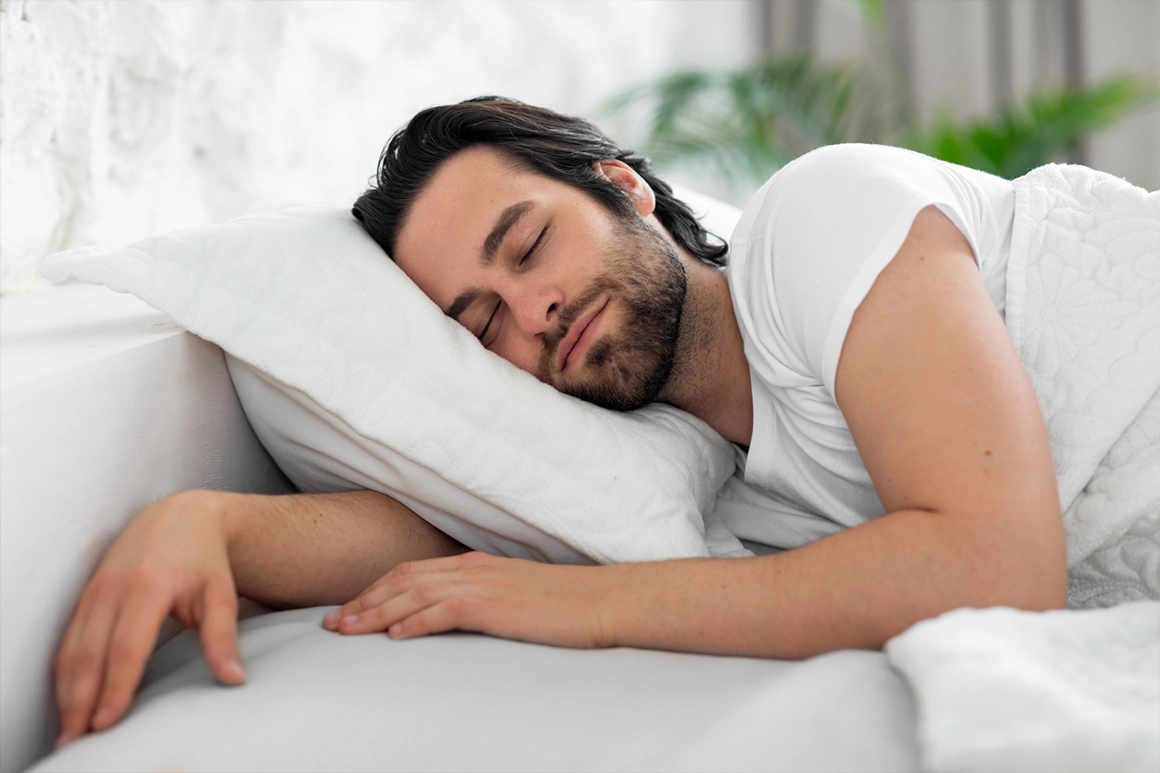
It may improve sleep quality
3 of 4
Walking barefoot as part of a grounding practice may help regulate cortisol levels and contribute to better-quality sleep.
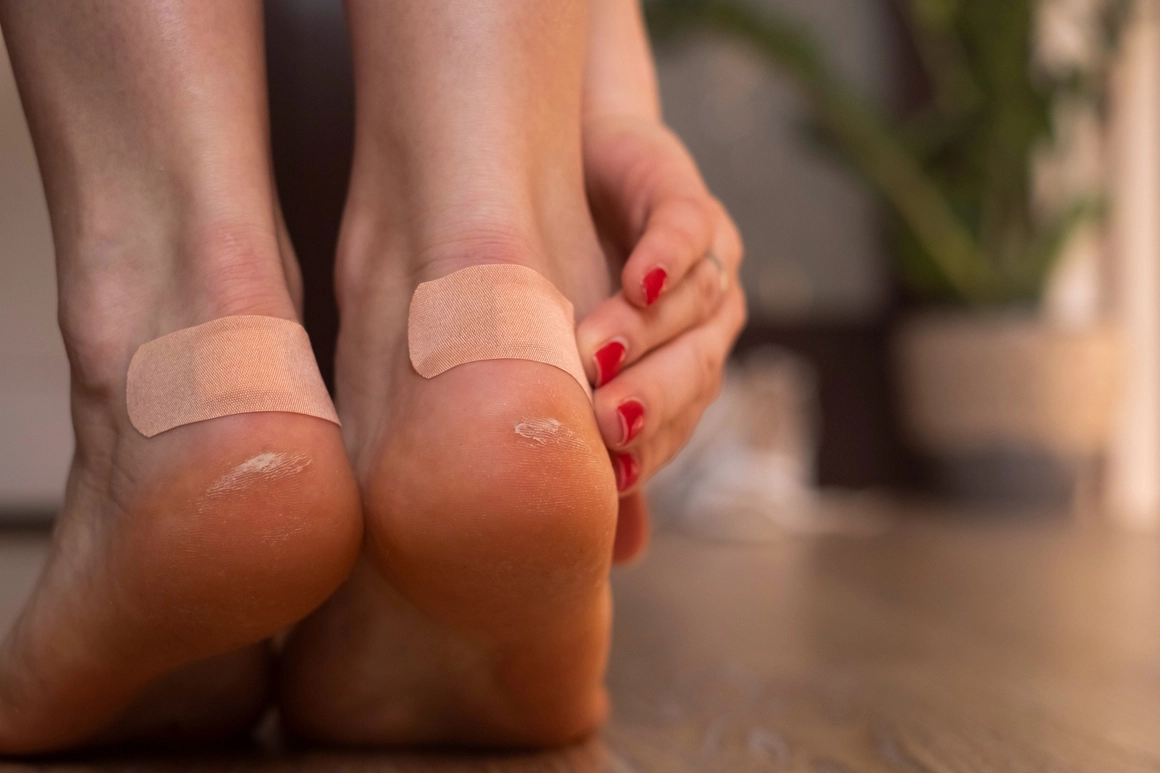
It can support tissue repair
4 of 4
Long-term barefoot practice has been associated with improved tissue repair, potentially as a result of reduced inflammation and enhanced circulation in the affected area.