4 indoor workouts to train during winter
To train in winter can be a double effort, but with the right routines it is possible to strengthen the body and stay in shape.
The arrival of cold weather and the shorter hours of daylight affect motivation to train in winter. The blanket and sofa become the most comfortable and appealing option during these months, making practising sport a double effort.
However, regular physical activity is essential for health. The WHO reminds us that adults should do at least 150 to 300 minutes of moderate physical activity per week, which is equivalent to 2.5 to 5 hours weekly.
The importance to train during winter
Although cold climates invite staying at home, it is crucial to keep exercising the body. In fact, staying active in winter has advantages compared to how we train in good weather:
- You burn more calories. The drop in temperature forces the body to work harder to maintain its temperature, which boosts metabolism and speeds up calorie consumption.
- Strengthens the immune system. Doing sport helps fight cold symptoms and reduces the likelihood of respiratory infections, as it stimulates immune system function.
- Improves fitness. Physical activity enhances performance. When done in cold conditions, the body works harder, which improves muscular and cardiovascular performance.
- Boosts mood. Exercise improves mood and mental health, as it helps produce endorphins, known as the health and wellbeing hormones.
4 exercises to train at home
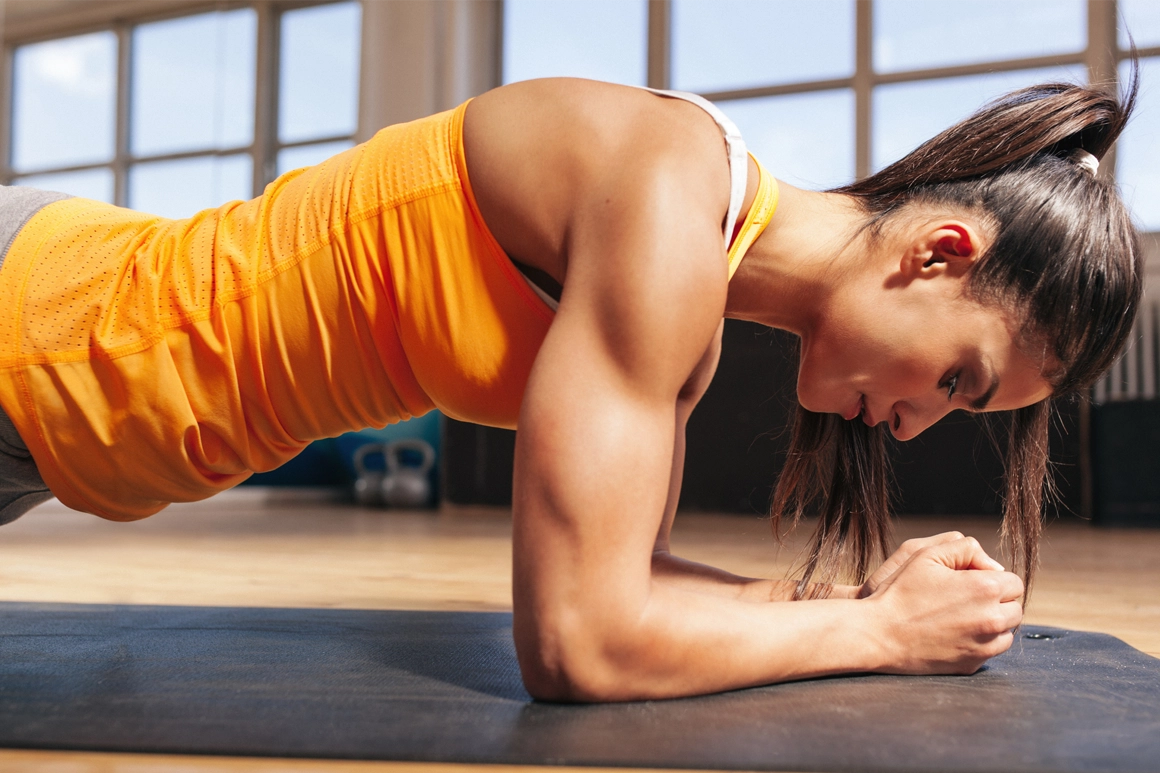
Plank
1 of 4
This exercise uses body weight to strengthen the core, which is responsible for providing stability to the body. According to research published in The Journal of Strength and Conditioning Research, strengthening it can reduce lower back injuries and increase athletic performance. This area includes the lower back, pelvis, glutes, and spinal muscles.
When performing the plank, it is important to follow these steps:
-Place the forearms on the ground and align the elbows with the shoulders.
-Keep the torso straight from feet to head and tighten the abdomen. It is important not to raise or lower the hips too much, as this may cause strains or injuries.
-Hold the position for 20–30 seconds and gradually increase the time as resistance improves.
The traditional plank can be performed with variations, such as shifting weight from feet to arms. Side planks or mountain climber planks, which involve bringing the knees towards the abdomen while extending the arms, can also be done.
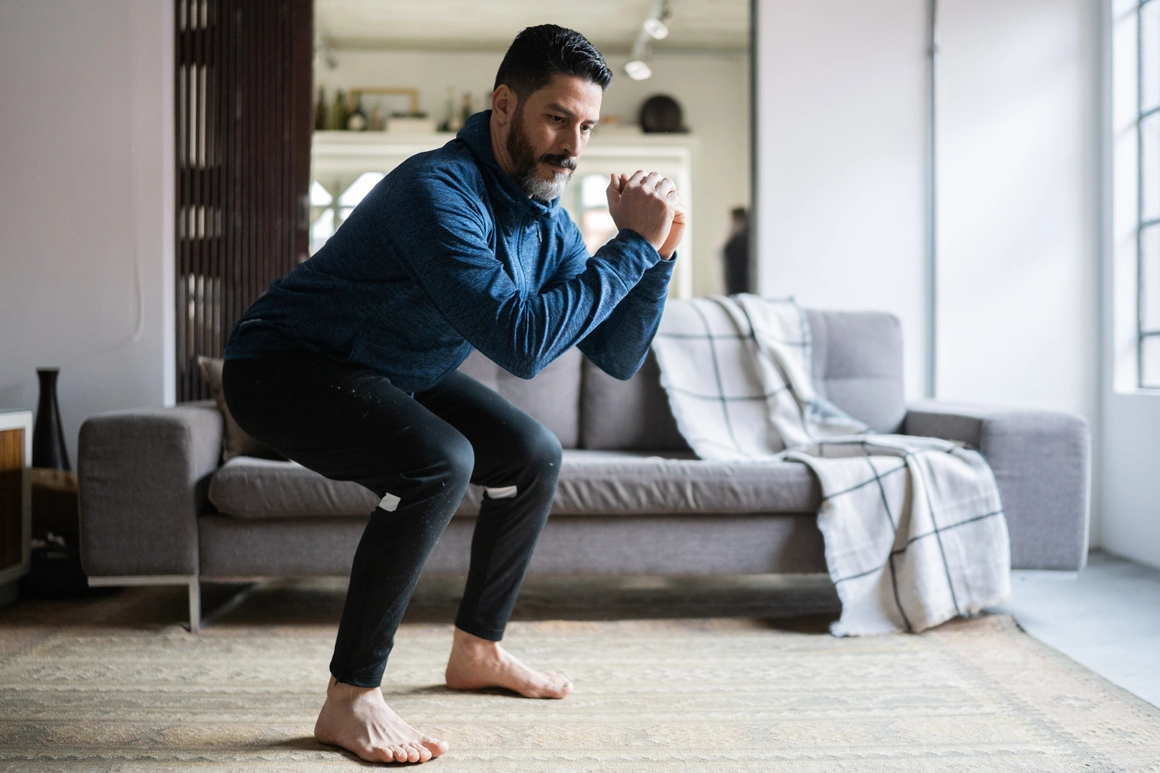
Squat with lateral leg raise
2 of 4
Squatting is a common daily movement, which is why squats are practised both in rehabilitation and to improve sports performance.
This combination of squat with lateral leg raise is perfect for training in winter and helps strengthen the glutes, adductors, abductors, quadriceps, and abdomen. To perform it correctly, you should:
-Position your feet shoulder-width apart.
-Perform a squat, keeping the back straight and bending the knees to a 90º angle.
-Straighten the legs and return to the starting position.
-Lift the leg as high as possible in a controlled manner while tightening the glutes both on the lift and descent.
To increase the difficulty, a weight can be added, such as dumbbells or a water bottle.
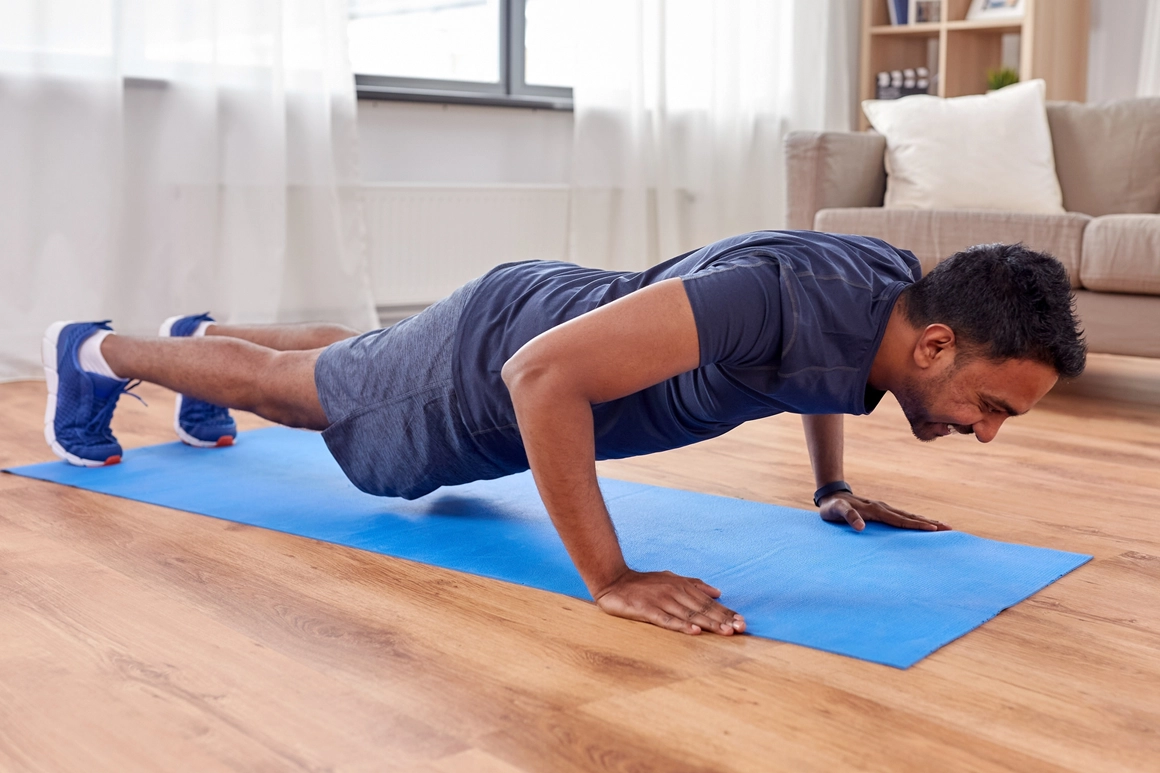
Push-Ups
3 of 4
Push-ups work the chest, shoulders, triceps, and core simultaneously, making them a very complete and practical exercise for winter.
To avoid injuries, it is important to keep the elbows back and slightly out to the sides, forming a 45-degree angle with the torso.
Beginners can do push-ups with their knees on the ground and feet elevated. Difficulty can also be increased with burpees, which are push-ups combined with jumps.
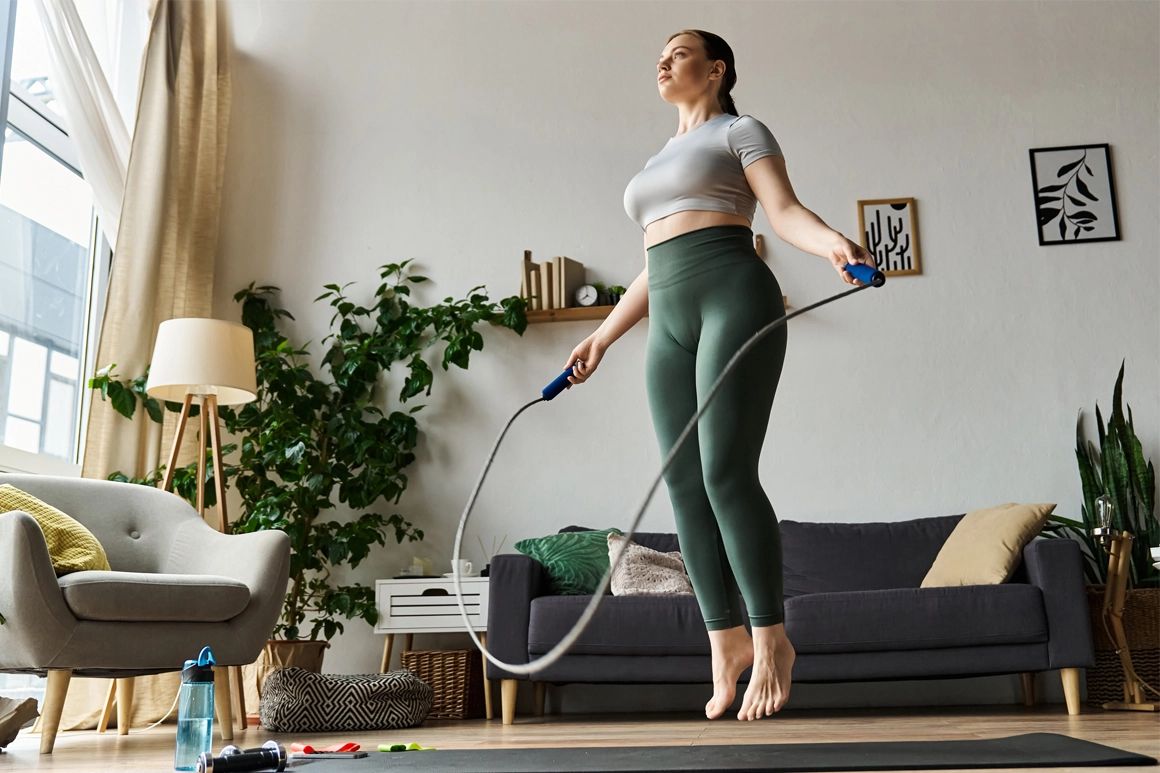
Jump Rope
4 of 4
Jumping rope is a perfect activity to train in winter, as it is high intensity and improves physical and cardiovascular health. Additionally, it helps strengthen bone mass, contributes to weight loss, and improves coordination and agility.
Before starting, it is important to do 3 to 5 minutes of stretching. The jumping routine can be adapted according to each person’s level and endurance. For example, sets of 10 to 15 jumps can be alternated with 20 seconds of rest.