The era of immersive exhibitions: will they replace museums?
The cultural sector is debating whether immersive exhibitions represent an evolution of art or a reinterpretation that alters its meaning.
From its very beginnings, art has been conceived as a means of expression and critique capable of provoking a reaction in the viewer. But when that impact occurs through projections, screens and immersive exhibitions, are we talking about art or an experience designed for mass consumption?
This is a question that the cultural sector has been debating for years. Critics, artists, museums and visitors wonder whether the advent of immersive exhibitions represents an evolution in the way we engage with artworks or whether, on the contrary, it ends up distorting them and distancing us from the artists’ intentions. However, there are also those who argue that these initiatives bring culture and artistic creation closer to new audiences, particularly children, tourists and those who have had little contact with the art world.
From viewing to participating
For a long time, visiting a museum involved following a set of unspoken rules: walking slowly, keeping your distance from the artworks, reflecting and, in some cases, feeling that prior knowledge was needed to understand them.
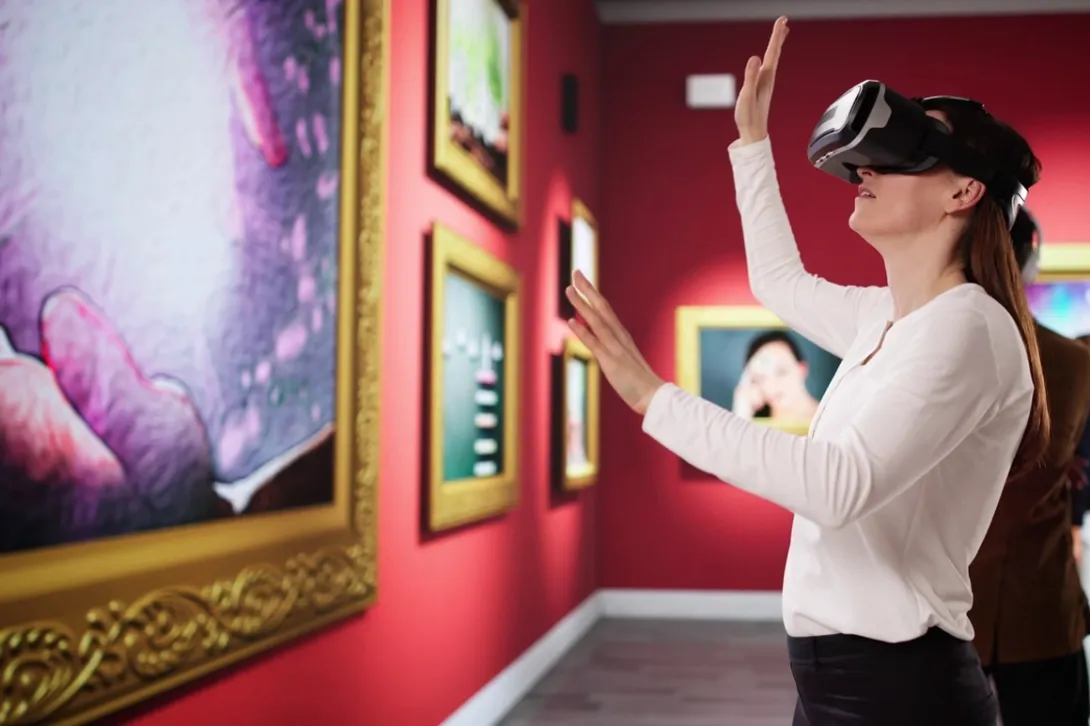
Immersive exhibitions have broken with some of these conventions. Here, art is not observed from the outside; rather, you walk through it, surround yourself with it and even interact with it. Visitors are no longer mere spectators; they become protagonists, whilst the artworks become part of an immersive experience. A good example is Dalí Challenge, an exhibition featuring over 60 digitised works and six exhibition areas that immerse the public in the artist’s creative universe.
Those who view art as an exercise in reflection and contemplation argue that this format, designed to generate an immediate emotional impact, breaks with the interpretative depth associated with traditional museums. In these spaces, anyone can engage with the works without needing prior knowledge of the artist, their body of work or the context in which it was created. Indeed, this is a key selling point for those who champion such initiatives, as they bring artistic creation to a wider audience and offer new ways of engaging with the works from different perspectives.
Art, entertainment or both?
Authenticity is another of the most contentious points in the debate. Immersive exhibitions do not display the original paintings but rather large-scale digital reproductions. For their critics, this format distances the viewer from the artwork and does not create the same connection as standing in front of an authentic piece. Their supporters, on the other hand, argue that it brings these creations to a wider audience and offers a more intense and immersive visual experience, which is difficult to achieve in traditional museums.
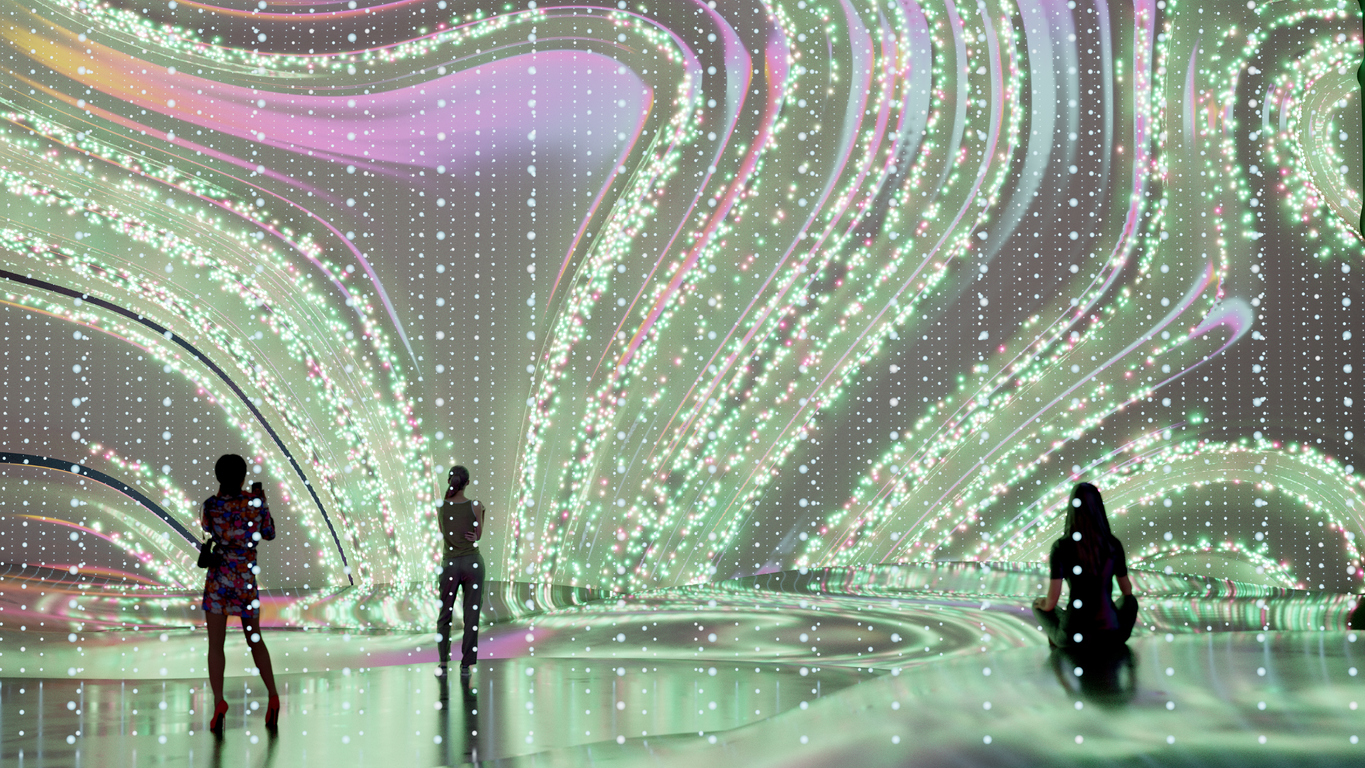
Another much-debated aspect is the design of these spaces. Most incorporate elements designed to be particularly eye-catching on social media. From photo booths to 360-degree projections and interactive installations, everything is designed to be photographed and shared. As a result, the artwork runs the risk of becoming mere scenery, where the image captured of it sometimes takes on greater significance than the work itself.
Will immersive exhibitions redefine the cultural sector?
At present, there is a veritable explosion of immersive artistic projects, a phenomenon that is still somewhat chaotic and which, for some, seems set to compete with traditional museums. However, as is often the case with any innovation, the sector will eventually find its own place within the cultural landscape.
Perhaps the first mistake is to compare immersive experiences with conventional museums. Both formats serve different purposes and offer different ways of engaging with artworks and artistic creation.
Beyond this debate, what seems clear is that immersive technology is here to stay. The question, therefore, is not whether it will eventually replace traditional museums, but how it can help to transform and expand the artistic experience without compromising the value of direct contemplation of the works.