The living legacy of Impressionism
On the centenary of the death of Claude Monet, interest in Impressionism and its impact on the history of art is reborn.
Paris, 1874. Industrialisation and technological evolution are celebrated among the upper classes, projecting an exciting future of limitless transformation. The idea of progress spreads through society, although for many this new paradigm may prove overwhelming.
Amid this techno-optimistic whirlwind, photography, a novel technology that makes it possible to capture an instant with precision, has turned painting into an obsolete art with which to depict the world. Artists, who until then had made realism their mission, are left bewildered in the face of it. A generation of painters find themselves driven to seek a new way of understanding painting, its purpose and its function.
Claude Monet, who was 34 at the time, opened an exhibition in which this search for a new pictorial language came to fruition. But his groundbreaking ideas did not appeal to the critics of the time. Louis Leroy, taking as his starting point the painting Impression, Sunrise, disparagingly labelled this new wave of Impressionists. He did not know that this term, used with smugness and sarcasm, would in the future serve to describe one of the deepest ruptures ever seen in the art world.
Breaking with tradition
Characterised by the study of colour, favouring pure tones, loose and rapid brushstrokes, the effect of light and its ability to transform objects, Impressionism would abandon the pursuit of realistic representation of the world to embrace the subjectivity of the artist.
The rejection of academicism and the painters’ departure from the studio to paint in the open air also contributed to this transformation. Light was now understood as something changeable and shifting, and the same setting could leave different impressions depending on the time of day. Moreover, by leaving the studio, historical themes or the depiction of untamed nature were also abandoned in order to focus on scenes and landscapes of everyday life. An example of this is the famous Ballet Class by Edgar Degas.
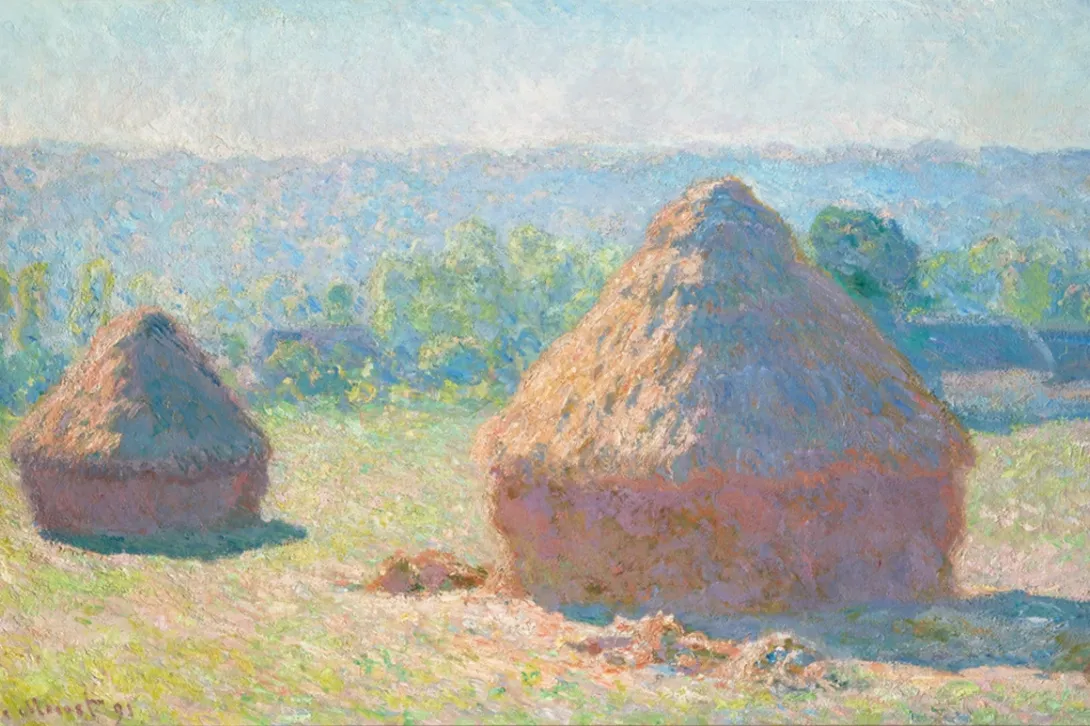
Without the impression made by an exhibition of Monet’s Haystacks in Moscow on a young Kandinsky in 1896, he would not have considered that if a composition based on light and colour could leave an effect on the viewer without there being an object represented, painting could dispense with that object and still maintain its purpose. And although they are not direct descendants, would Picasso’s Blue Period or Rothko’s colour landscapes exist at all without the prior step of the Impressionists?
Even in 2026, we find the legacy of the Impressionists in the works of artists such as David Hockney who, in his series calledYorkshire, extensively explores the study of perspective, light and landscape, as well as the photographer Olafur Eliasson, who turns light into the main motif of his work.
A fresh perspective
Monet, peindre le temps [Monet, Painting Time], the major exhibition that the Musée de l’Orangerie in Paris is dedicating to Claude Monet to mark the centenary of his death, arises from an attempt to answer the question What does it mean to paint time?. From 30 September 2026 to 25 January 2027, nearly forty paintings make it possible to follow the artist’s career through his obsession with representing time and its transformations. The study of changing light on series that show the same place at different moments sought to answer that question pictorially.
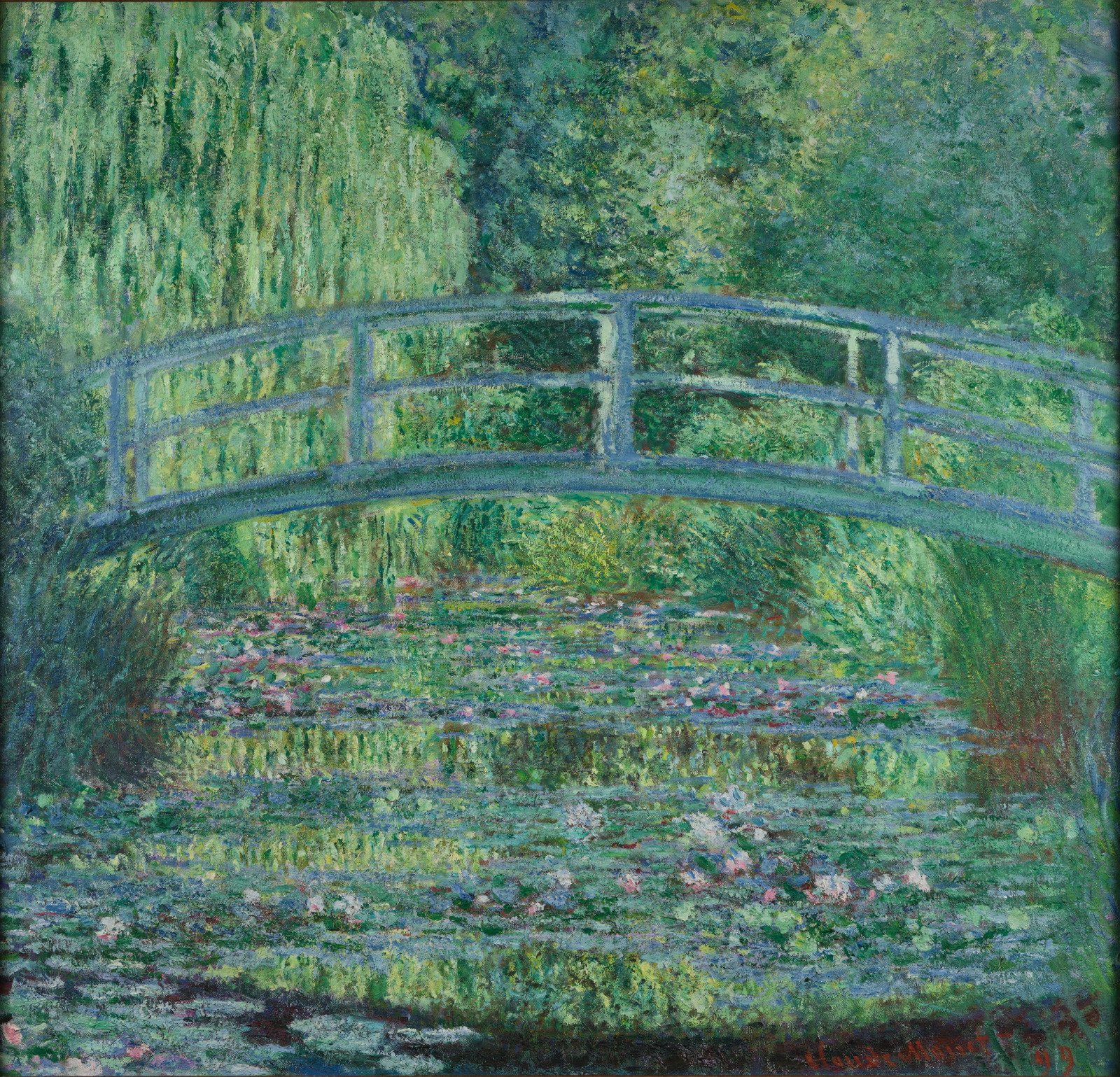
The exhibition, which will subsequently travel to Tate Modern in London, from 25 February to 27 June 2027, thus invites us to look again at a body of work we think we know. Beneath his landscapes, his reflections and his famous water lilies, there emerges an artist who devoted much of his life to ensuring that a static image conveys the feeling of constant transformation and change, in keeping with the way the world itself does.