Basic guide to protect your pet from heat
High temperatures pose a risk to pets. Hydration and access to shaded areas are key to protecting your pet from the heat.
Humans have different ways of coping with the heat. Some are part of our bodies, such as sweating; others help make summer more comfortable and enjoyable, such as air conditioning, cold drinks or lightweight clothing.
Pets, on the other hand, do not have the same cooling mechanisms. They lack sweat glands, so they release heat in other ways. Dogs do this through panting and the pads on their paws, while cats rely particularly on grooming.
This reduced ability to regulate their temperature makes them especially vulnerable to heatwaves. During the summer, some activities that would not normally pose any danger, such as going for a walk or playing outdoors, can end up becoming a veterinary emergency.
Most importantly: keep your pet hydrated
Hydration is one of the keys to protecting your pet from the heat. Animals should always have access to fresh, clean water, both indoors and outdoors. It is advisable to change the water regularly and ensure that it is not exposed to direct sunlight, as it can heat up quickly.
For dogs, it is recommended to carry a water bottle or portable water bowl when out walking so they can drink along the way. In the case of cats, their main issue is often dehydration, so alternatives, such as running water fountains, should be considered.
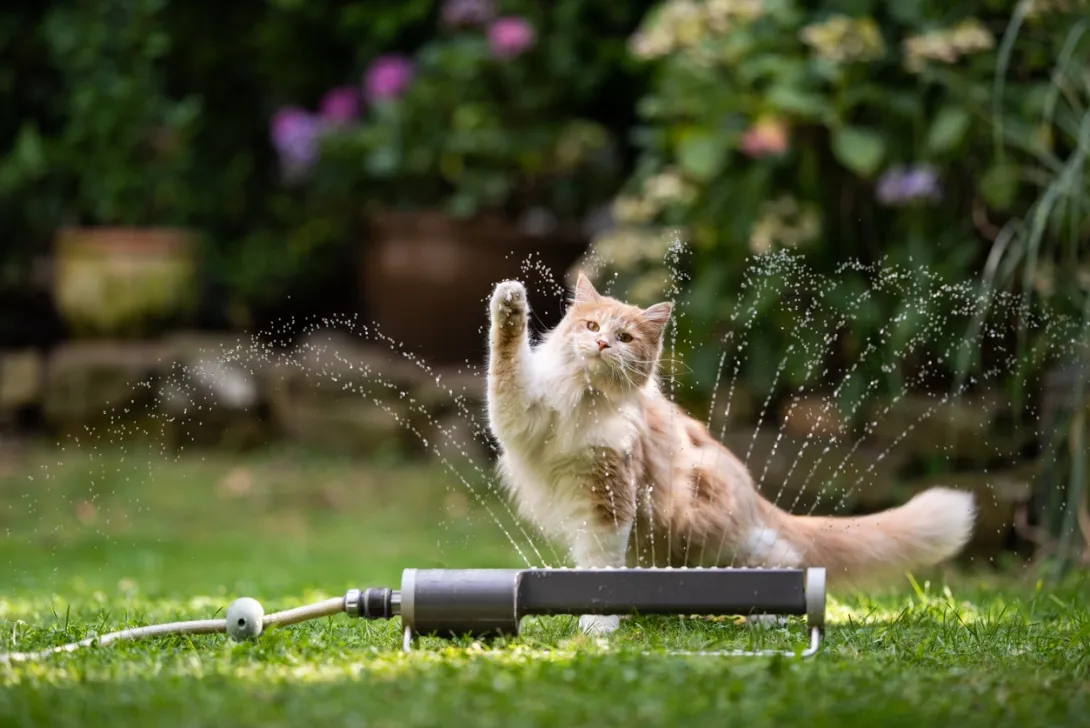
The Spanish Ministry also recommends other ways of keeping animals cool, such as pet paddling pools, cooling mats and games with a hose, provided they enjoy contact with water and remain supervised.
Signs of heatstroke
An increase of just two degrees in body temperature can trigger heatstroke in an animal, according to the Madrid Veterinary Association. Dogs and cats have a body temperature of around 38 degrees Celsius, but when it reaches 43, their internal organs may begin to fail.
If you suspect heatstroke, the most important thing is to act immediately:
- Move your pet to a cool place, preferably near a airflow
- Offer it lukewarm water
- Apply wet towels to the body, especially to the paws and abdomen
None of these recommendations replaces veterinary care, so it is essential to seek professional assistance as soon as possible.
The 7-second rule to protect your pet from the heat
The paw pads of dogs and cats are highly sensitive to high temperatures. Contact with asphalt or sand during heatwaves can cause burns, cracks and pain.
To raise awareness of this risk, the 7-second rule has become increasingly popular in recent years: it involves placing the palm of your hand on the pavement. If it quickly becomes too hot to keep your hand there, the surface temperature is too high for walking your pet. However, if you can keep your hand there for 7 seconds without discomfort, it is generally considered safe to go for a walk.
Some pets may need sunscreen
Just as with people, some animals may also require protection from solar radiation, particularly those with light-coloured coats or areas of skin that are more exposed to the sun. However, the Spanish Ministry recommends consulting a veterinarian to choose the most suitable product.
Ultimately, protecting your pet from the heat requires monitoring its health and adapting its routine to high temperatures. In this way, proper hydration, together with other seasonally appropriate habits, helps make summer more comfortable, safer and easier for our furry companions.
Other habits to help keep your pet safe during the summer
Avoid walks during the hottest hours of the day
1 of 5
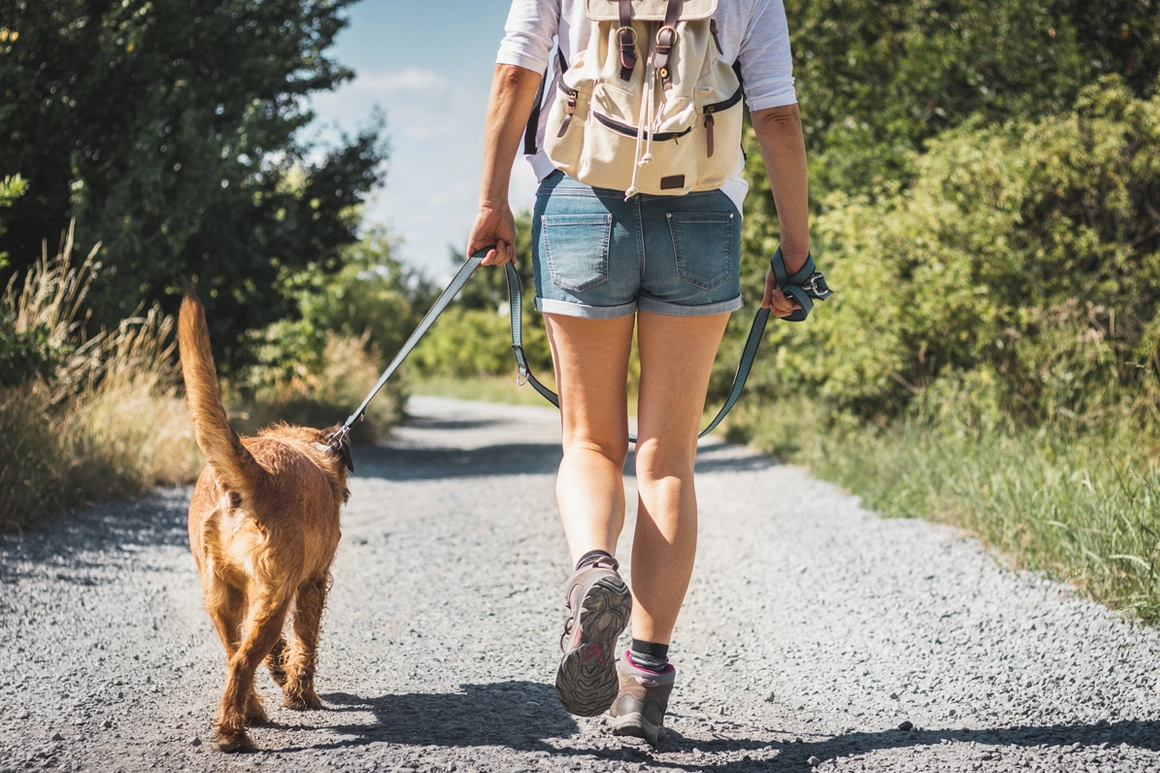
The Spanish Ministry warns that dogs are more vulnerable to heatstroke when they are exposed to temperatures above 30°C while exercising. For this reason, walks should be scheduled during the early morning or late afternoon, when temperatures are lower.
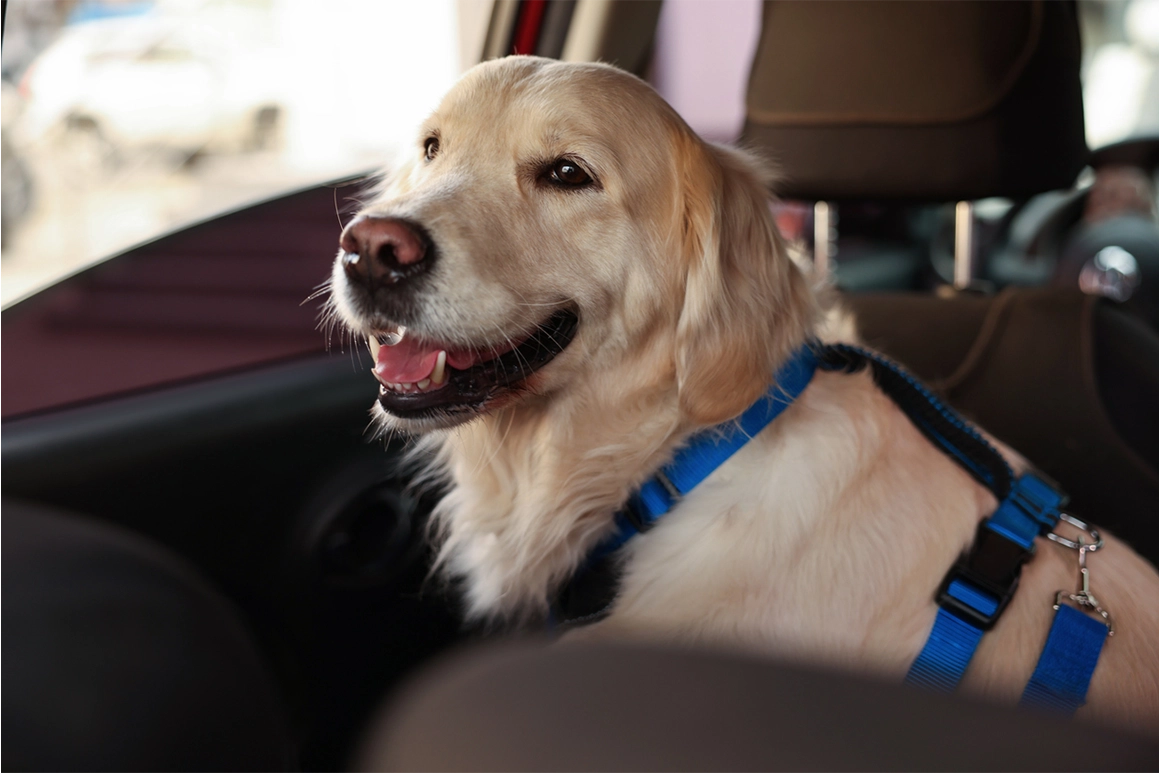
Never leave your pet inside a car!
2 of 5
It is one of the strongest summer warnings. The Spanish Ministry reminds pet owners that this practice can be fatal for animals. This is because a car can reach extremely high temperatures in a very short time and become a serious danger to pets.
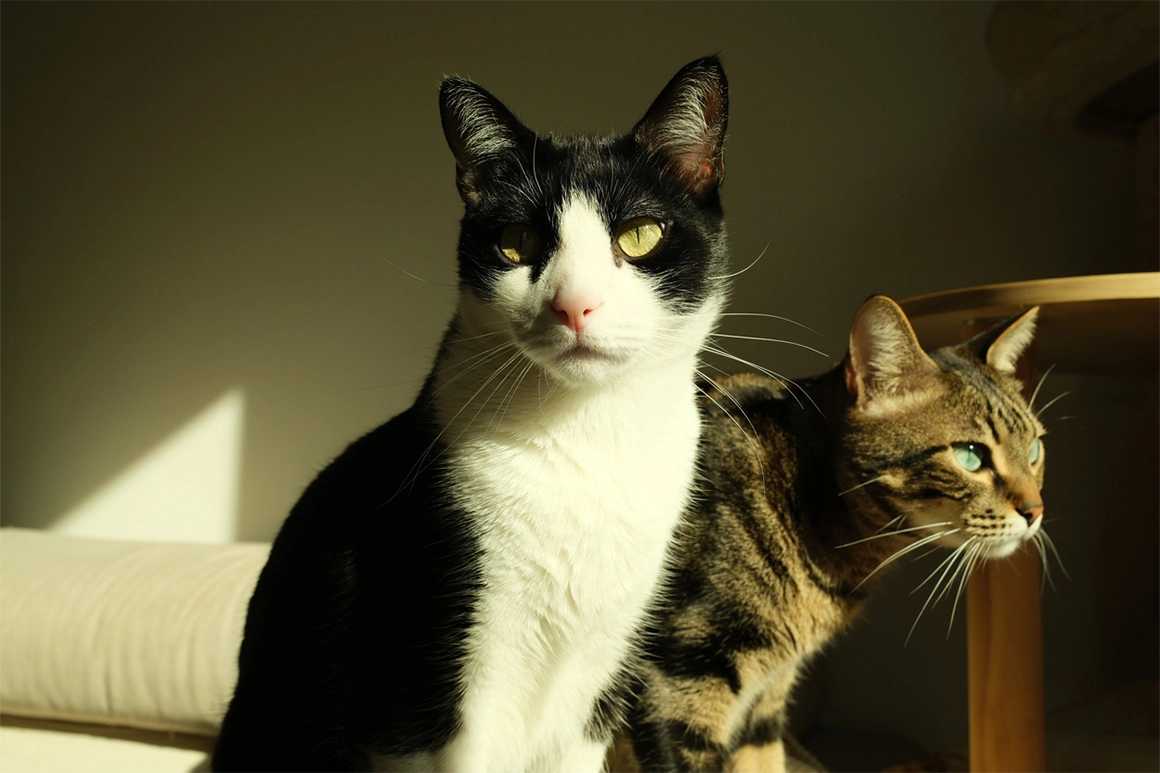
Make sure your pet has access to a shaded area
3 of 5
This is especially important for those who keep dogs or cats outdoors. It is essential to ensure they have access to cool areas where they can take shelter whenever they need to. Indoors, temperatures should also be kept within a safe range to protect your pet.
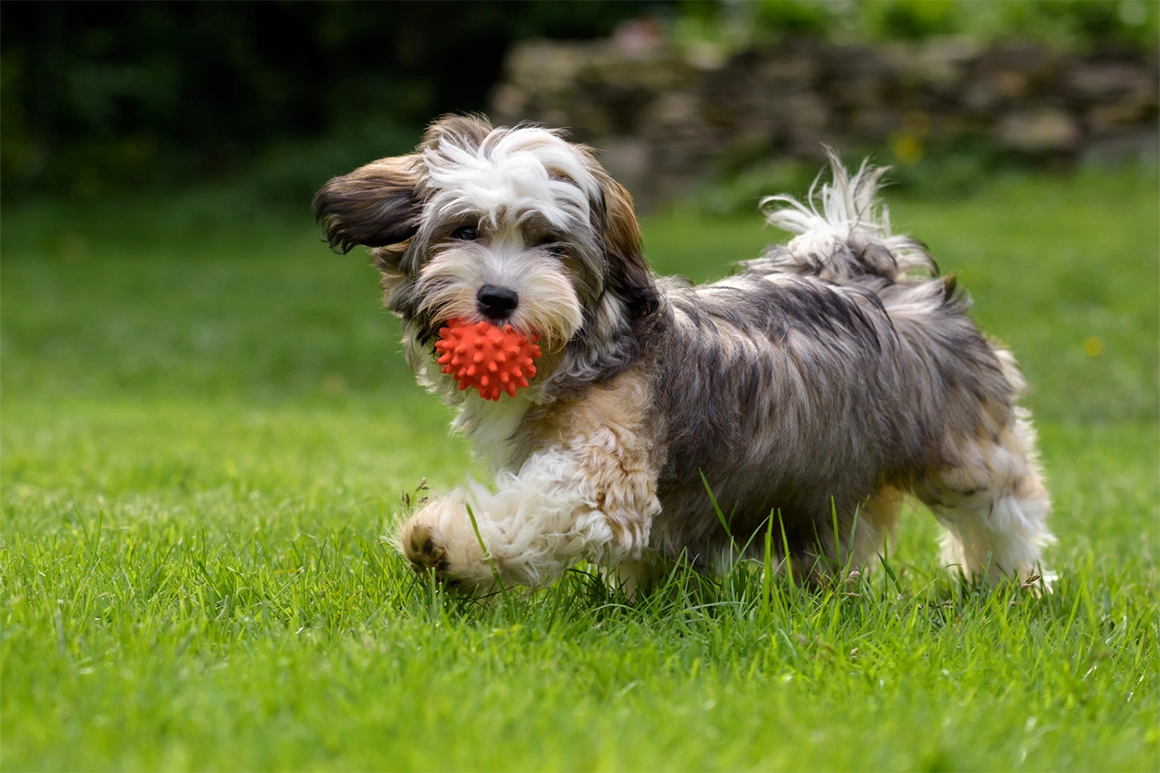
Limit playtime and strenuous exercise
4 of 5
Physical activity should be avoided during intense heatwaves, as it can increase the risk of heatstroke. It can be resumed during the coolest hours of the day or in an air-conditioned environment.
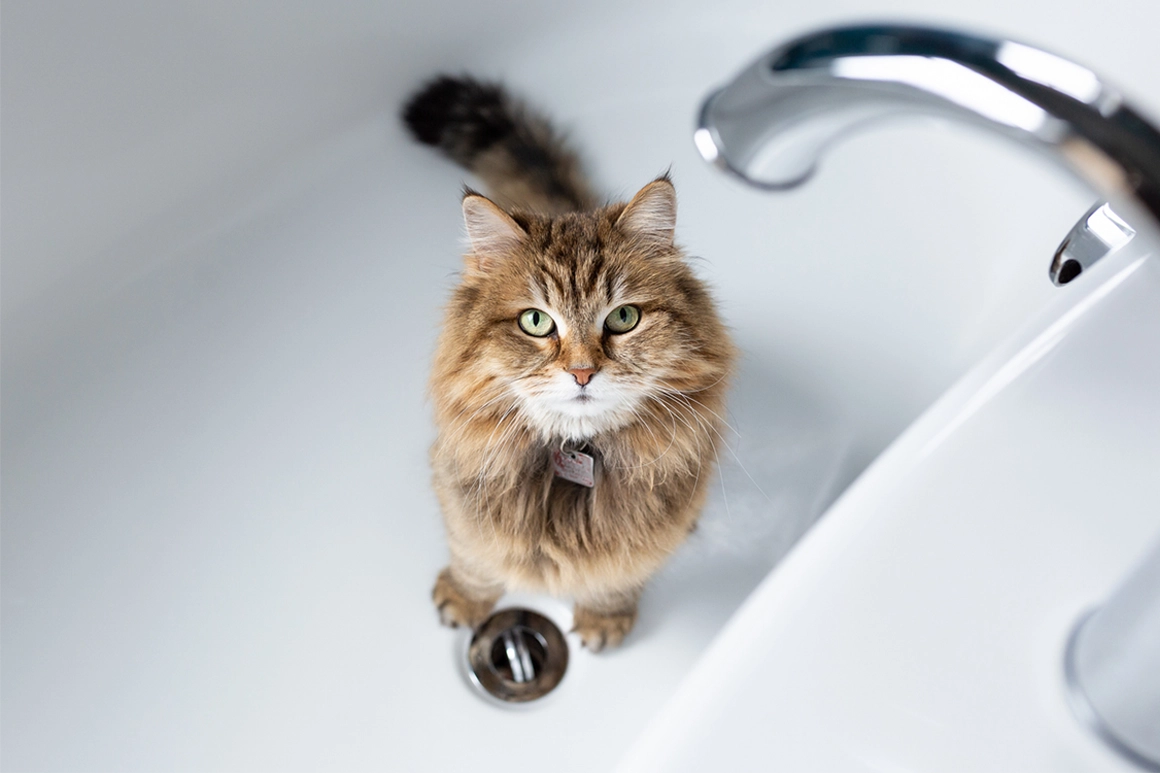
Avoid soaking them completely
5 of 5
This is one of the most common mistakes people make when trying to protect their pets from the heat, particularly dogs. To help cool them down, fresh water should only be applied to key areas such as the armpits, abdomen, neck and paw pads.
If the animal is cooled down completely, it is important to dry it thoroughly afterwards, as the evaporation of water can increase its thermal discomfort.