5 species that are no longer endangered
Even if we're still a long way from achieving a balanced biodiversity, there are species that have been reintroduced into the ecosystem.
Sad as it may be, the list of endangered animals grows longer every year. In fact, the International Union for Conservation of Nature (IUCN) estimates that more than 48,600 species are at risk of disappearing from the planet – a list that, unfortunately, grows every year.
For years, many organisations, volunteers and government institutions have been fighting to protect the environment and the wildlife that lives in it. In 2020, the Biodiversity Strategy to 2030 was launched in Europe as part of the European Green Deal, committing EU member states to restoring and protecting the continent’s ecosystems by 2050. By 2030, the aim is to achieve the recovery of at least 20% of the territory’s land and marine areas.
Although there is still much work to be done to fully recover all wildlife, several countries have managed to save species that were in danger of disappearing. In this article, you will find 5 species that are no longer at risk of extinction, one of which is native to the Iberian Peninsula.
What causes a species to become extinct?
Healthy ecosystems provide us with a range of benefits that we often take for granted and which, if it weren't for biodiversity, we wouldn't be able to enjoy. Thanks to the living beings around us, we enjoy clean air, fertile soil, climate regulation and a wide variety of healthy vegetation. When a species disappears from the environment, it has an impact that destabilises the balance of the food chain and, as a result, can endanger the existence of other living beings.
Human impact is one of the main factors causing drastic changes to biodiversity. Massive deforestation, intensive monoculture and urbanisation are destroying the natural habitats of many animals, while illegal and unregulated hunting is increasing the risk of extinction for many vulnerable species. In addition, there are other risk factors, such as climate change, pollution and the introduction of invasive exotic species.
Criteria and categories for endangered species
When a species is on the edge of extinction, it is added to the IUCN Red List, which assesses living organisms worldwide and classifies them according to their population size and risk of extinction. Governments around the world use this indicator as a guide for conserving species and their habitats.
Below, you can find a guide showing some of the main categories of the Red List and the different animals found in each category.
What is being done in Spain?
In Spain, the protection of native wildlife is primarily governed by the Natural Heritage and Biodiversity Act (42/007), which aligns with European conservation objectives. This legislation establishes an obligation to preserve native species.
The importance of looking after the world around us
Throughout history, many people committed to the planet have devoted their efforts and resources to restoring and protecting endangered species. Fortunately, some of these stories have had a hopeful outcome, with the species managing to avoid extinction.
These cases remind us of the power of human intervention and encourage us to be mindful of the impact our decisions have on the ecosystem and to take responsible action to preserve the planet’s biodiversity.
Species that are no longer endangered
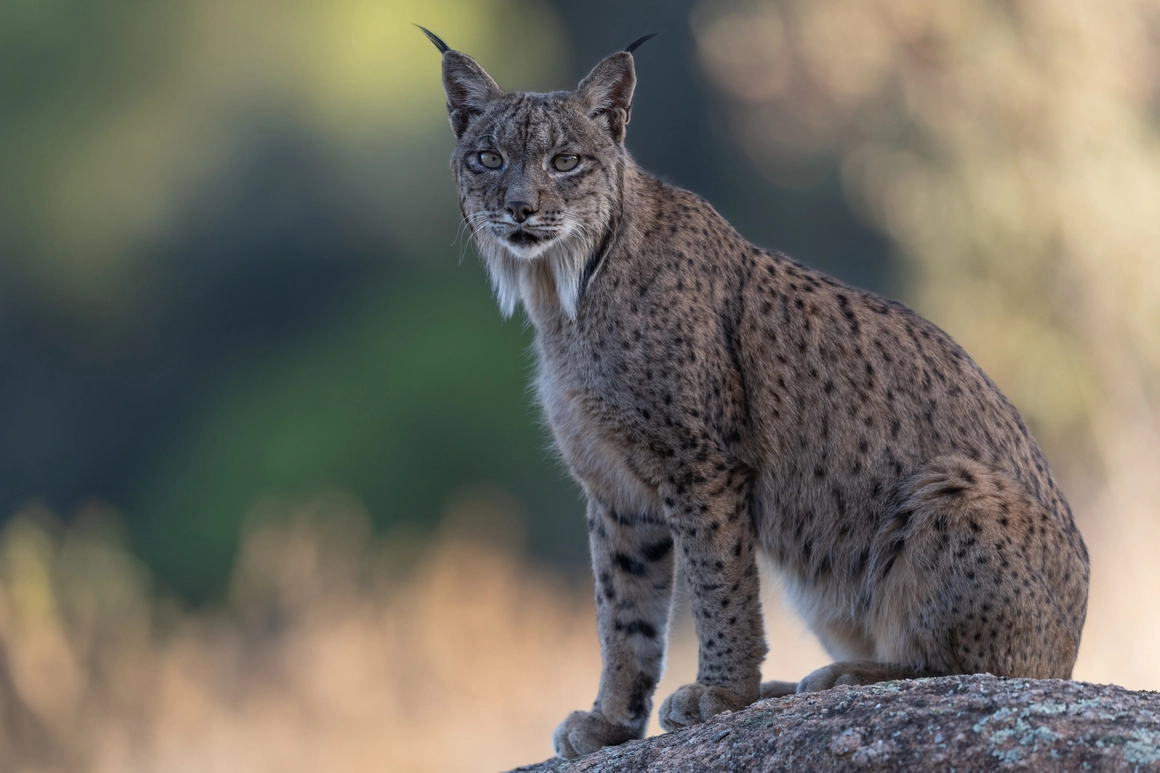
Iberian lynx
1 of 5
Although the Iberian lynx was on the edge of extinction at the end of the last century, by 2024 it had been removed from the Red List, with more than 2,000 individuals of the species across the Iberian Peninsula. Poaching was one of the main causes of its mass disappearance.
Thanks to the work of various organisations and institutions involved in reintroduction, protection and reporting of illegal practices, the Iberian lynx is no longer critically endangered, although it is still far from achieving a stable population.
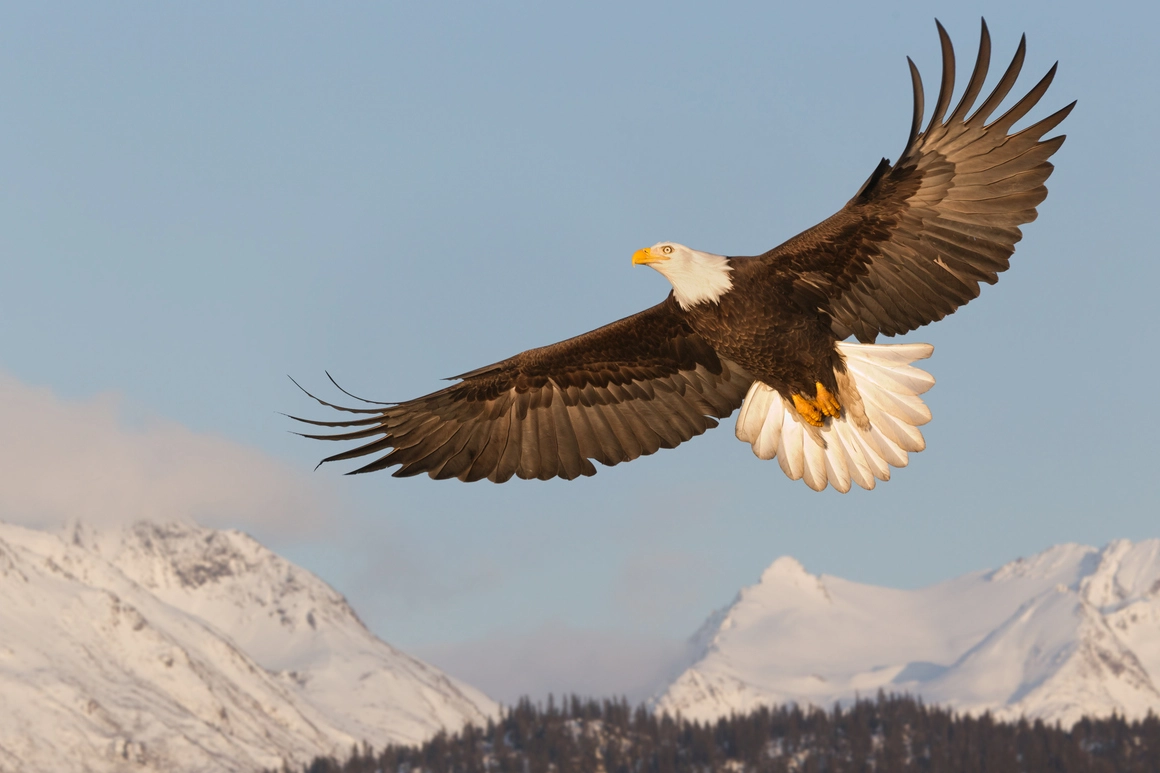
Bald Eagle
2 of 5
Another of the most notable conservation achievements of the 21st century is the bald eagle, which, as well as being a majestic bird, is the national emblem of the United States. Hunter birds have always been perceived as a threat, particularly to farmers and fishermen, and it was for this reason that the species almost disappeared completely in the 1960s.
Following the ban on the insecticide DDT and the launch of a recovery programme, it is now classified as a species of ‘least concern’, with approximately 300,000 individuals in the US.
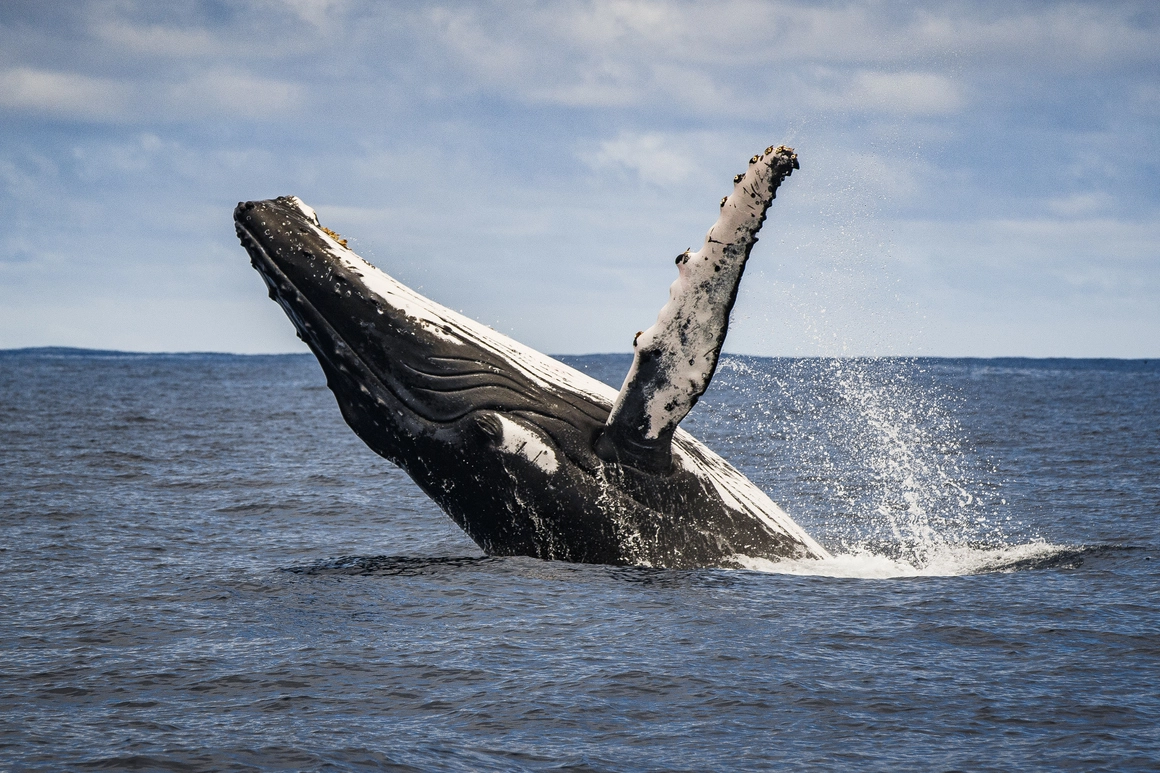
Humpback whale
3 of 5
The population of this mammal has improved significantly in recent years after being hunted extensively by the whaling industry. It was in the 1960s that measures began to be put in place to protect whales due to the serious threat of extinction they faced.
Fortunately, by 2015 they were no longer classified as endangered, and by 2025 their population had reached around 114,000 individuals.
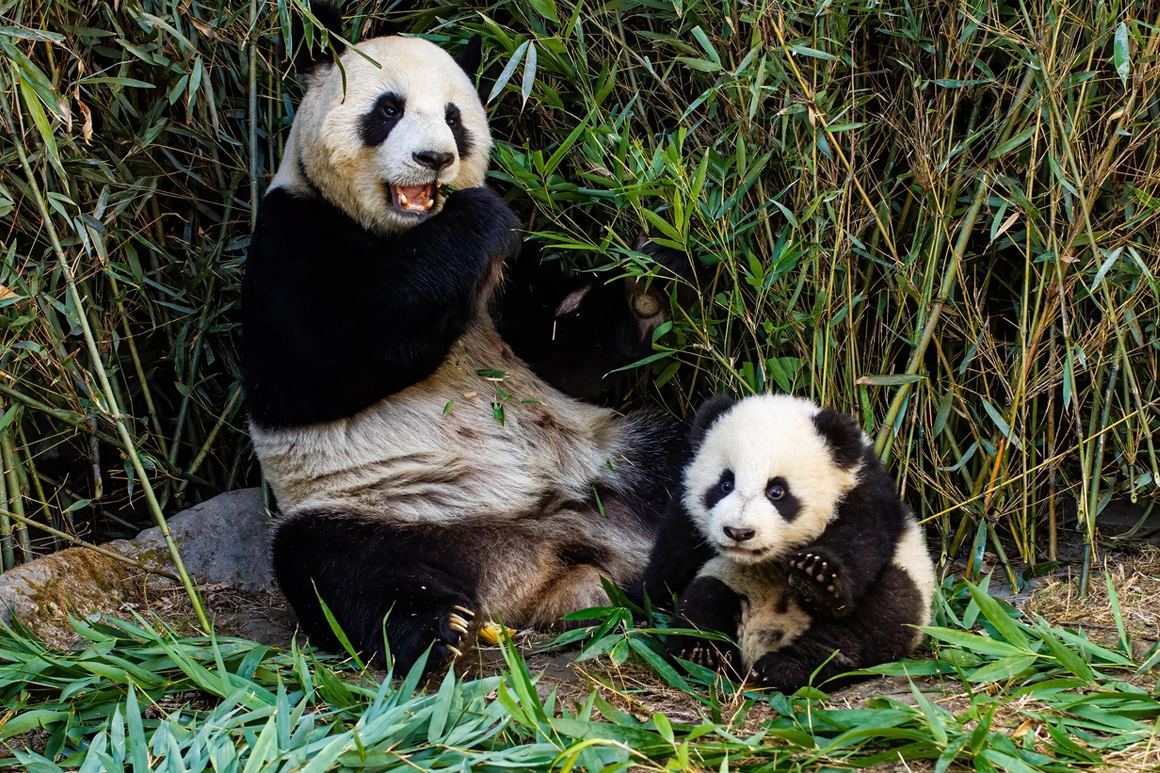
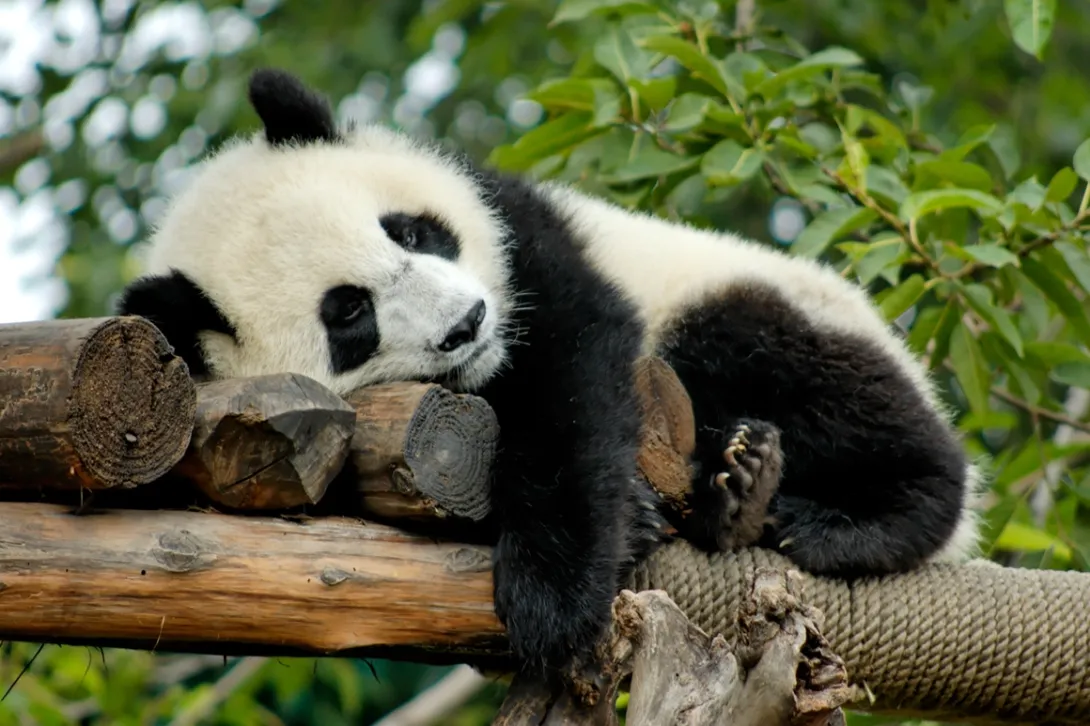
Giant panda
4 of 5
40 years after being added to the Red List, the adorable giant pandas are no longer at risk of extinction, although they remain a vulnerable species. Climate change has severely disrupted the growth of bamboo in China – their essential food source – and breeding them in captivity is extremely difficult.
However, thanks to national efforts to create nature reserves, preserve the species and restore its natural habitat, there are now more than 1,800 pandas. But they remain under close monitoring, as they have not yet been successfully reintroduced into the wild.
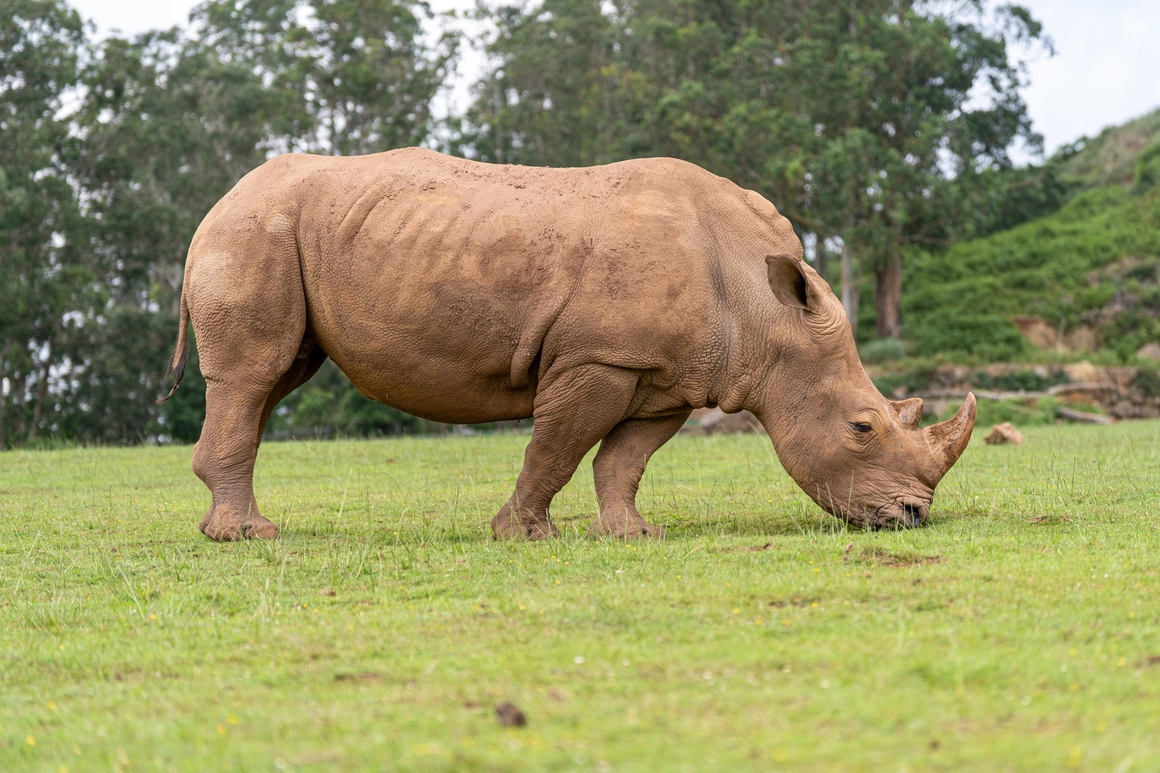
White rhinoceros
5 of 5
For many years, it was thought that the white rhinoceros had become completely extinct. However, it was not until the late 20th century that around a hundred rhinoceroses were found in South Africa. Since then, this species has lived in protected reserves on the continent to ensure its survival, and it is the only subspecies of white rhinoceros that is not considered to be in immediate danger.