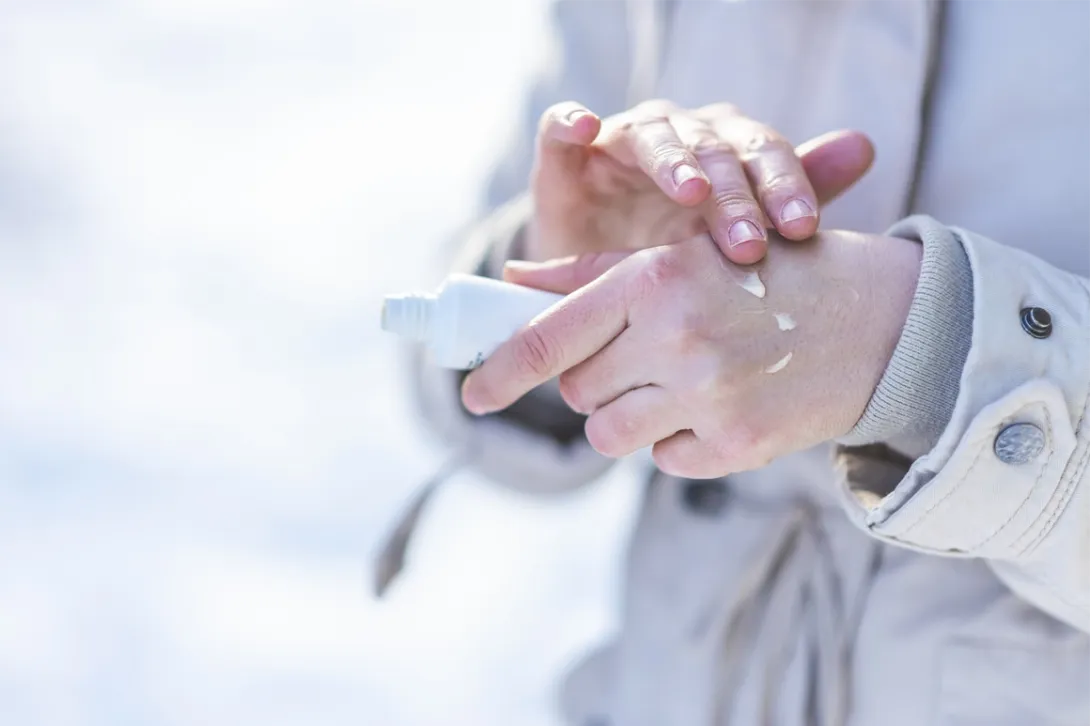
Why eczema appears in winter and how to relieve it
Cold temperatures and lack of humidity promote the appearance of eczema on the skin of areas such as the hands, face and neck, requiring treatment.
Eczema is a type of dermatitis that causes dryness, tightness and inflammation in different parts of the body. When it appears, it usually causes a burning sensation and a very annoying itch.
Winter can make this condition worse. Cold weather, low humidity and wind exacerbate skin irritation. The skin dries out more easily and becomes more vulnerable to redness and rashes.
Given all these factors, taking care of our skin during the cold months is essential to prevent rashes from flaring up and getting worse.
Why does eczema appear on the skin?
Eczema is a term that covers a range of skin conditions. The most common is atopic dermatitis, a chronic disease that causes the skin to become inflamed and irritated very easily.
There are several factors that can promote the appearance of redness and irritated skin. One of them is the abnormal reaction of the immune system to stimuli from the environment. When the skin comes into contact with irritants, the immune system identifies them as invading bacteria or viruses and activates the defence system.
As a result of this, skin inflammations appear that can lead to eczema. Some triggers are airborne pollutants, harsh soaps, or certain skin products.
Winter, an enemy of dry skin
Temperature changes also affect our skin. The dry winter air causes some areas of the body to become dry and itchy. On the other hand, heat and high humidity can cause sweating and make itching worse.
Other factors that also affect this are:
- Genes. People with a family history of eczema or dermatitis are more likely to develop it.
- Emotional factors. High levels of stress, anxiety, or depression make skin rashes more frequent and can exacerbate symptoms.
People with more sensitive skin are more likely to suffer from such redness and can develop more serious conditions.
The most sensitive parts of the body
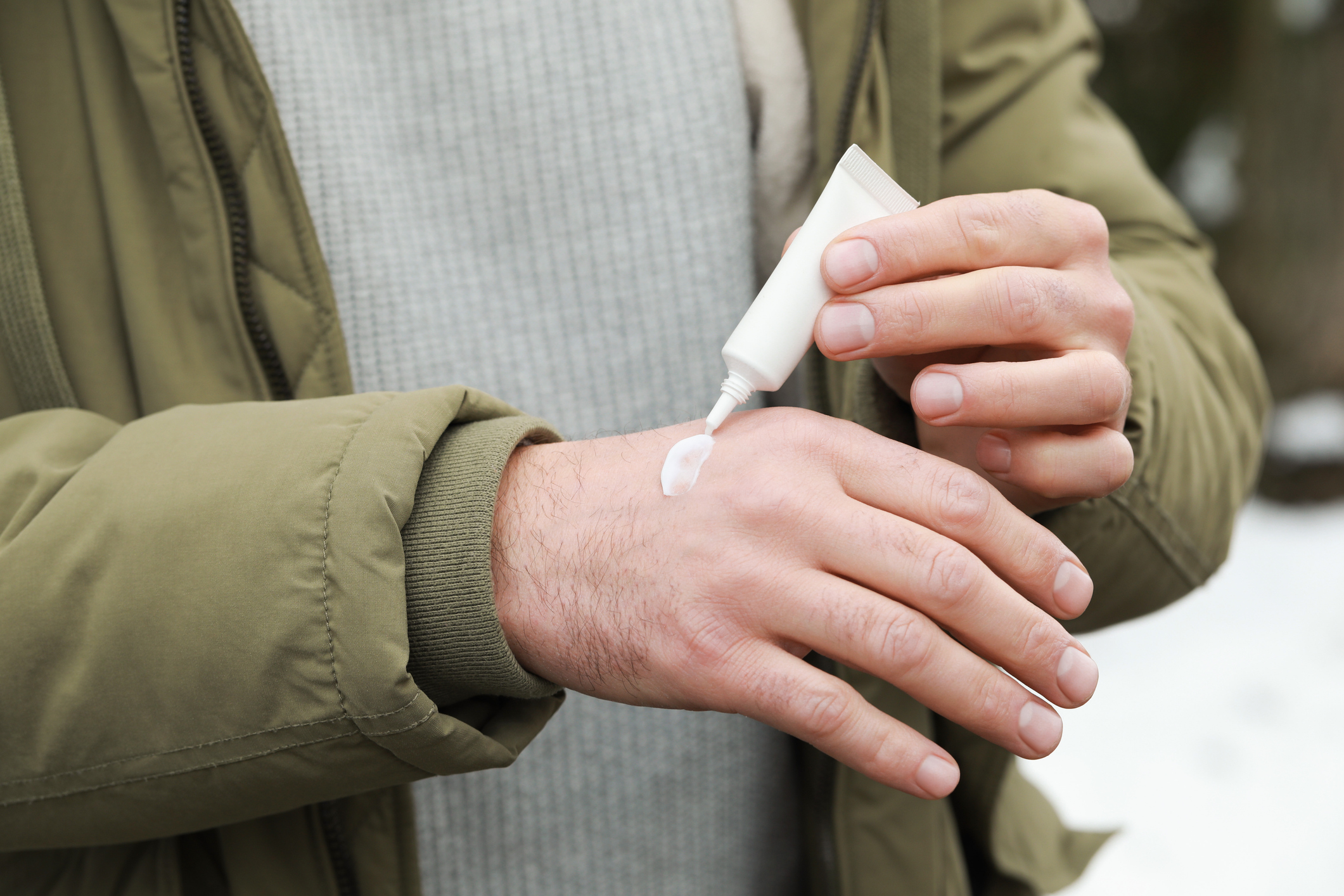
Symptoms of eczema can appear in any area. The most common places, particularly in winter, are the areas that are most exposed to the cold. For example:
- Hands
- Neck
- Face, especially the cheeks
- In and around the ears
- Lips
Skin lesions can also appear on the elbows, ankles, knees, and feet. These lesions are not contagious and, in most cases, do not hurt, but they do feel itchy. That's why it's important to avoid scratching, as this can increase redness, swelling, and cracking and can lead to scabs and scales.
How to take care of your skin in winter?
To control eczema flare-ups in winter, it is important to keep in mind a series of practical tips:
For those who are particularly sensitive to cold weather, it is advisable to keep the skin well hydrated, avoid sudden changes in temperature and follow a diet rich in vitamin C, antioxidants and plenty of water.
When to visit a doctor?
The low temperatures and lack of humidity in the winter months require us to take better care of our skin. In this season, eczema is more likely to get worse, so controlling skin lesions can help to avoid painful fissures and more intense flare-ups.
In cases of spontaneous skin eczema, taking care of the skin and keeping it hydrated is usually enough to reduce itching and sensitivity. However, when flare-ups are bothersome and cause discomfort or complications, it is important to see a dermatologist.
If symptoms do not improve with basic care or interfere with daily life, consulting a specialist is advisable.