What do we mean by 'core' and how can we train it?
If you've heard of core training, but don't know what it refers to, you've come to the right place. We will explain everything you need to know.
Pointing out the importance of regular physical exercise to enjoy good health is hardly controversial. About 30 minutes of exercise a day can help you gain strength, reduce your risk of heart disease, improve your mood, and keep the flu away.
In recent years, going to the gym has become quite a challenge, especially if English is not your first language. Fitness, squats and HITT are already part of an international vocabulary, even if we don't all know what they refer to exactly. Today, we will explore one of the currently trending concepts: the core.
What is the core?
Core is synonymous with 'center' or 'essential'. As an anatomical term, it refers to the central area of the body, which encompasses a total of 29 muscles, located in the abdomen, lower back, pelvic floor, hip, buttocks, diaphragm, and spine. These muscles play a key role in our stability.
In the field of fitness, the concept of core has been extended to include the range of exercises that are performed to tone this area of the body.
Why should you train your core?
Core workouts have many health benefits:
- They will help with your daily tasks, by training a key part of the body that is involved in most of our daily activities.
- Strengthening the muscles around your spine ensures your body weight isn't supported only by your bones, as that could wear them down.
- Core training provides the strength needed for your day to day, as this set of muscles provides much of our workaday endurance.
- Improved balance and stability, thanks in part to toning your hip muscles.
- Better protection for your internal organs. Improved breathing and good postural support provided by stronger abdominal muscles.
- Good posture, avoiding the consequences that otherwise could ensue, thanks to your work on the lumbar muscles.
- You will avoid injuries, particularly if you practice sports.
- Core training can be included in rehabilitation programmes, helping you to recover the full use of this area of the body.
5 exercises to train your core

Abdominal plank
1 of 5
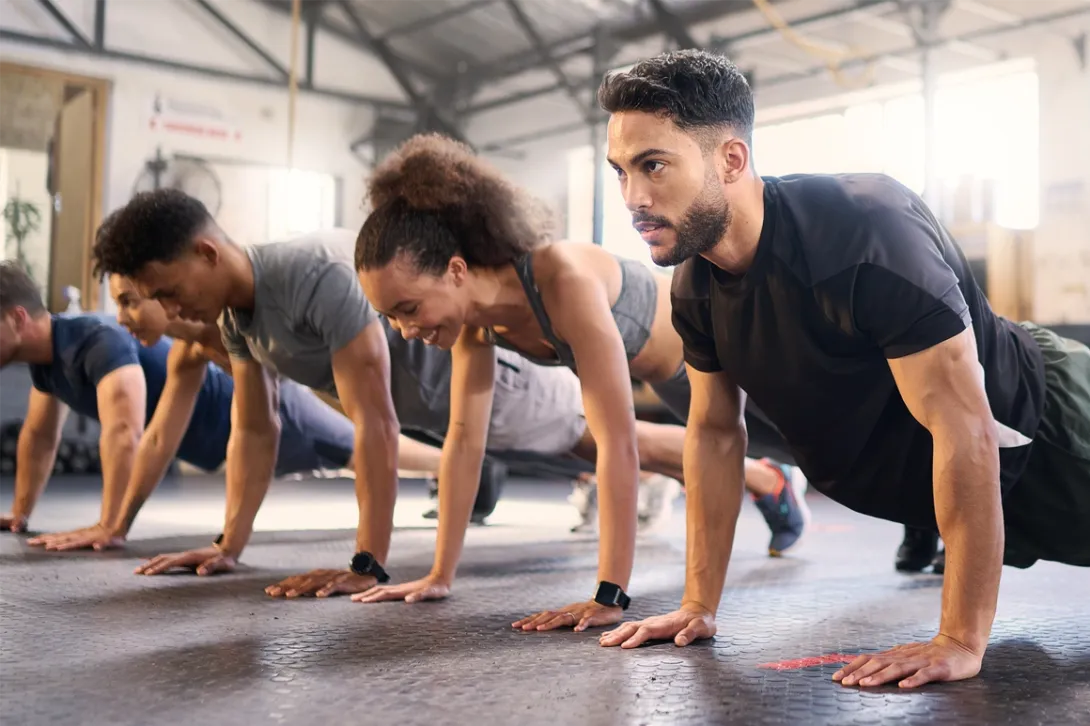
The abdominal plank is one of the most thorough core exercises. Lie face down, with your elbows on the floor, at shoulder height, and rest your weight on the balls of your feet. You should contract your abdomen and keep your back straight. Hold for 30-60 seconds.
Mountain climbers
2 of 5
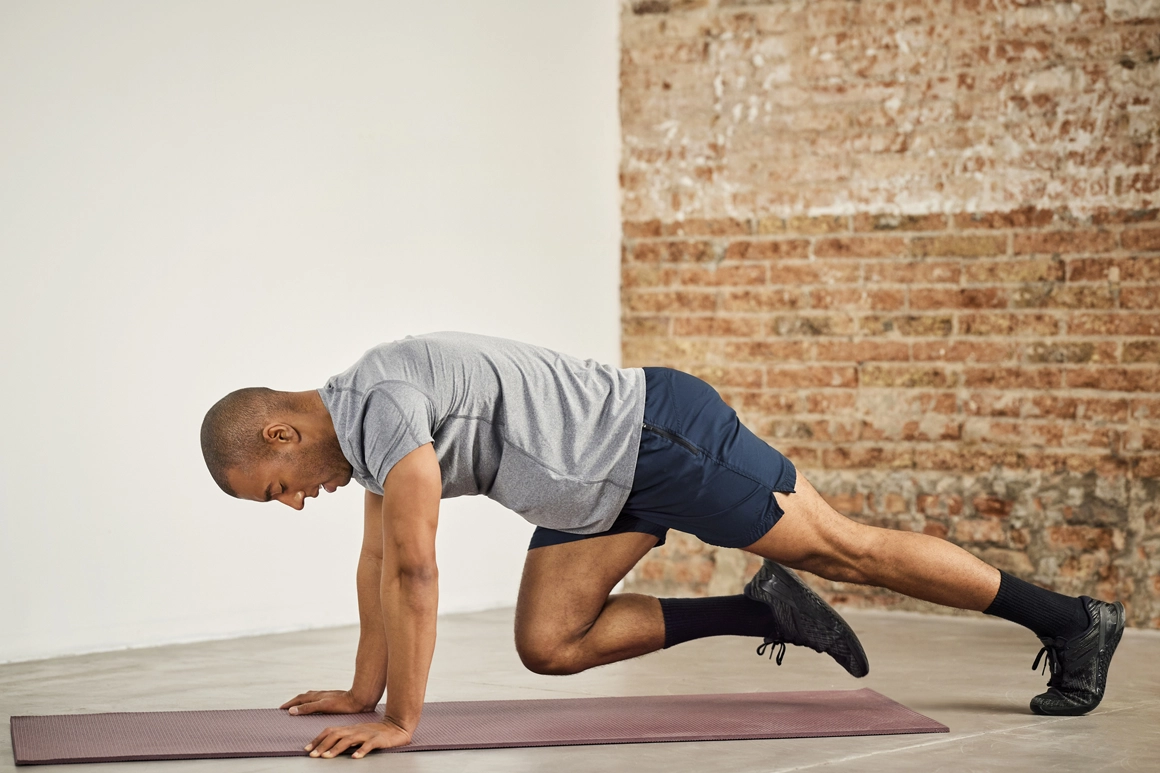
If you want to improve coordination, we recommend mountain climbers. Once again, lie on your stomach, with your body weight supported by your hands and arms (fully extended) and the balls of your feet. Keeping your torso straight, raise your right knee diagonally toward your left elbow and vice versa. Repeat several times.
Leg Raises
3 of 5
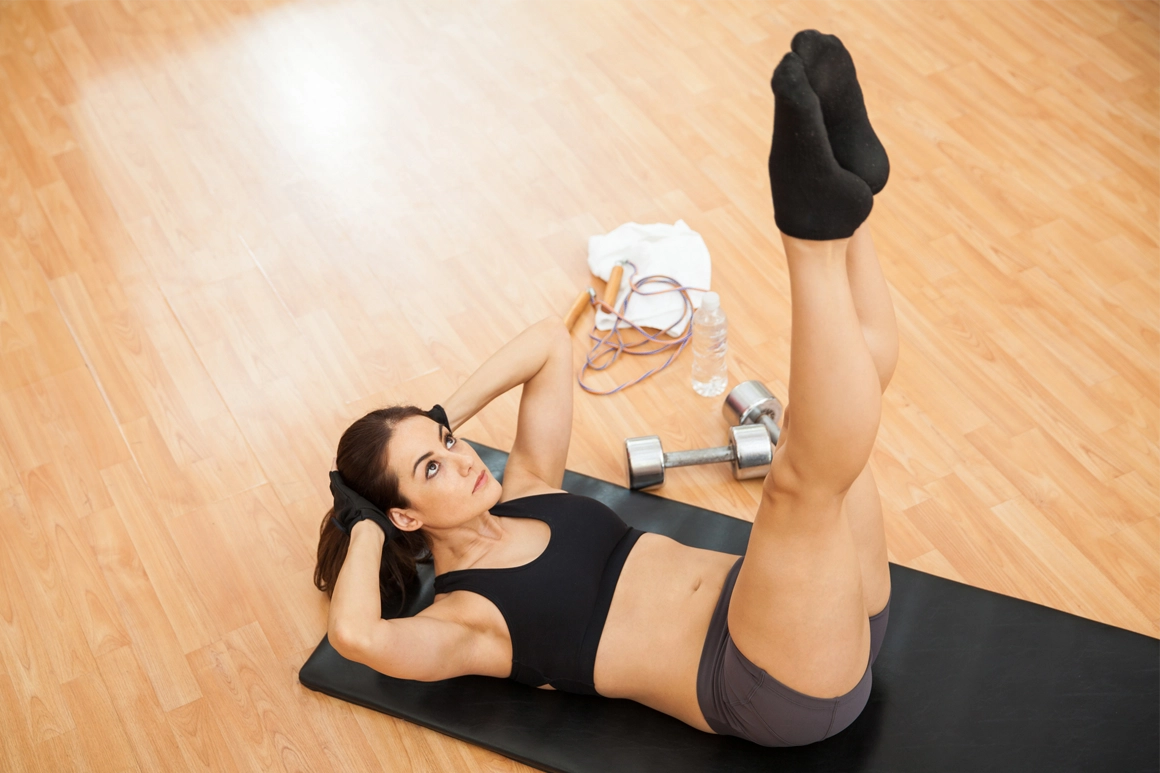
Lie with your back on the floor. With your arms close to your body, lift both legs while your back stays firmly on the floor. If you want, raise your upper body and reach for your toes with your hands. Also known as the hollow hold, this exercise will allow you to work your abs.

Bicycle
4 of 5
The bicycle enables you to improve your upper and lower body coordination. To do this exercise, lie on the floor and place your hands behind the back of your neck. Bend your legs and lift your trunk until it your knees form a right angle. Bring one elbow into contact with the opposite knee while extending the opposite leg and then repeat with the other side.
Military low crawl
5 of 5
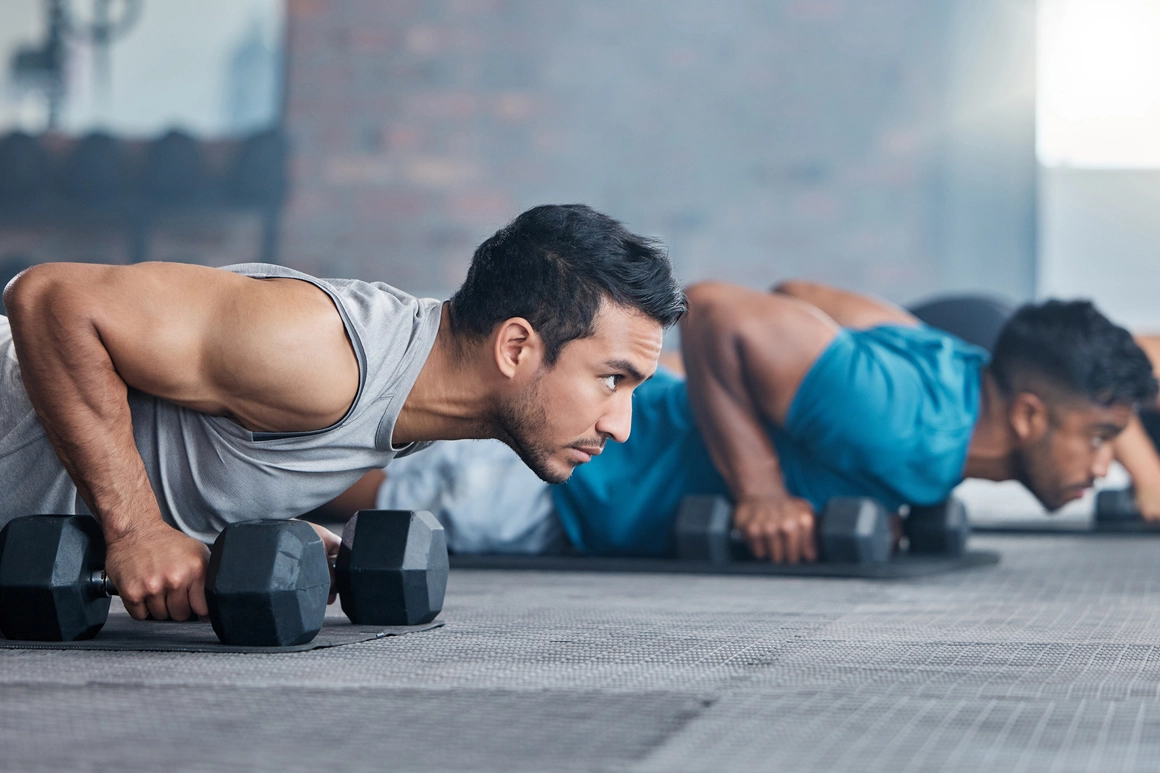
Resembling actual military training, you should lie on the ground with your body straight and firm. Then crawl across the ground using only your elbows. You can also hold dumbbells in your hands if you find that easier. Repeat several times.