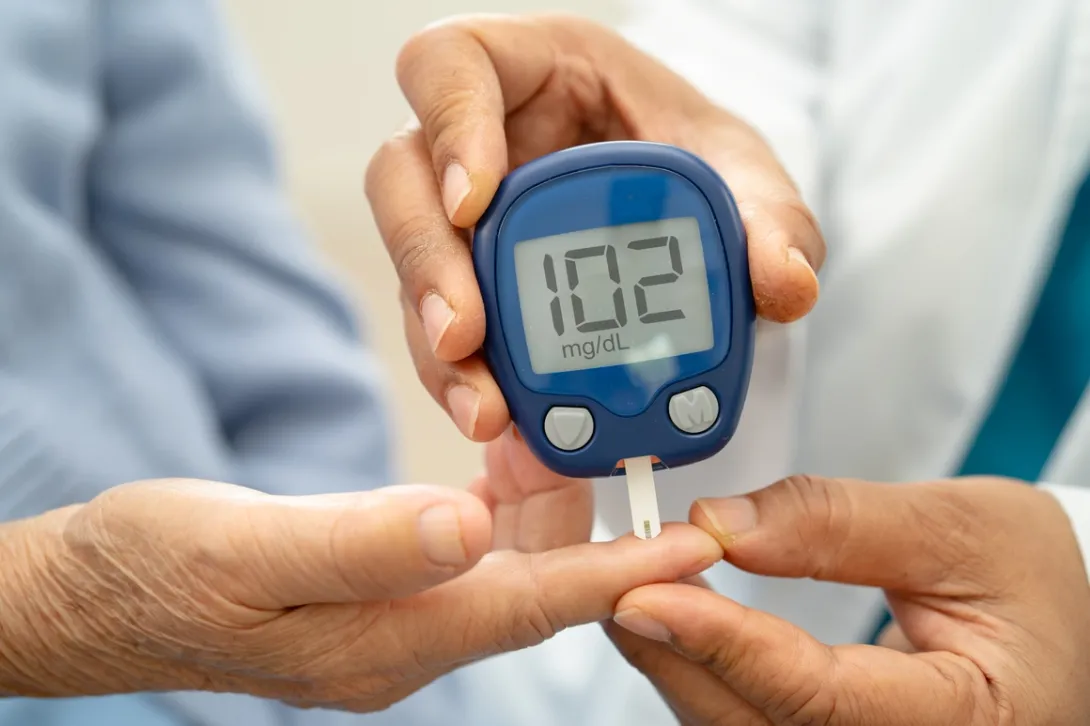
I’ve been diagnosed with diabetes, what now?
It is estimated that 1 in 9 adults worldwide lives with diabetes. Living with this condition involves making changes to your diet and lifestyle.
Diabetes is a condition caused by an imbalance in blood glucose levels. This is due to a disruption in the action of insulin, the hormone produced by our bodies that regulates the amount of sugar in the blood. When it is not properly managed, this condition can lead to cardiovascular complications and damage to certain organs.
In Spain, diabetes affects between 5 and 10 per cent of the general population, according to figures from the Ministry. The likelihood of developing this condition increases with age, overweight and a sedentary lifestyle.
For many people, receiving a diagnosis of diabetes can be overwhelming news that causes a great deal of uncertainty. It is common to have doubts and questions about how to cope with this new situation, what changes to make to one’s routine, or what treatment to follow. For this reason, being well-informed is essential, as is having the support of those around you and healthcare professionals.
What should I do if I am diagnosed with diabetes?
After receiving the diagnosis, the most important thing is to stay calm and avoid panicking. Most people with diabetes can lead a full and stable life if they follow the lifestyle and treatment plan prescribed by a doctor.
Furthermore, during the first few months following diagnosis, it is important to familiarise yourself with the basics of diabetes, as understanding the condition makes it easier to adapt and helps you cope more confidently with the changes it may entail.
First step: learning to distinguish between the different types of diabetes
The most common type among patients is type 2 diabetes. Global figures indicate that around 90 per cent of people diagnosed have this condition, according to data from the Spanish Diabetes Society.
However, there are also other types of this disease, such as type 1 diabetes and gestational diabetes. These are the main differences between each of them, according to the Ministry of Health:
- Type 1: this is an autoimmune disease that occurs when the immune system destroys the cells in the pancreas responsible for producing insulin. As a result, the body stops producing this hormone.
- Type 2: this occurs when the body develops insulin resistance or fails to produce the amount needed to maintain adequate blood glucose levels.
- Gestational: this can develop during pregnancy in women with no previous insulin-related problems. Although it usually disappears after childbirth, it is important to follow medical advice to reduce the risk of developing type 2 diabetes in the future.
Treatment according to the type of diabetes
All these conditions affect the way the body uses insulin and regulates blood sugar levels. However, each one has different characteristics, so treatment also varies.
Three keys to living with diabetes
Day-to-day life with this condition involves making some changes to your routine to keep your blood glucose levels under control. Adopting healthy habits can make a big difference to both your physical and emotional wellbeing.
- Healthy eating: following a balanced diet helps keep blood sugar levels stable. It is recommended to prioritise vegetables, pulses, fish, whole grains and healthy fats, and to limit foods with a high glycaemic index. In any case, it is advisable to consult a healthcare professional to tailor your diet to your individual circumstances.
- Staying active: regular physical exercise helps to lower blood glucose levels and improve overall health. Walking, cycling, swimming or even simply increasing your daily physical activity can be beneficial.
- Having regular check-ups: medical check-ups are essential for monitoring the condition, adjusting treatment where necessary and preventing potential complications.

Future consequences if this condition is left untreated
People with diabetes may develop other long-term health problems if they do not control their blood glucose levels. These are some of the complications mentioned by the Ministry of Health:
- Damage to the retina of the eyes.
- Damage to the kidneys.
- Damage to the skin, the nervous system and the immune system.
- Damage to the blood vessels.
- Increased risk of heart attack or stroke.
Conversely, adopting healthy habits, managing blood glucose levels and following the treatment plan prescribed by a healthcare professional can help reduce long-term complications.
Beyond diabetes: adaptation and prevention
The first few months after receiving a diagnosis are often the most challenging, as they involve beginning a process of adaptation, changes to daily routines and ongoing learning. There is no cure for type 1 or type 2 diabetes, although there are ways to manage it and lead a full life.
It is important to seek the support of healthcare professionals to help design a diet and exercise plan tailored to each individual, as well as the most appropriate treatment for each case.
In addition to physical care, the diagnosis and management of diabetes can also have an emotional impact. Therefore, having the support of family members and close friends can make the process more bearable and, if necessary, it may also be helpful to seek the support of a mental health professional.