Travelling to the World Cup venues
The World Cup has provided the perfect opportunity for Mexico to showcase to the world the attractions of three of its most iconic cities.
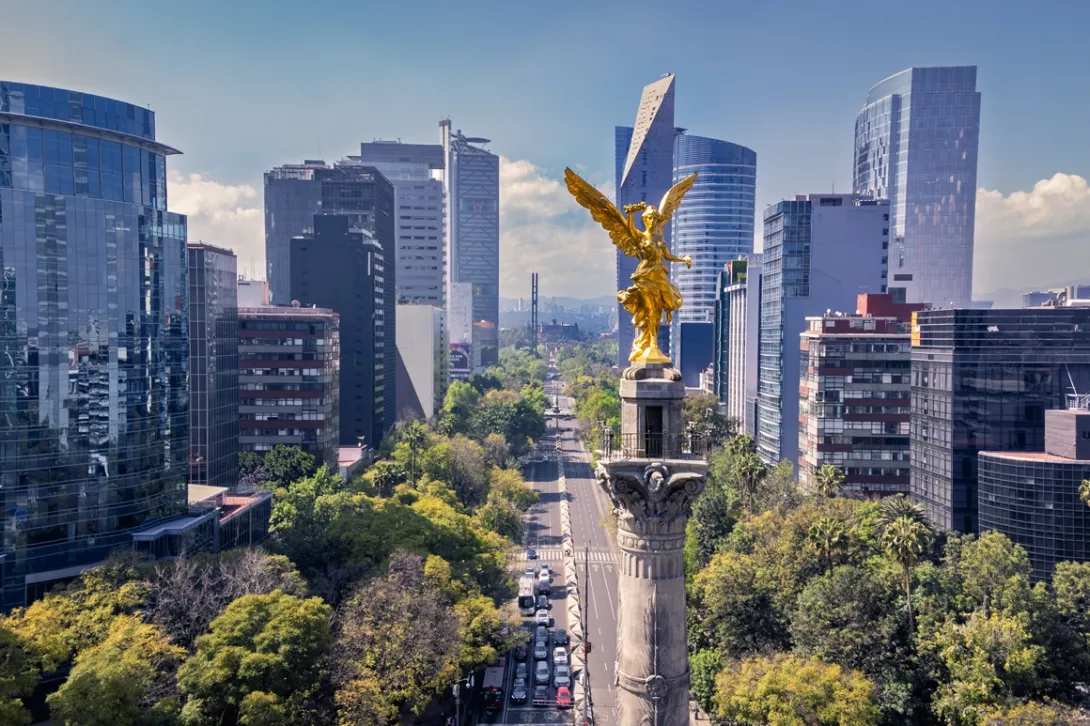
With a total of 48 teams, the 2026 World Cup has become the longest in history, as well as the first to be organised by three countries: Canada, the United States and Mexico. Millions of spectators from all over the world have had the chance to see not only the impressive stadiums, but also the spectacular atmosphere in the three host cities for the qualifiers: Mexico City, Guadalajara and Monterrey.
There will be no shortage of people who, drawn by the show, will be tempted to embark on a journey that begins in the capital. The heart of the city lies in the Zócalo, one of the largest squares in the world, flanked by the Metropolitan Cathedral and the National Palace. Other must-see attractions include the National Museum of Anthropology and the Pyramids of the Sun and the Moon, in the archaeological site of Teotihuacán, on the outskirts of the city.
Guadalajara, where the legacy of the era of the Spanish viceroys is very present, surprises visitors with its historic pink stone buildings, Baroque churches and colonial squares. Here, in the birthplace of tequila and mariachis, be sure to visit traditional neighbourhoods such as Tlaquepaque or Hospicio Cabañas, where murals by José Clemente Orozco have been preserved.
The final stop will be Monterrey, a metropolis of glass-fronted skyscrapers completely surrounded by the gigantic rock formations of the Sierra Madre Oriental. It is the perfect base for daytrips that dive into this country’s spectacular natural landscapes.
World Cup venues
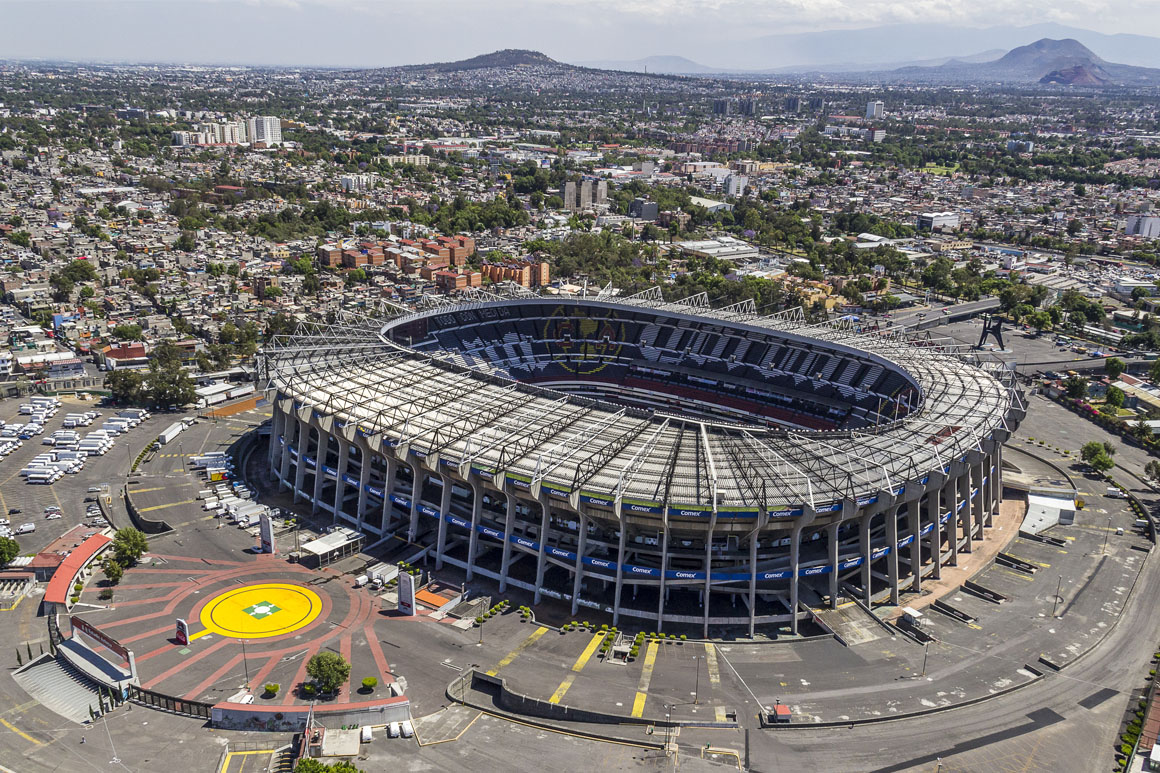
Azteca
Having hosted three World Cups, this giant of the capital is one of the most legendary stadiums for football fans around the world. After taking the official tour, you can enjoy the atmosphere whilst eating tacos de canasta on the esplanade outside.
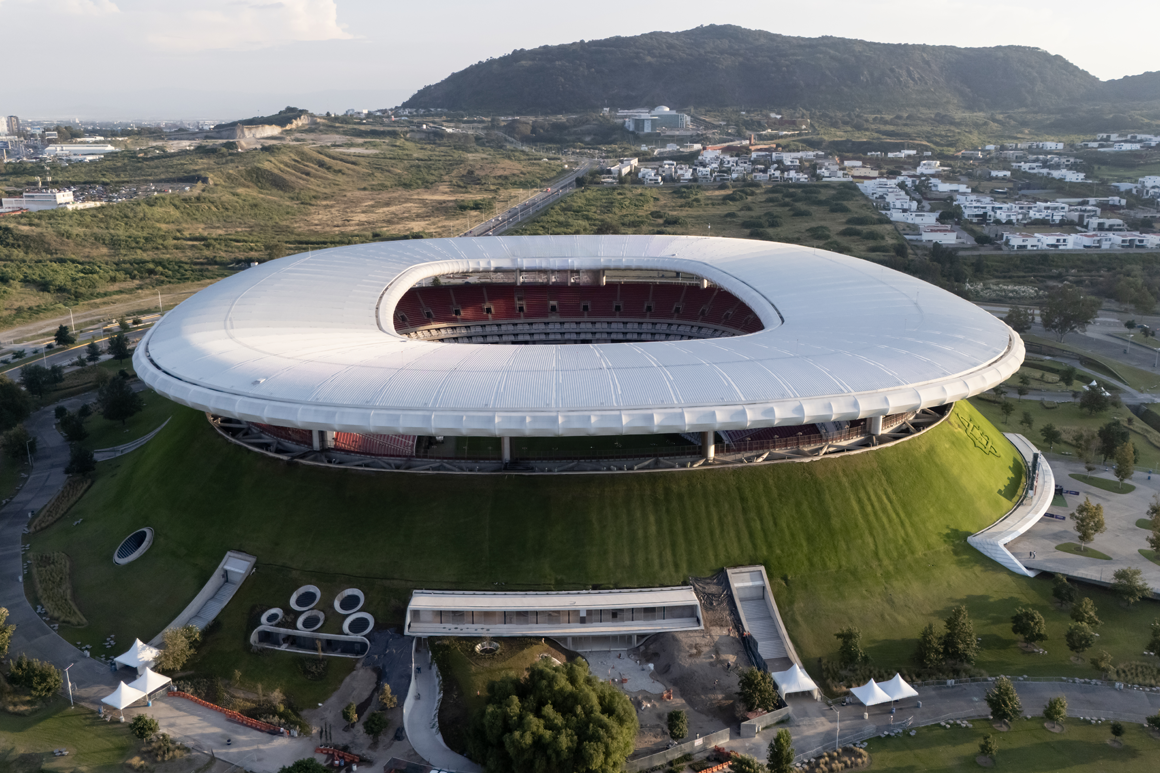
Chivas
The innovative architecture of the Chivas stadium resembles an artificial volcano entirely covered in natural grass, blending seamlessly into the Guadalajara landscape, and is crowned by a large, floating white roof that resembles a cloud.
Guadalajara
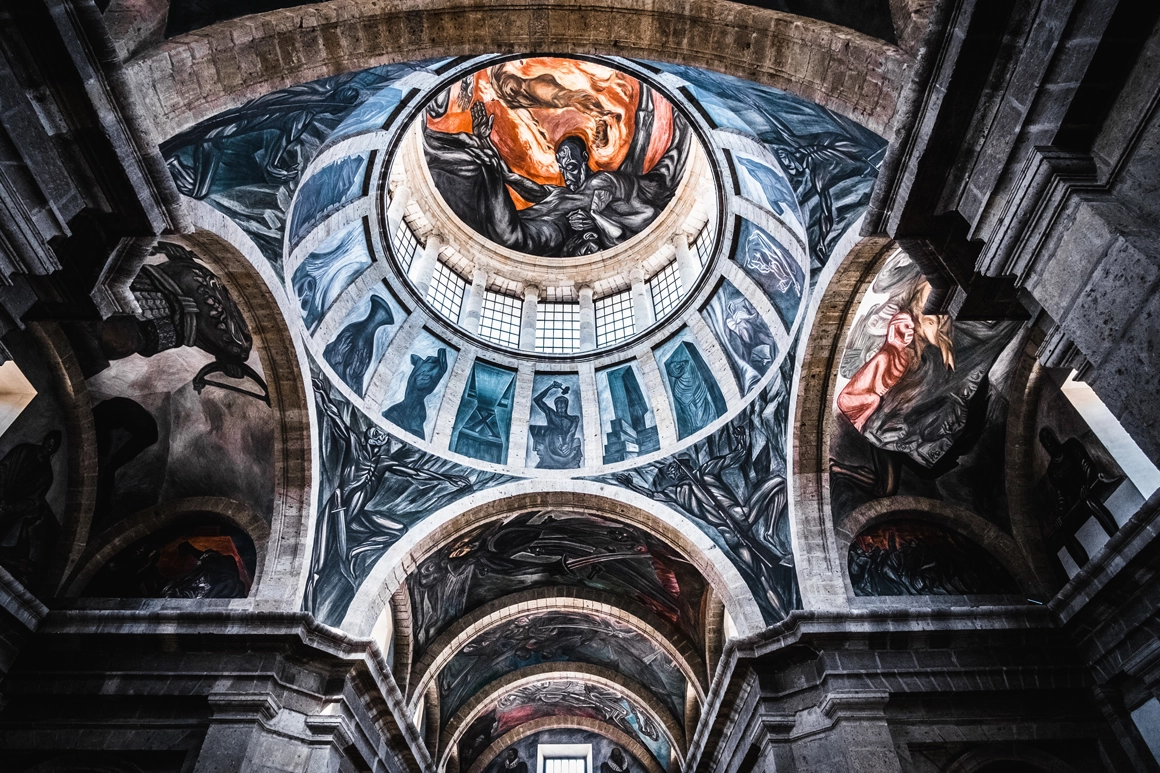
Hospicio Cabañas
1 of 8
This World Heritage Site houses the work of José Clemente Orozco, one of the leading figures of Mexican muralism, alongside Diego Rivera and David Alfaro Siqueiros.
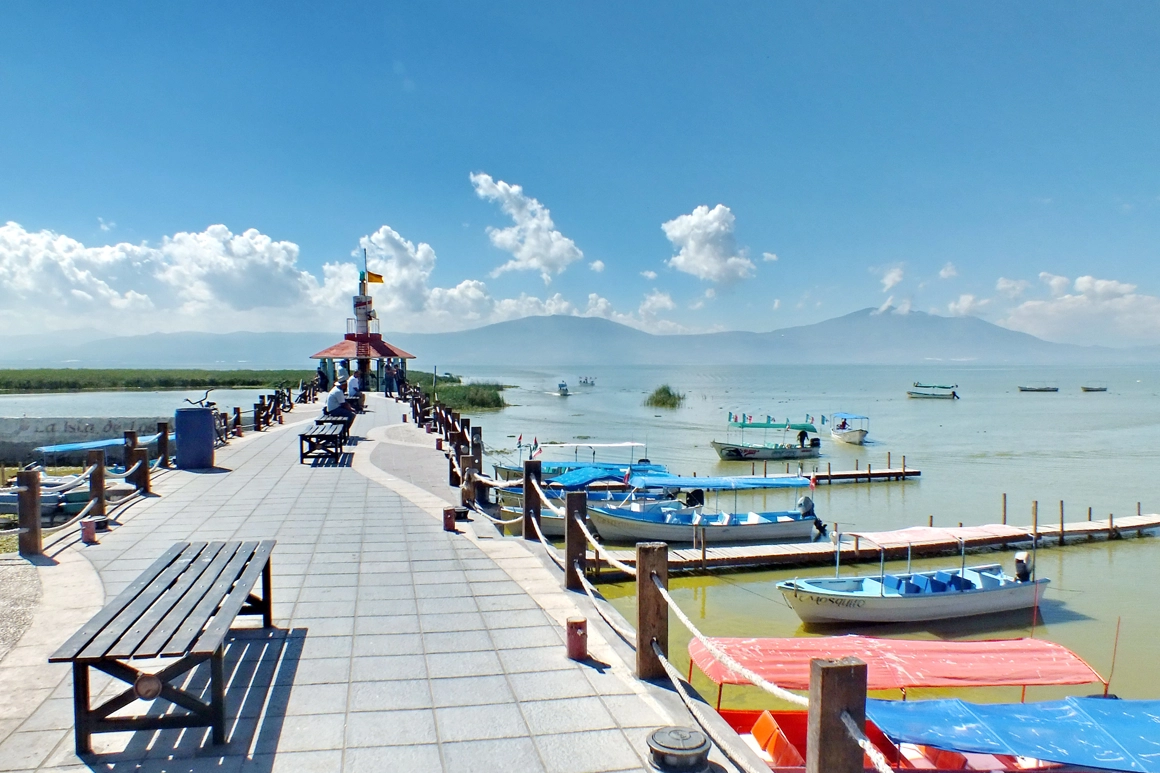
Lake Chapala
2 of 8
Just a short distance from Guadalajara, Mexico’s largest lake offers an unforgettable natural retreat, with its tranquil waters framed by mountains and lakeside villages.
Tlaquepaque
3 of 8
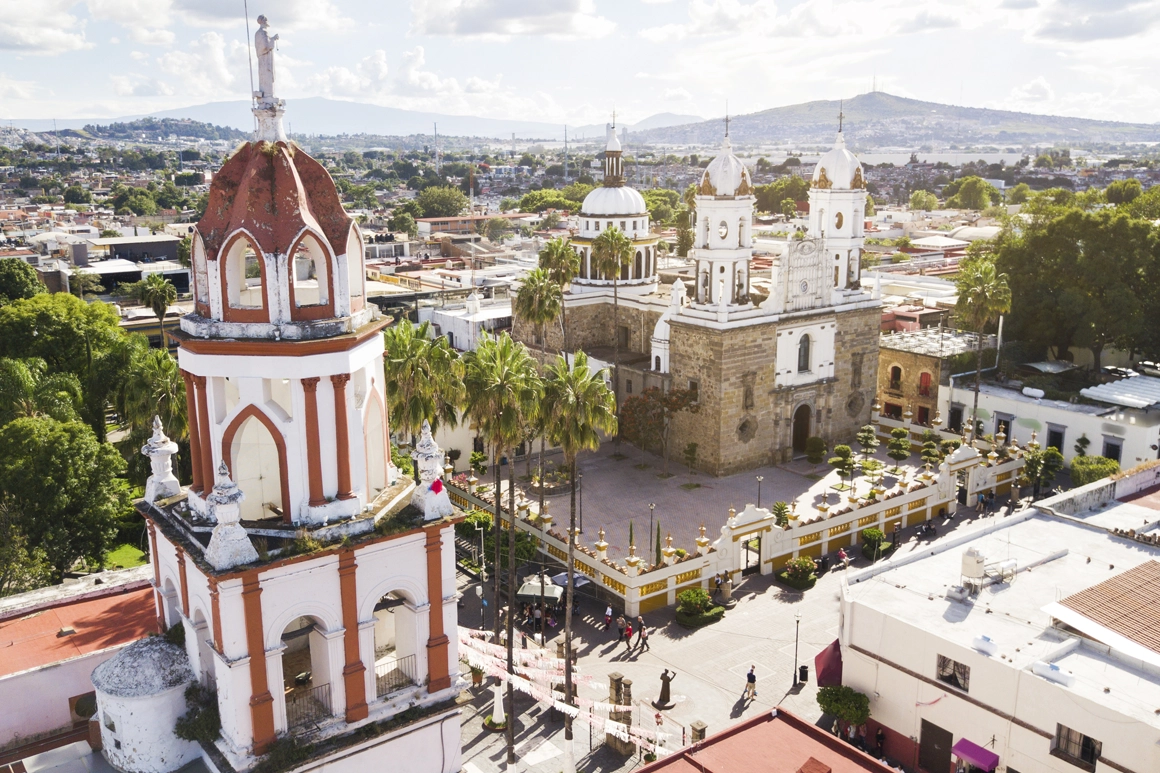
This traditional neighbourhood in the capital of Jalisco invites visitors to stroll through its pedestrianised streets, discover pottery workshops and listen to mariachi bands.
La Huasteca Canyon
4 of 8
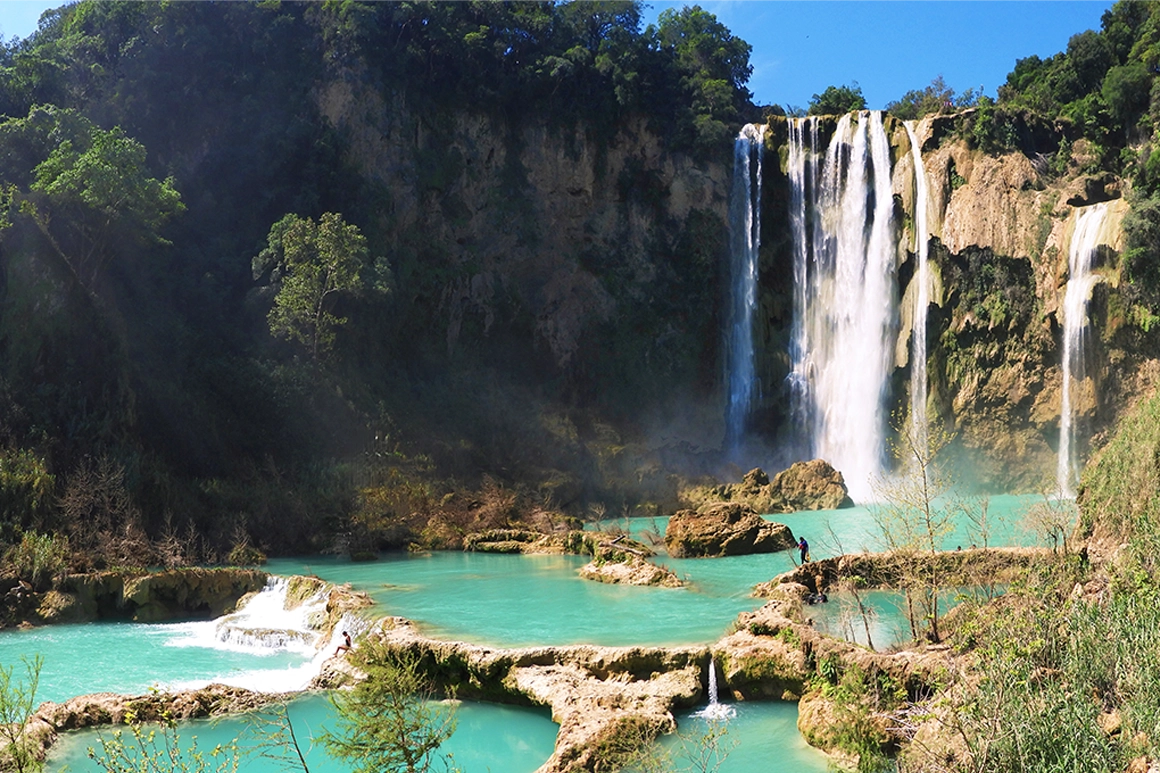
This impressive limestone labyrinth in the Sierra Madre Oriental is one of the most appealing day trips you can take from Monterrey, whether you’re hiking along its many trails through an arid, wild landscape or climbing its rugged rock formations.
Monterrey
5 of 8
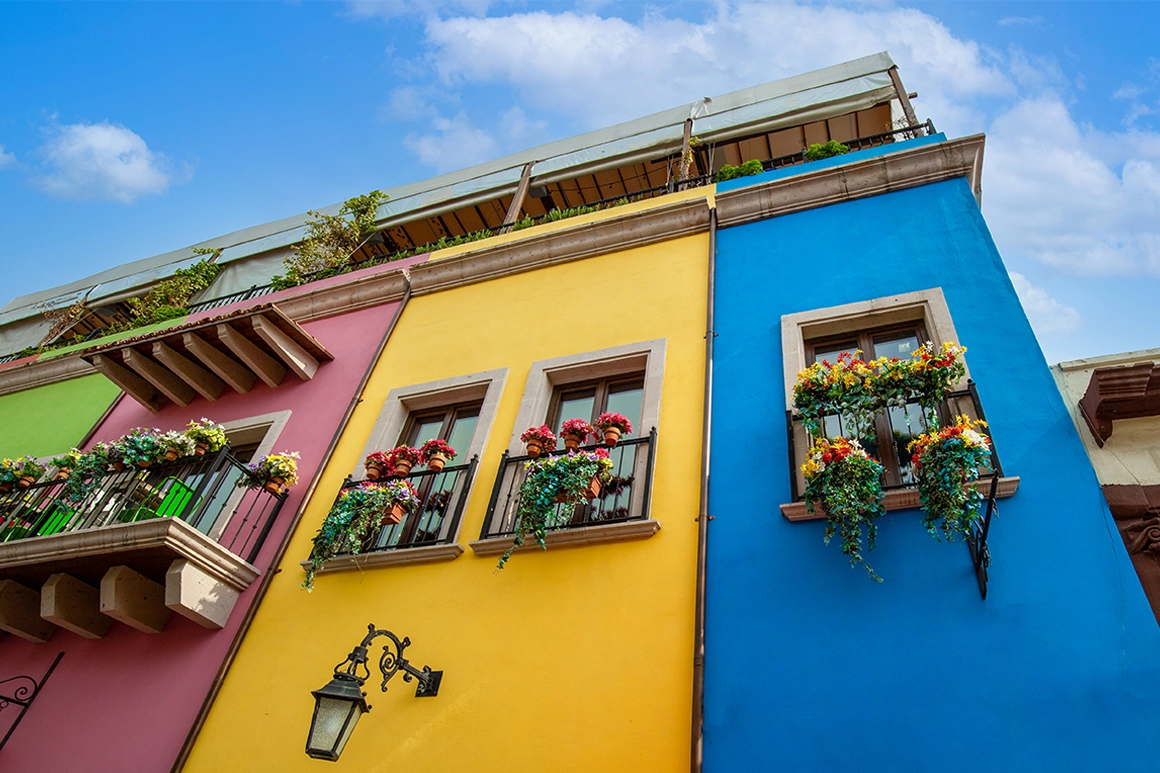
The capital of Nuevo León flourished thanks to its many businesses and its long-standing brewing tradition, which dates back to 1890 – an industry so powerful that it drove the creation of the city’s foundries and glassworks. Here, it would be a pity not to try the star dish of its cuisine, cabrito (suckling goat); in the evenings, there’s nothing like heading to the Barrio Antiguo, a labyrinth of old mansions brimming with live music venues.
Wrestling
6 of 8
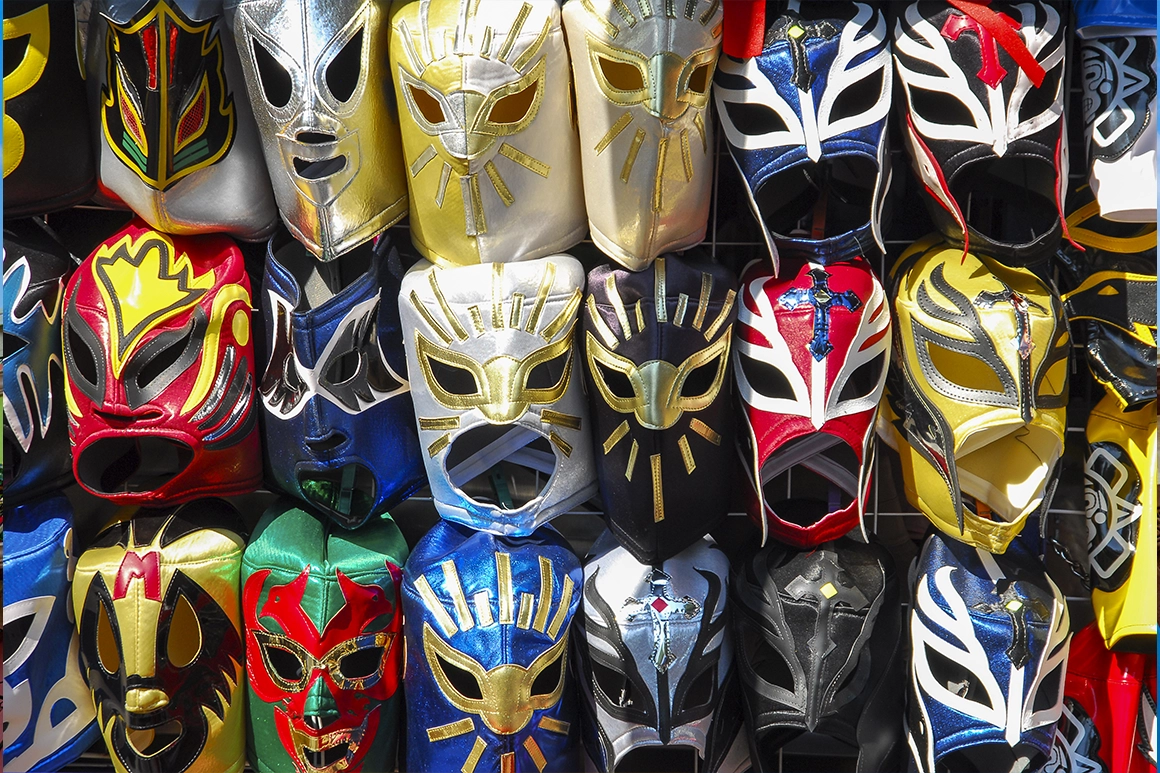
Declared a Cultural Heritage, Mexican wrestling, renowned for its acrobatic moves, triggers passion across the country, particularly in Mexico City, Guadalajara and Puebla.

Food
7 of 8
Mexican cuisine blends pre-Hispanic ingredients such as sweetcorn, chillies and frijoles (black beans) with centuries-old techniques; from street vendor tacos to the complexity of mole sauce, it is all a feast of flavours.
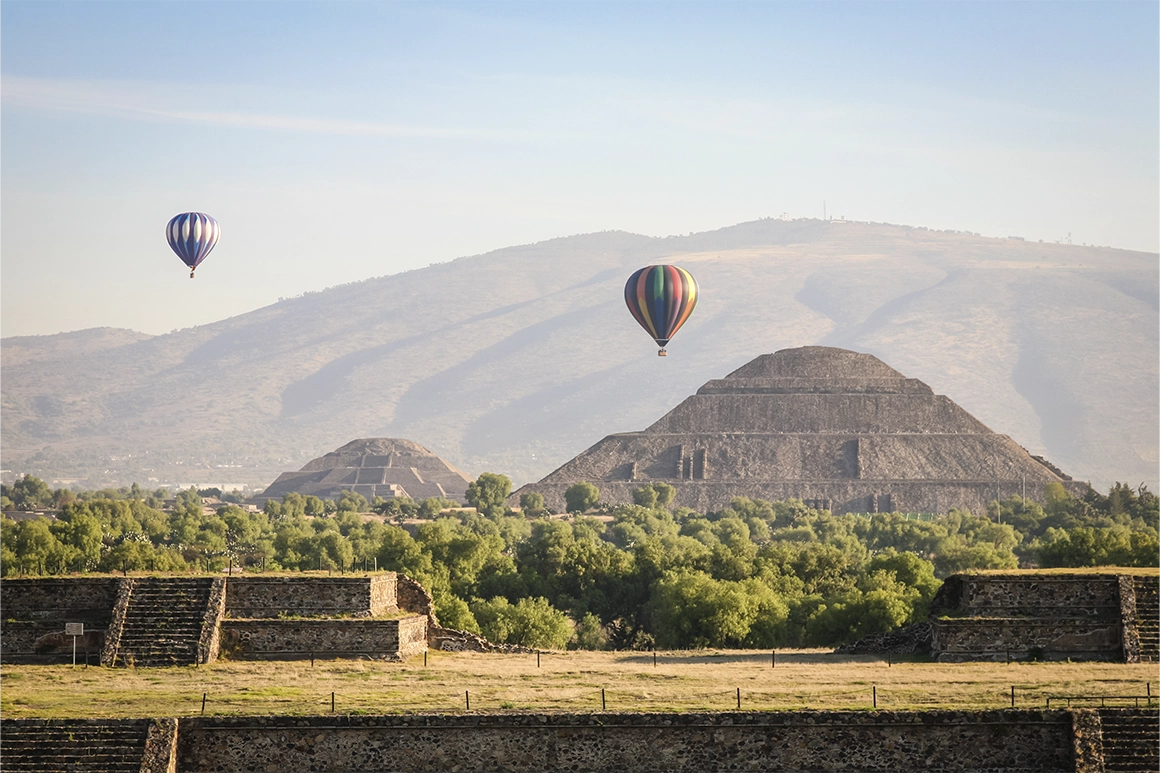
Pyramids of Teotihuacán
8 of 8
Ubicadas a menos de una hora de Ciudad de México, las pirámides de Teotihuacán, Patrimonio de la Humanidad, son los restos de una de las mayores metrópolis del mundo antiguo. Este imponente complejo arqueológico está conectado por la Calzada de los Muertos, un eje que une la imponente Pirámide del Sol, una de las más grandes de América, con la Pirámide de la Luna y el Templo de la Serpiente Emplumada. Para visitarlas, es necesario llevar calzado cómodo para caminar entre sus plazas, así como madrugar para evitar el intenso calor; también es posible descubrirlas al amanecer en un globo aerostático.