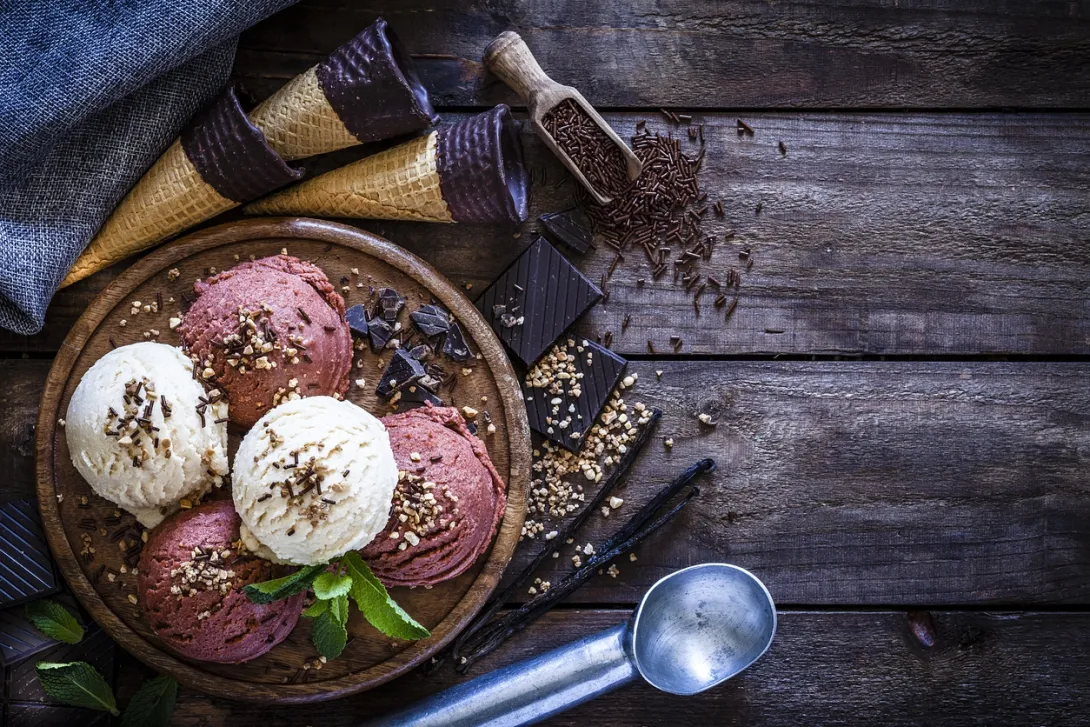
Homemade ice cream to cool down the summer
Whether made with fruit, yoghurt, in a Magnum-style format or with less sugar, homemade ice cream is a healthier alternative that can be adapted to suit individual tastes.
After a summer lunch or dinner, few things are more appealing than opening the freezer and reaching for an ice cream. However, it is advisable to enjoy them in moderation, as many contain high levels of sugar and fat, as well as other ultra-processed ingredients. As a result, more and more people are looking for alternatives with a better nutritional profile without compromising on flavour.
Fortunately, there is a healthier way to enjoy this classic summer treat: homemade ice cream. Not only is it easy to make, but recipes can also be adapted to suit different tastes and preferences. They also provide an opportunity to use more nutritious ingredients, reduce sugar intake, avoid unnecessary additives and make the most of fresh, high-quality produce.
A brief history
Although ice cream has been a summertime favourite for generations and, for some, a year-round indulgence, it did not become widely available until the 1950s. Before then, it was considered a luxury enjoyed by only a privileged few.
Its origins, however, date back much further. Historians trace some of its earliest predecessors to ancient Persia, where people were already enjoying frozen desserts made with ice, fruit and sweet syrups more than 2,500 years ago.
To preserve ice throughout the year, the Persians built structures known as yakhchals, capable of producing and storing ice even in arid desert regions. Thanks to this remarkable innovation, some of the earliest sorbets and frozen desserts emerged, a tradition that later spread across the Middle East and Europe before evolving into the ice cream we know today.
Choose natural ingredients
Making homemade ice cream does not mean sacrificing flavour or settling for bland recipes. There are countless ways to prepare it, from light fruit sorbets and ice lollies to traditional creamy ice cream and chocolate-coated varieties. One of the greatest advantages of making it at home is the ability to adapt recipes to personal tastes using almost any ingredients already in the fridge.
What to consider when making homemade ice cream
One of the simplest ways to make homemade ice cream is by blending frozen fruit with Greek yoghurt. However, some fruits contain a high water content, which encourages the formation of ice crystals and can result in a less creamy texture.
To achieve a smooth consistency similar to that of traditional ice cream, keep the following tips in mind.
- Choose fruit with a lower water content. Bananas and mangoes, for example, help create a creamier texture and improve consistency.
- Cook certain fruits beforehand. This is particularly useful for fruits with a high water content, such as watermelon, strawberries and peaches. Cooking them with a little sugar helps reduce moisture and intensify their flavour.
- Do not eliminate sugar entirely. Sugar plays an important role in preventing the formation of ice crystals, helping the ice cream stay smooth and creamy.
- Add a dairy ingredient. Cream, cottage cheese and Greek yoghurt all contribute to a richer texture.
- Use gelatine. Unflavoured gelatine acts as a stabiliser. It helps the ice cream maintain its structure, improves its texture and slows down melting.
2 homemade ice cream recipes
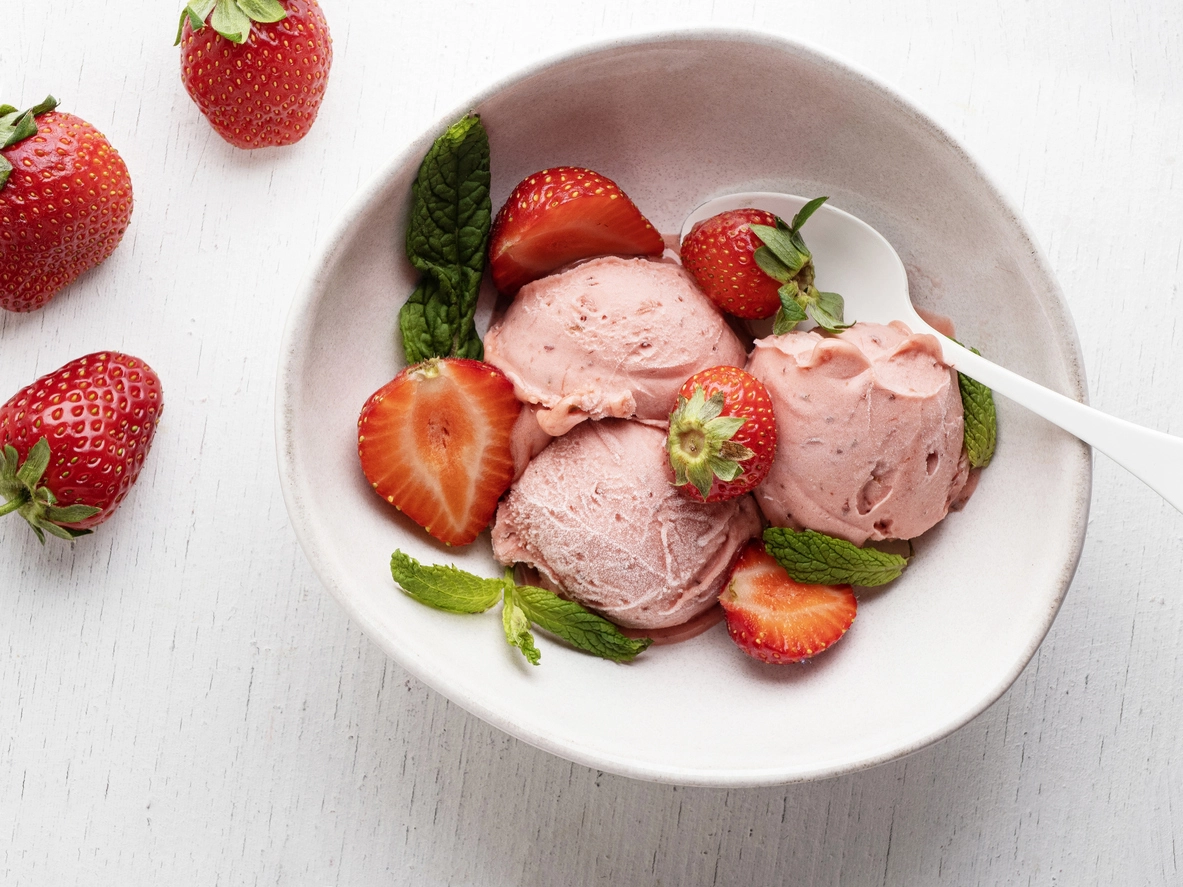
Traditional creamy ice cream
1 of 2
Ingredients
- 500 g frozen mango or banana
- 200 g strawberries or any other fruit
- 150 ml chilled double cream
- 100 g sugar
- Juice of ½ lemon
``
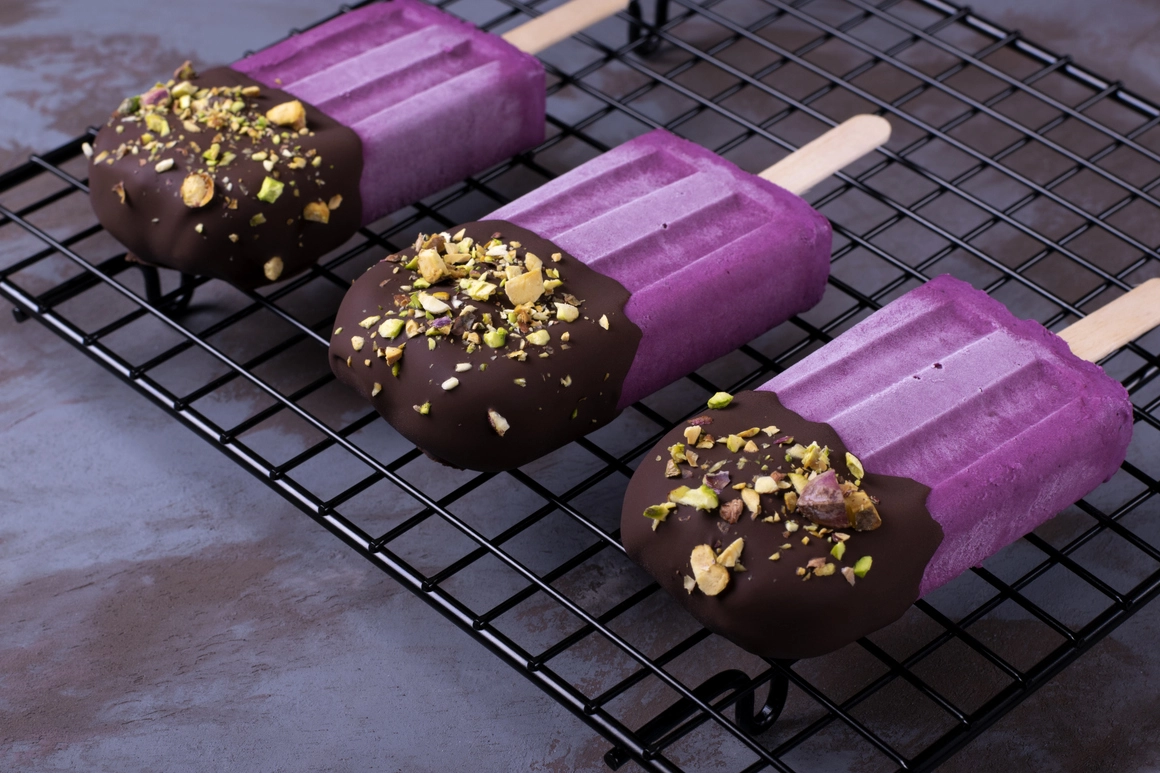
Magnum-style ice cream
2 of 2
Ingredients
- 200 g strawberries or any other fruit
- 270 g Greek yoghurt or skyr
- ½ tablespoon vanilla extract or 1 vanilla pod
- 80 g sugar
- Juice of ½ lemon
- (Optional) 2 chocolate bars of your choice
You will also need ice cream moulds and wooden sticks.