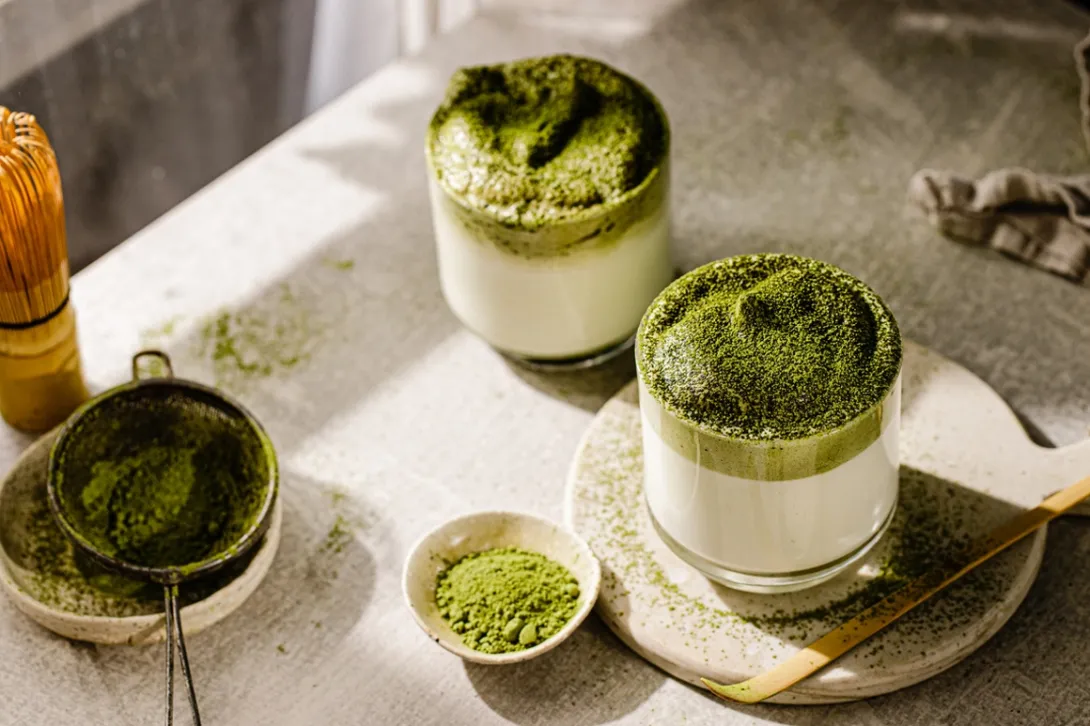
Matcha tea: a fad or a healthy beverage?
Matcha tea is fashionable, but it is a Japanese tea that has been consumed for centuries. Its nutritional value has made it a drink associated with health.
Matcha tea has become one of the trendiest beverages. There are more and more places where it is offered in all its versions: on its own, with milk, cold, in smoothies and even in desserts. Its popularity, in part, is due to its attractive appearance and healthy image. But is it really as healthy as it seems?
What is matcha tea?
Matcha tea is a variety of Japanese green tea or, rather, a specific way of preparing and enjoying tea leaves. In matcha tea, the whole leaf is consumed in powdered form, unlike traditional green tea, where the leaves are infused and then discarded. Matcha tea contains active compounds such as antioxidants, caffeine and amino acids, in higher concentrations than in conventional green tea. As a result of this, it usually provides greater benefits.
Both matcha and green tea come from the same plant, Camellia sinensis, although the cultivation and processing are different. To produce matcha, the shrubs are grown in the shade for 3-4 weeks before harvesting; this triggers an increase in the content of chlorophyll and amino acids such as L-theanine.
The benefits of matcha tea
The most remarkable benefits of this beverage are:
- Antioxidant power, thanks to its content in catechins (such as EGCG or epigallocatechin gallate), substances that help fight oxidative stress and prevent related chronic diseases.
- Reduction of cardiovascular risk factors, such as the decrease in total and LDL cholesterol, the regulation of blood pressure, etc. This can help prevent atherosclerosis and metabolic problems.
Improved cognitive function, thanks to caffeine and L-theanine, as it seems that this combination provides energy in a more stable way, and promotes concentration and mental clarity without increasing nervousness. Furthermore, some studies have linked its consumption to improved brain function and less cognitive impairment in older people.
How to choose a good matcha
Since the whole leaf is ingested, matcha tea may also result in higher concentrations of pollutants, such as heavy metals or pesticides. Therefore, it is advisable to choose a high-quality brand. When choosing a matcha tea it is advisable to check the following issues:
- The color: it must be a deep, intense, green. As it oxidizes it becomes duller, yellowish, or greyish.
- The origin: The best matcha comes from Japan, where there is strict regulation of pesticides and cultivation methods. It is important to look for brands that provide information on the cultivation method, have certified quality, monitor their levels of lead, cadmium and other metals, are certified organic, etc.
The packaging: it must be opaque and airtight. Otherwise, the tea may oxidize more easily and not be properly preserved.
Conclusion
Beyond current trends, there are scientific data supporting several of its potentially beneficial effects. However, it does not have miraculous properties, nor can it replace a balanced diet. Furthermore, its benefits depend on the quality of the product, as well as the quantity and frequency of consumption.
How to make matcha tea at home
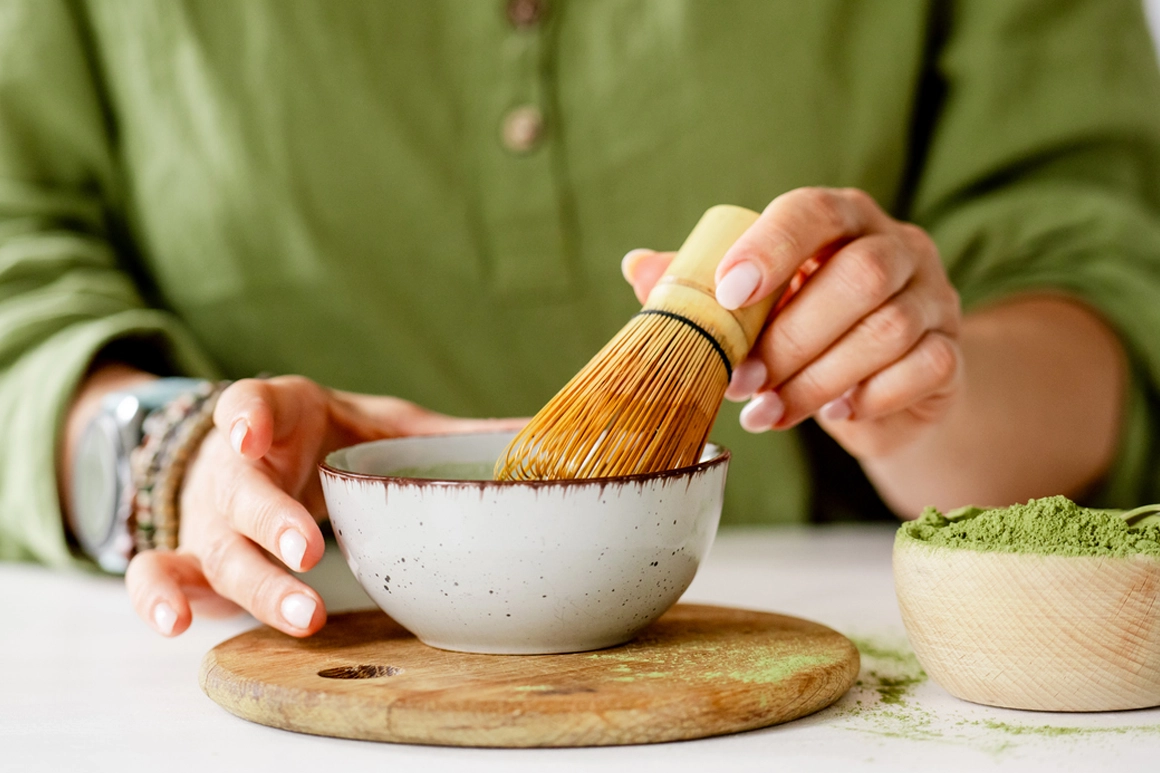
Steps to make a good matcha
1 of 1
Preparing matcha tea at home is simple, but it requires a specific utensil to prevent the formation of lumps: a chasen. This is a traditional bamboo whisk, which allows you to properly dissolve matcha powder and achieve a fine and homogeneous texture.
Below are the step-by-step instructions:
- Place 1-2 grams of matcha powder in a large bowl. Sifting it beforehand with a fine sieve makes it easier to mix with water and prevents lumps.
- Pour a splash of hot water (approximately 70-80 ºC, it should not be boiling) and beat with the help of the chasen in a zigzag movement (or in the shape of a W) until you get a homogeneous paste with a layer of foam on the surface. Whisk for about 15 seconds.
- Add the rest of the liquid, either hot water, milk or your favourite plant-based drink, until you reach the desired amount.
Drink immediately and enjoy!