How swimming pool chlorine affects our skin
Itching, irritation and eczema are some of the discomforts that swimming pool chlorine can cause to our skin.
Swimming pool chlorine is a powerful disinfectant that keeps the water free from fungi, bacteria and other microorganisms responsible for infections such as dermatitis, otitis and certain digestive problems. Thanks to it, we can enjoy refreshing dips in summer and practise swimming safely throughout the year.
In fact, swimming is highly beneficial for our health, as it works virtually every muscle group while improving cardiovascular and respiratory fitness. However, several studies warn that prolonged exposure to chlorinated water may also have effects on the skin and hair.
What happens when swimming pool chlorine comes into contact with our skin?
Our skin has a slightly acidic pH, between 4 and 5. This acidity forms part of the skin's natural protective barrier, which helps maintain hydration and protects us from external microorganisms. By contrast, swimming pool water has a slightly alkaline pH, between 7.2 and 7.6, a range that promotes the disinfecting action of chlorine.
Swimming pool chlorine is responsible for keeping the water hygienic, although its disinfecting action can also affect the skin. According to a study published in the Open Access Research Journal of Biology and Pharmacy, repeated exposure to chlorine and other compounds used in water treatment may alter the skin pH and encourage the development of skin irritation.
Added to this is another common factor in public swimming pools. Sweat, dead skin cells, residues from sunscreens, soaps and perfumes react with chlorine to produce new chemical compounds, such as chloramines, which may increase skin irritation.
The scalp is also affected
Chlorinated water not only affects the skin but also removes some of the natural oils that protect the hair and damages keratin, the main protein in the hair fibre
As a result, this may lead to:
- Loss of strength and elasticity.
- More fragile, brittle hair.
- Split ends.
In addition, as hair porosity increases, the hair absorbs more water and chemical substances, which worsens the damage over time.
Furthermore, the scalp experiences effects similar to those seen on the rest of the skin. The loss of its natural oils may cause dryness, flaking, itching and even mild inflammation. Coloured hair is also particularly vulnerable, as pool chlorine may alter its colour and contribute to greater damage to the hair fibre.
Reactions associated with swimming pool chlorine
Not everyone's skin reacts in the same way to chlorinated water. The severity of symptoms depends on the skin type, the duration of exposure and the frequency of swimming.
In people with healthy skin, the most common effects are dryness and a feeling of tightness after swimming. By contrast, those with sensitive skin or existing skin conditions may experience more intense and persistent discomfort.
When exposure is frequent, these effects may stop being temporary and become a persistent problem if the skin is not properly protected.
Tips to reduce the effects of swimming pool chlorine
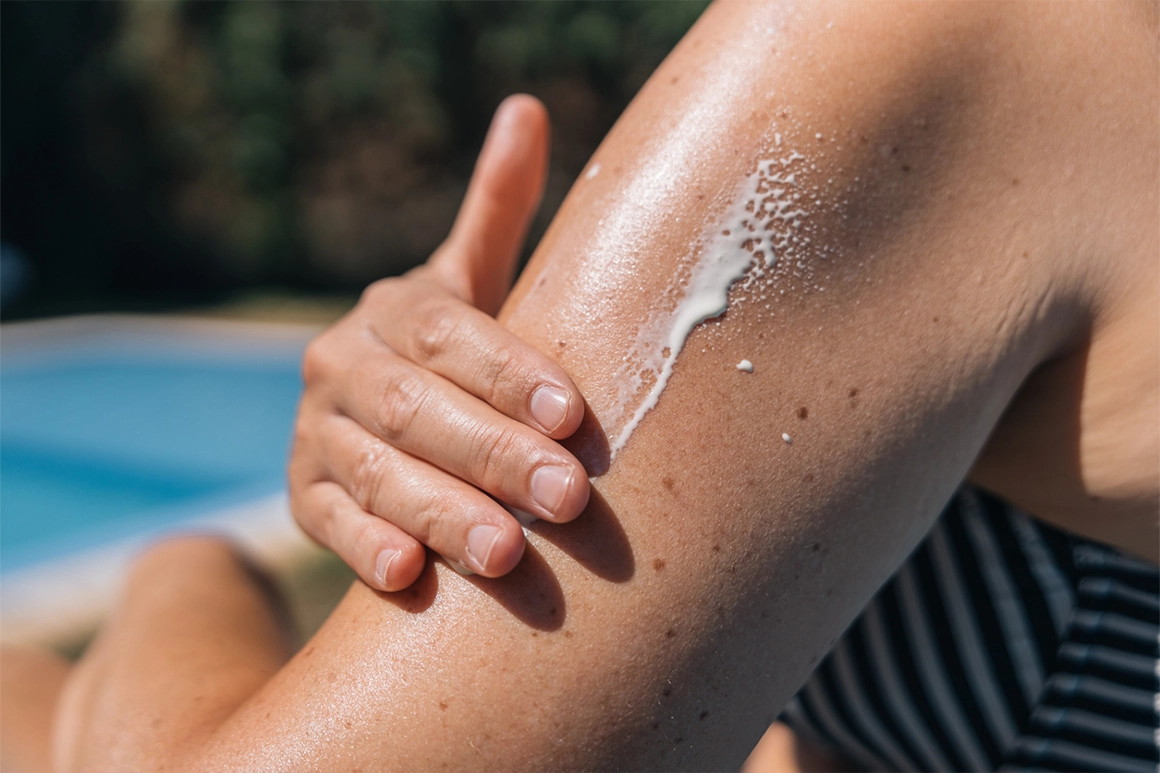
Moisturise your skin before entering the swimming pool
1 of 4
Showering before entering the pool reduces the amount of chlorinated water that the skin and scalp can absorb. Applying a light moisturiser or body oil can also help strengthen the skin barrier.
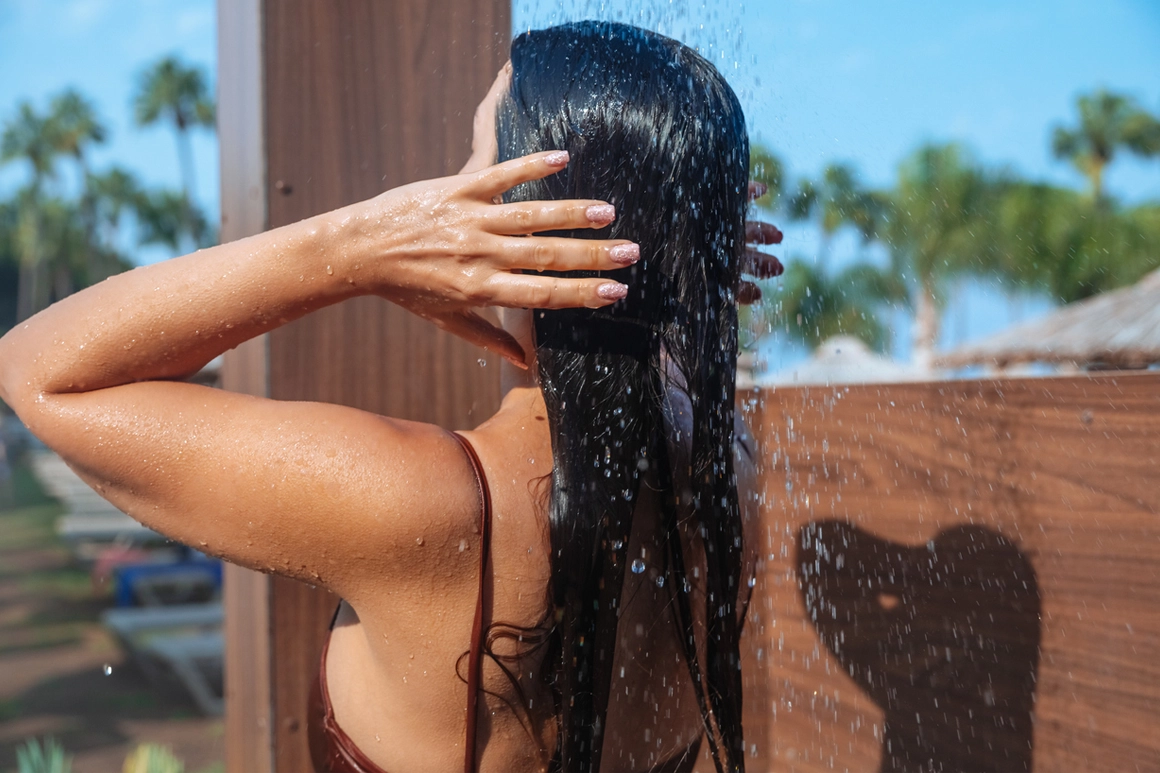
Take a shower after swimming
2 of 4
It is recommended to do this as soon as possible using a gentle cleanser to help remove chlorine residue without drying out the skin. Applying a moisturiser afterwards can also help restore the skin's protective barrier.
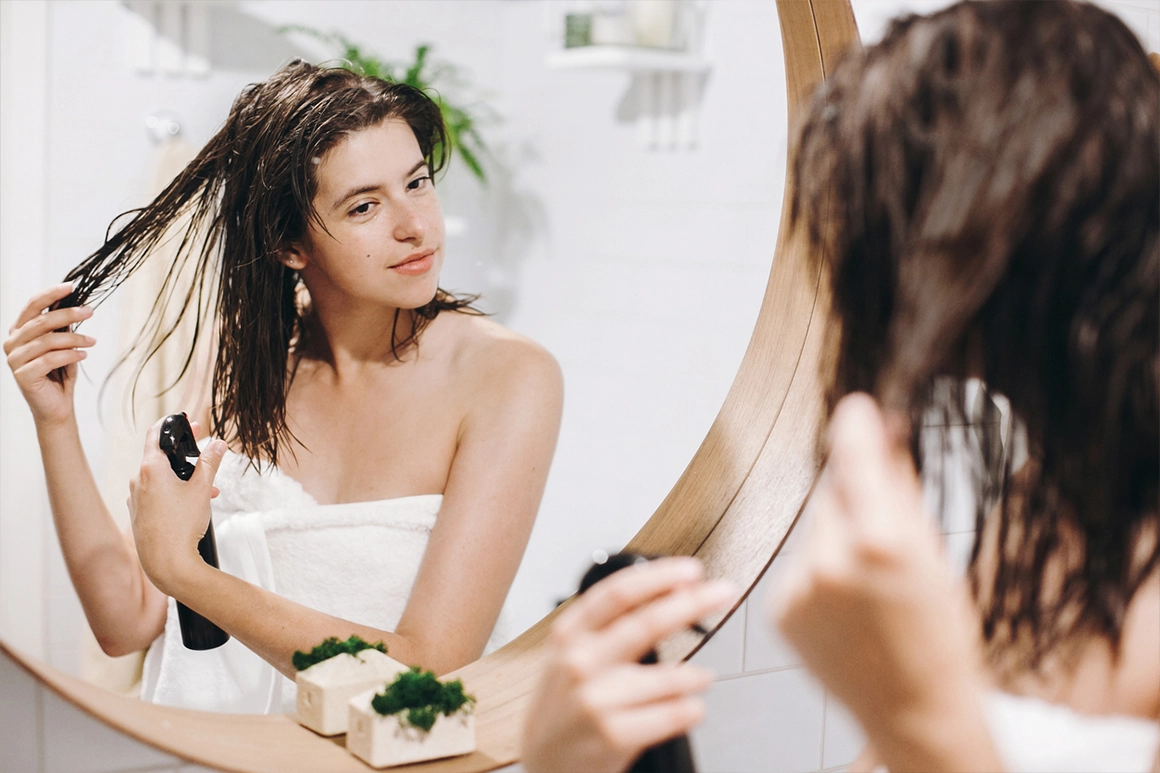
Use a conditioner or a hydrating hair mask
3 of 4
It helps restore some of the lost moisture and reduce damage to the hair fibre.

Change into dry clothes as soon as possible
4 of 4
Avoid staying in a wet swimsuit for too long, as it prolongs the skin's contact with chlorinated water and may cause irritation.