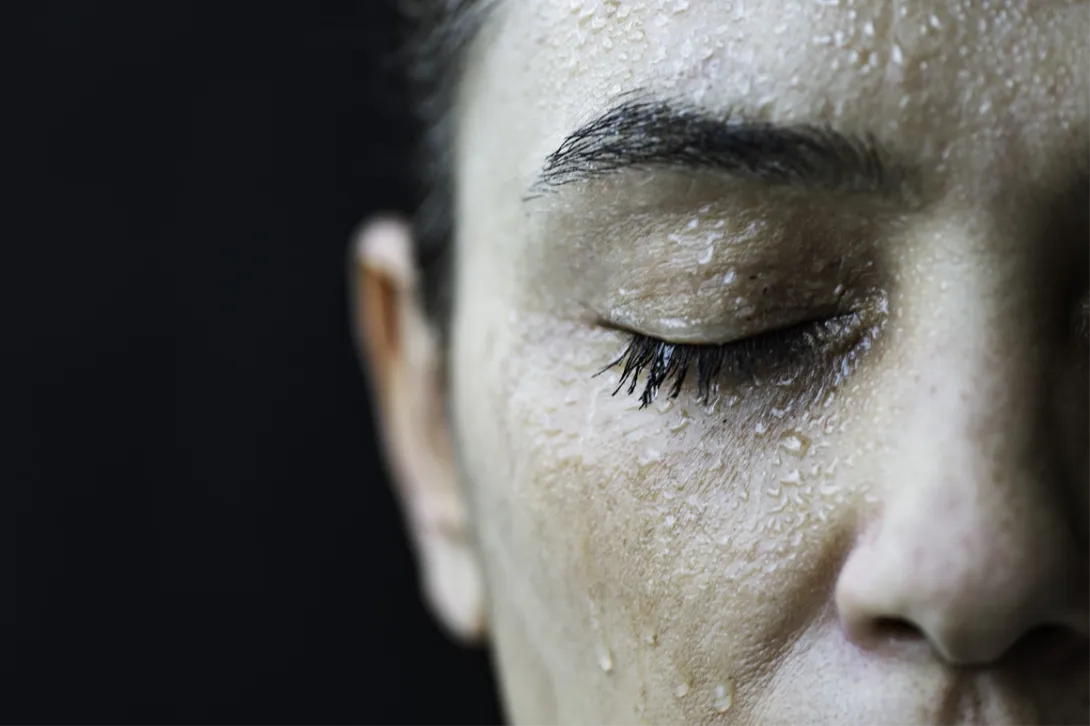
Everything you need to know about sweat
Sweating can be unsightly, uncomfortable and embarrassing. But despite these inconveniences, it helps regulate body temperature and is a cornerstone of our evolution.
The human body has between two and four million sweat glands distributed all over our skin, capable of producing sweat to maintain a stable body temperature and protect the body from overheating. Heat, physical exercise or intense emotions such as stress cause the body to activate this system, which helps to dissipate heat as the sweat evaporates from the skin.
However, although it is an essential biological process, sweat is often associated with unpleasant odours and poor hygiene, even though the two are not necessarily linked. In fact, sweat itself is odourless; it is the bacteria naturally present on skin that cause the smell. These bacteria break down certain compounds in the sweat, particularly in areas such as the armpits or groin, producing a characteristic ‘fragrance’.
Especially in summer, the hottest and most sociable time of the year, many people find sweating a problem. High temperatures force the body to sweat more to regulate its temperature, which can lead to stains on clothes and increase the constant feeling of dampness or the fear of body odour.
The amount of sweat and the areas where it appears depend on various factors, including gender. Some studies have found that men tend to sweat more due to testosterone and their larger body size.
Women, on the other hand, take longer to start sweating because of oestrogen, which helps to keep the body temperature low. However, they are more likely to experience changes during hormonal phases such as menstruation, pregnancy or the menopause. Age also plays a role, as from puberty onwards, sweating patterns change due to hormones.
Another important factor is genetics. This affects the functioning of the sweat glands and body odour. For example, people who live in hot climates tend to develop a greater tolerance to heat and sweat more efficiently. Furthermore, there are genes such as ABCC11, which is common in people from certain Asian regions, that regulate the secretion of substances in the sweat glands, resulting in a milder body odour.
Sweat-related conditions
Although this is a natural cooling mechanism, in some cases, sweating more than usual may be a sign of another underlying condition:
- Hyperhidrosis. This is excessive and unjustified sweating, which usually affects the hands, feet, armpits or face. There are two types of hyperhidrosis: primary hyperhidrosis, which is caused by a malfunction of the sweat glands; and secondary hyperhidrosis, which occurs as a result of an underlying medical condition or certain medications.
- Bromhidrosis. This is caused by a disorder of the glands that produces an unpleasant and intense odour. It is usually linked to genetic factors, poor personal hygiene, diet or metabolic disorders.
Anhidrosis. The absence of sweat is known as anhidrosis. Those suffering from this condition are more prone to heatstroke or other complications, as the body is unable to regulate its own temperature.
Tips for reducing sweating in summer
Here are some habits that can help reduce the discomfort associated with sweating, especially during the hottest periods: