Here’s how you can prevent summer acne
Heat, sweat and humidity can significantly influence the appearance of summer acne and pimples on different parts of the body.
During the summer season, we spend more time outdoors and our skin is exposed to a greater number of environmental factors, such as sun exposure, pollution and contact with certain plants and insects. In addition, our routine changes, as do our diet and daily activities. Some of these changes, although they may seem harmless, can affect the skin’s balance and worsen certain conditions, such as irritation or summer acne.
The combination of bacteria and oils on the skin, together with sun exposure, creates the perfect conditions for acne breakouts. This skin condition can affect any skin type, even people who are not normally prone to acne. It mainly affects areas such as the forehead, jawline and back. Its symptoms are similar to those of common acne, although it is important not to confuse the two, as their causes and treatments are different.
Differences between heat rash and summer acne
During the summer, different types of skin eruptions may occur, including heat rash and summer acne, also known as Mallorca acne. Both can appear due to similar causes, although their appearance and symptoms are different:
Symptoms of heat rash
- Small red or pink bumps.
- Commonly concentrated in skin folds, on the chest, forehead or neck.
- Caused by a combination of sweat, friction from clothing and a lack of airflow to the skin.
- Often cause itching or a mild burning sensation.
Symptoms of summer acne
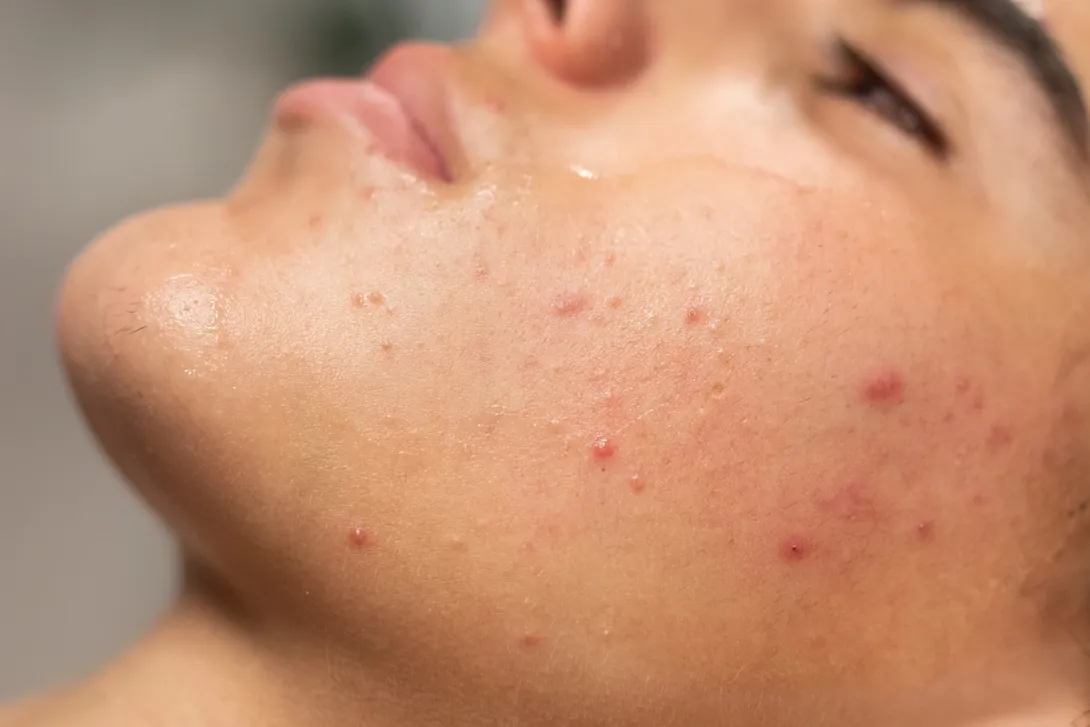
- Red pimples, whiteheads and/or blackheads.
- Usually concentrated on areas such as the face, chest and back.
- Caused by blocked skin pores.
- Often painful to the touch.
- May persist throughout the summer if not treated properly.
Tips to reduce acne breakouts
In general, summer acne tends to disappear on its own and does not require treatment. An appropriate skincare routine, proper hydration and controlled sun exposure are usually enough to reduce breakouts. If treatment is needed, the Dermatological Institute of Huelva notes that it should be individualised and prescribed by a dermatologist.
In addition, certain daily habits can help control excess sebum:
- Avoid excessive sun exposure.
- Follow a skincare routine suitable for acne-prone skin.
- Drink water regularly.
Sunscreen: the best ally against summer acne
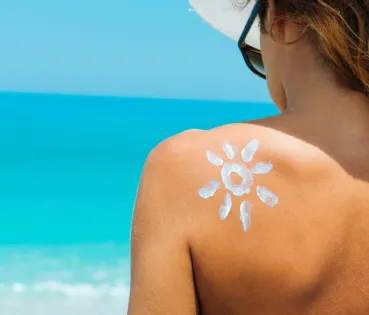
Sun exposure is one of the main factors that can worsen acne, particularly because it causes inflammation and increases the production of oil and sweat. Using sunscreen not only helps prevent sun damage but also helps control excess oil, provides hydration and helps prevent post-acne marks.
However, not all sunscreens are suitable. Experts from the Spanish Pharmacists’ Association recommend products that provide protection against UVA, UVB, infrared radiation, visible light and blue light, as well as containing sebum-regulating, mattifying and antioxidant ingredients, among other requirements.
Before purchasing any sunscreen, it is important to consult an expert to ensure that the most suitable product is chosen according to individual needs.
Common mistakes that worsen summer acne
Just as some habits help improve skin eruptions, others can worsen symptoms. They often seem harmless, but they can seriously hinder the management of summer acne. The Illinois Dermatology Institute and the Dermatological Institute of Huelva highlight the most common ones:
Summer acne is not an inevitable condition and should not prevent anyone from enjoying the summer. With the right care, it is possible to reduce its occurrence and improve overall skin health. If breakouts worsen or become difficult to manage, it is advisable to consult a dermatologist, who can prescribe the most appropriate treatment.