Urban allotments, a growing trend in cities
Although it has existed for centuries, this practice has gained popularity in recent decades as a means of promoting social cohesion and environmental sustainability.
The growth of large cities has for years been posing new social and environmental challenges. As the urban population increases, pressure on natural resources and on food production and distribution systems also grows.
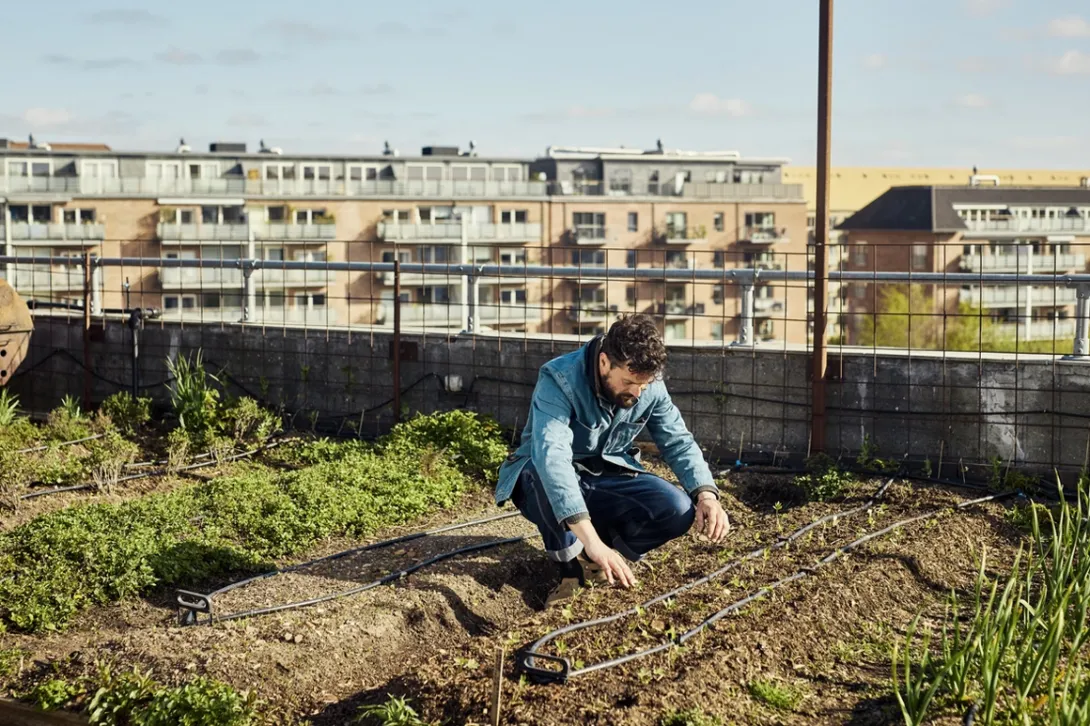
In this context, urban agriculture has attracted interest in capital cities around the world as a way of bringing nature closer to cities and moving towards more sustainable development models. A growing number of terraces and rooftops are being turned into growing spaces, while local authorities are promoting projects to restore green spaces and encourage public participation.
But why are urban allotments becoming so popular, and what benefits do they actually bring to the environment and society?
Urban allotments already existed before the “boom”
Urban farming has been practised for centuries as an alternative to tackle food shortages. However, it was not officially recognised until 1999, when the Food and Agriculture Organisation of the United Nations (FAO) proposed a formal definition for this concept and incorporated it as a pillar in the fight against global hunger.
From 2000 onwards, the FAO launched various programmes and initiatives to promote and raise awareness of urban horticulture, such as Food for thee Cities. Since then, numerous countries around the world have launched programmes to encourage the development of urban farming, both at a community and individual level.
A symbiosis between aesthetics and sustainability
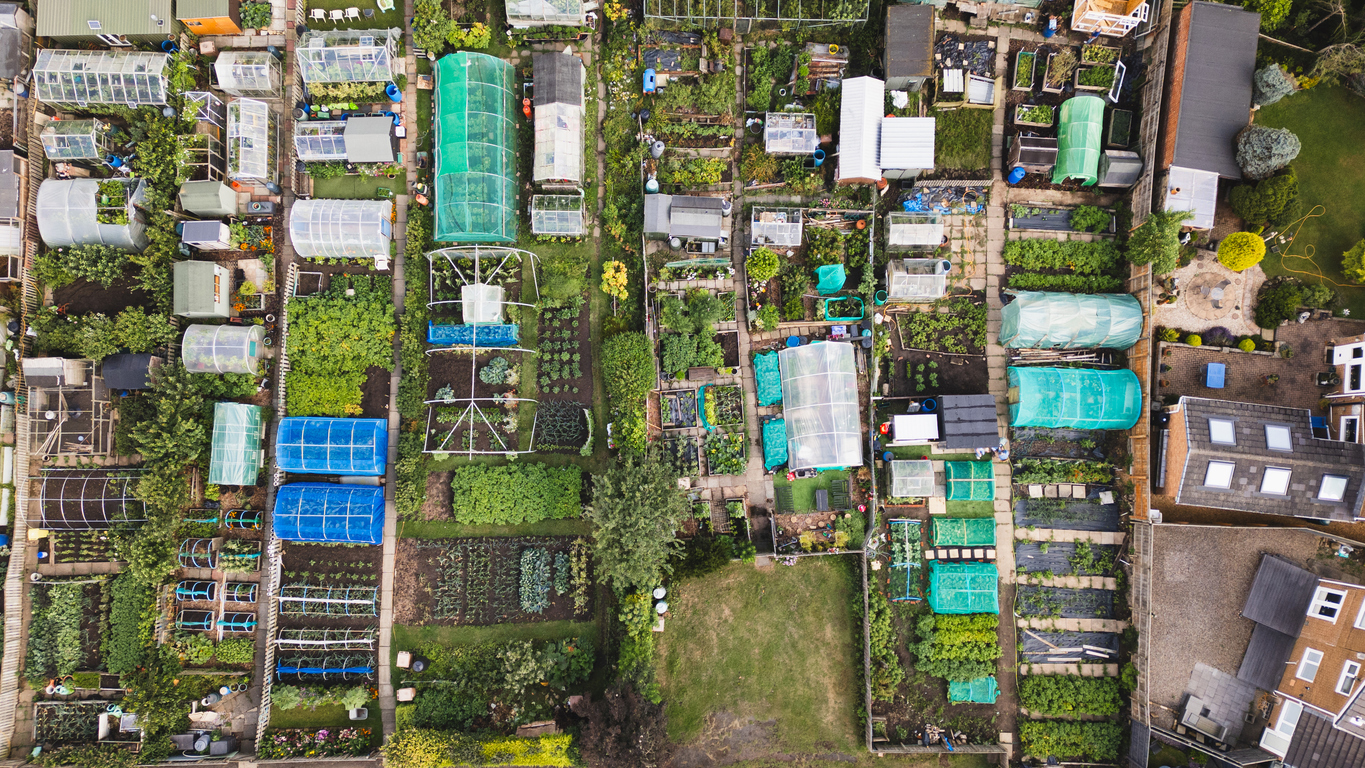
Home and community vegetable gardens create natural environments in the heart of large cities. They also help to maintain agricultural diversity, preserve local varieties and create habitats for different species, thereby strengthening native biodiversity.
Although their primary purpose is to provide organic food, the practice offers many benefits for the environment and the urban landscape. According to the FAO, farming on degraded land contributes to soil regeneration and helps restore its fertility. In other words, urban gardens not only enhance the landscape but also put abandoned or underused land in cities to new use.
Furthermore, these green spaces, together with gardens and parks, help to make cities more sustainable. They help to reduce the urban heat island effect and enable more efficient management of resources such as water and organic matter. At the same time, they reduce the environmental impact associated with food production and distribution by bringing cultivation closer to where food is consumed.
Environmental awareness and civic engagement
In recent years, many local councils and public institutions have promoted the creation and maintenance of urban spaces dedicated to agriculture.
In Spain, there is an extensive network of urban allotments aimed at making farming more accessible to the public and promoting healthy lifestyles. In fact, by 2014 there were already more than 15,000 urban allotments spread across 300 municipalities on the Iberian Peninsula, according to a study carried out by the GEA21 Study and Alternatives Group.
Self-sufficiency is closely linked to awareness and responsibility regarding what we consume. Gardening enables us to better understand the origin of food, how plants grow and the resources required for their production. At the same time, it fosters a sense of satisfaction, commitment and connection with the environment.
Furthermore, urban allotments bring nature closer to the public, encourage physical activity and promote community involvement. Whether run by individuals, local authorities or schools, these spaces strengthen social ties, create a sense of belonging and contribute to people’s physical and psychological wellbeing.
Singapore and Paris: two leading examples of urban farming
Singapore has become a leading example of integrating food production into the urban environment. In 2019, the government launched the 30 by 30 goal, aiming to produce 30 per cent of the country’s food requirements locally by 2030. The project was a response to the scarcity of arable land and the country’s heavy reliance on imports.
This initiative gave rise to the 1-Arden Food Forest, an elevated garden situated on the roof of the CapitaSpring complex. More than 150 varieties of herbs, fruit and vegetables are grown there, which are subsequently consumed in the building’s establishments.
Meanwhile, Paris has also joined this trend with Nature Urbaine, a farm situated on the roof of the Porte de Versailles exhibition centre. Covering an area of 14,000 m², it is considered one of the largest urban farms in Europe, where fruit, vegetables and aromatic plants are grown right in the heart of the city.
These two projects are clear examples of how some cities are making use of rooftops and underutilised spaces to incorporate agriculture into their urban landscape. Ultimately, urban gardens represent an evolution in the way we understand agriculture and urban planning. Beyond food production, they help to improve environmental sustainability, strengthen social cohesion and promote healthier lifestyles.