The role of fibre in the diet
Dietary fibre is crucial for digestive, cardiovascular and metabolic health. These are its benefits, types and how to incorporate it to your daily diet.
Fibre is a type of carbohydrate that does not provide energy (calories) and that resists digestion and absorption in the small intestine. Through diet, it reaches the digestive system and is fermented thanks to the intestinal microbiota action. It is involved in many functions that affect both the digestive, and the general health, meaning it is an essential part of the diet.
There are two main categories of dietetic fibre:
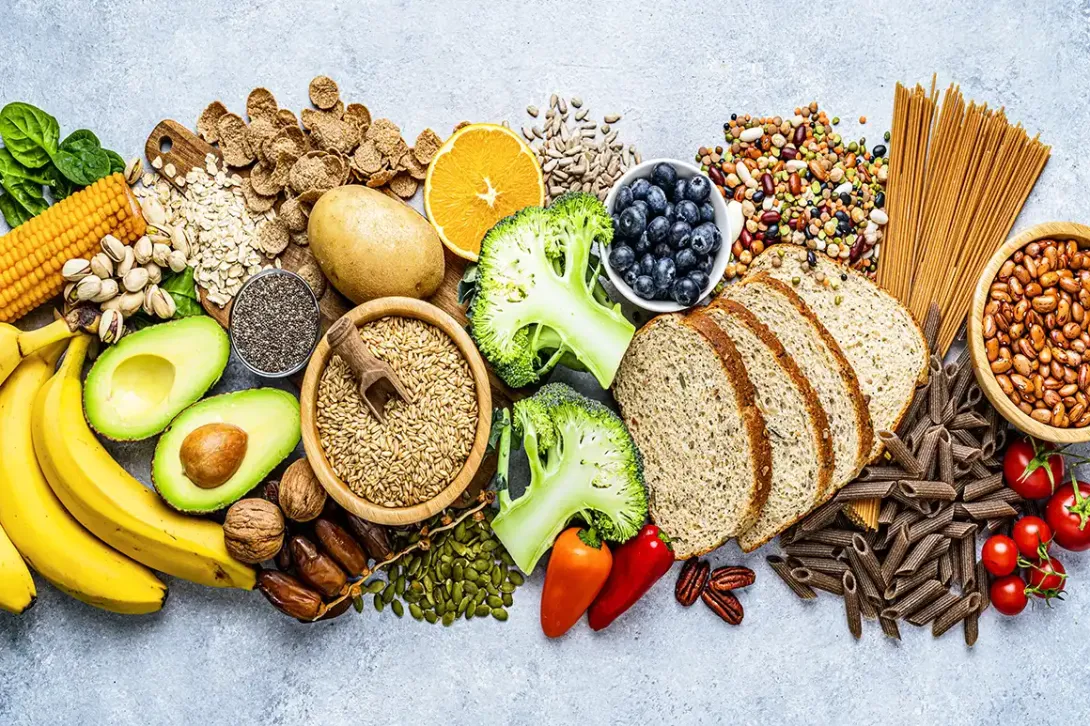
- Soluble fibre. It helps to slow digestion down and brings satiety. It is found in foodstuffs such as oats, onions, pulses, apples, bananas and barley.
- Insoluble fibre. It increases the volume of the faecal bolus and improves the consistency of the stools, which helps to prevent constipation. It is found in foods such as brown rice, quinoa, green leafy vegetables, dried fruit and nuts and wheat bran.
Both types of fibre are usually present in most foods of plant origin.
Benefits of fiber in nutrition
The main benefits of a fibre-rich diet are:
- It encourages intestinal microbiota, contributing to an optimum digestive health. Prebiotics are a type of fibre that is used as food for the beneficial bacteria that inhabit the intestine. When these bacteria ferment the fibre, short-chain fatty acids (SCFA) are produced, which have very important effects on intestinal health. For example, they strengthen the intestinal barrier, they reduce oxidative stress and they have anti-inflammatory effects.
- It helps to regulate the blood sugar levels and to reduce the LDL cholesterol, which reduces the risk of cardiovascular diseases and type 2 diabetes.
- It brings greater satiety, which shifts the consumption of superfluous, undesirable food and it is related to maintaining a healthy weight.
On the other hand, following a low-fibre diet has been associated with a greater risk of suffering from dislipemia, high blood pressure, some types of cancer (particularly bowel and breast cancer), type 2 diabetes and obesity. Often, a low-fibre diet also is translated into a diet that is rich in refined and processed foods, with a low consumption of whole fruit, vegetables, pulses and wholegrain cereals.
How much dietetic fibre should you eat and where can you get it from?
A fibre-rich diet is one of the pillars for maintaining a good intestinal transit, avoiding constipation and encouraging digestive health. However, you must take into account that the increase in eating fibre-rich foods must be progressive, allowing the digestive system to adapt. If not, it is common to experience discomfort such as a bloated stomach or tympanites (accumulation of gases).
The European Food Safety Authority (EFSA) recommends a minimum daily intake of 25 grams of fibre. According to data from the ANIBES study, the average daily intake in Spain is 12.7 grams, well below the recommended amount.
How can we incorporate more fibre into our daily diet?

Fruit and vegetables
1 of 6
Make sure you eat a minimum of 5 portions of fruit and vegetables per day, the equivalent of 400-600 grams of these foods. These food groups contain few calories and fats; on the other hand, they are rich in vitamins, minerals, fibre and water. It is recommendable to eat a minimum of one portion of vegetables in the main meals (lunch and dinner) and at least 3 portions of whole fruit (not juice) throughout the day.
Dried fruit
2 of 6
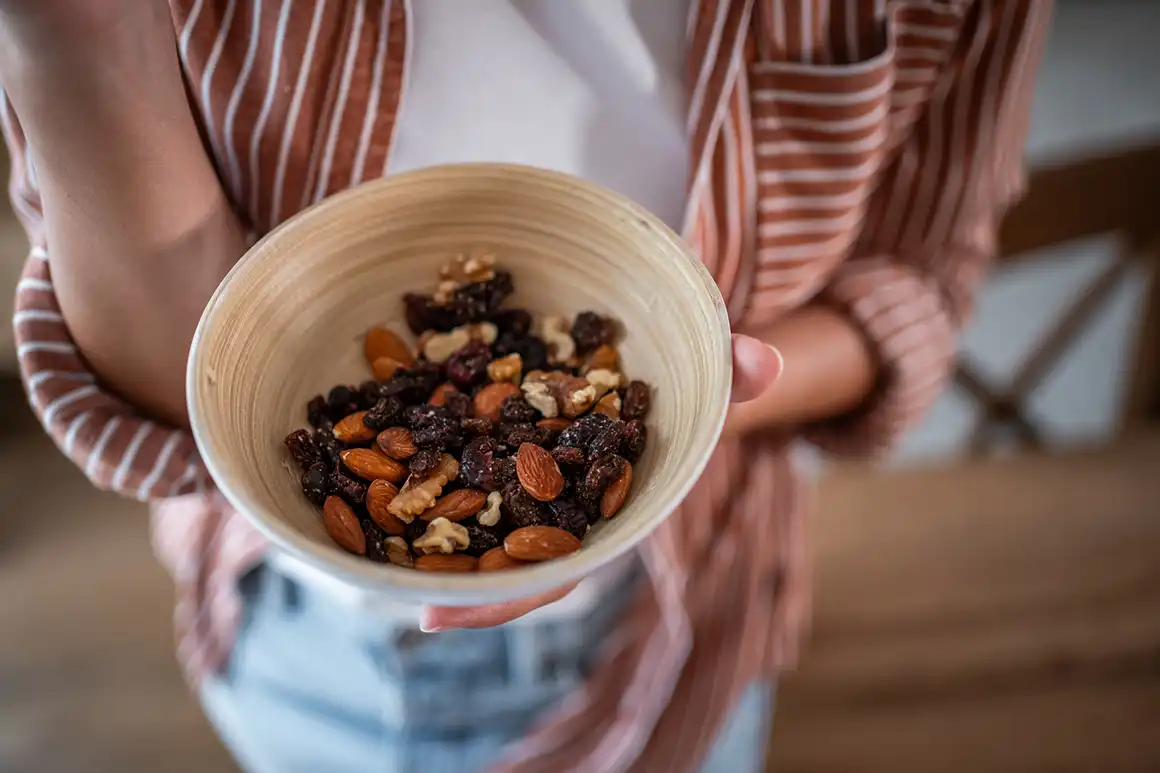
Incorporate dried fruit and nuts (walnuts, hazelnuts, almonds, etc) and seeds (pumpkin, flax, sesame, chia, etc.) in the daily diet. It is recommendable to choose natural or roasted dried fruit and nuts (salt-free).
Legumes
3 of 6
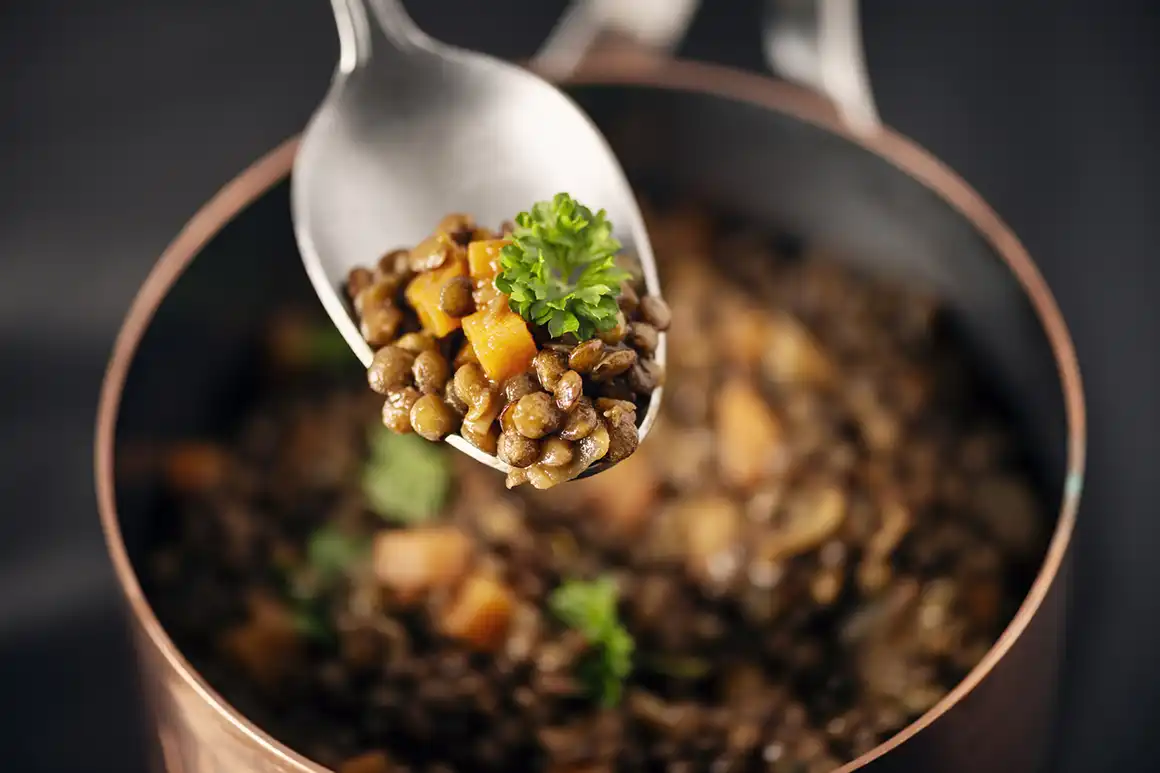
Eat a minimum of 3-4 portions of pulses per week (lentils, chickpeas, dried beans, soya, etc.). Pulses are an important source of proteins and fibre, which provide satiety and encourage intestinal transit.

Whole grains
4 of 6
Replace refined cereals with their wholegrain versions, such as bread, pasta and rice, but maintain the wholegrains such as oats, quinoa or buckwheat. These provide a larger proportion of fibre and micronutrients.

Ultra-processed
5 of 6
Avoid eating ultra-processed products, as they are usually refined and provide little fibre. Within this category are industrial cakes and biscuits, sweet beverages, refined flours, juices, etc.

Good hydration
6 of 6
Accompany the ingestion of fibre with good hydration. Soluble fibre absorbs water forming a kind of gel. This helps to soften the stools and enables them to move through the large intestine (colon). Insoluble fibre, on the other hand, needs water to increase the volume of the stools and to stimulate the intestinal motility. Therefore, the combination of fibre and liquid helps to prevent constipation.
If the ingestion of fibre is increased without drinking enough water, it can act as a stopper: the faecal bolus becomes drier and more compact, making it difficult to evacuate.