After COP30: what lies ahead for emissions reduction?
The summit concluded with a rather vague emissions reduction strategy, alongside the withdrawal of the USA and without any reference to fossil fuels.
Last November, 198 countries gathered in Brazil for the 30th United Nations Climate Change Conference (COP30) to agree on new measures to tackle global warming and to ensure a genuine reduction in emissions.
The meeting was intended to mark a turning point in the fight against climate change. It also coincided with the tenth anniversary of the Paris Agreement, which established that the rise in global temperatures should not exceed 1.5°C above pre-industrial levels.
A challenge to COP30 and the emissions reduction
Climate summits aim to agree on concrete actions to curb climate change and establish global commitments. Despite international expectations for ambitious and clear progress, the negotiations concluded with a "minimal agreement", without the presence of the United States and without any mention of fossil fuels.
The exclusion and lack of consensus over oil, coal and natural gas have sparked tensions among more than 80 countries supporting a sustainable energy transition. This issue has been under scrutiny for years due to the political reluctance to directly call out fossil fuels, despite their proven responsibility for global warming and extreme weather events.
And the United States?
The US issue is particularly delicate. The absence of American representatives at COP30 heightened uncertainty over international climate targets. This comes in addition to the country’s second withdrawal from the Paris Agreement and from 66 international organisations, some of which are linked to environmental protection efforts.
During his last term, the Biden administration achieved significant progress in emissions reduction, setting a target to cut emissions by 61–66% by 2035 (compared with 2005).
Despite these efforts, Trump’s return to the presidency poses a risk to key climate objectives. The president has already expressed scepticism about climate change and dismissed green policies as a “conspiracy.” The United States is currently the world’s second-largest emitter of CO₂.
What future awaits the planet?
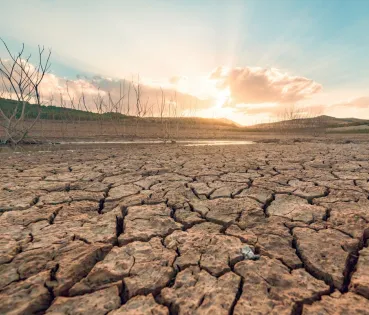
The most recent climate analyses agree that global warming continues to intensify. Experts have even warned that 2025 is set to rank among the second and third hottest years ever recorded.
Global average temperatures have remained very close —and at times above— the 1.5 °C threshold, a limit many scientists once considered distant, which according to earlier estimates would not have been exceeded for decades. However, the accelerating pace of climate change has upended these predictions, bringing a critical future for the planet closer.
According to the United Nations Environment Programme (UNEP), it would be possible to reduce up to 31 gigatonnes of CO₂ equivalent by 2030. This figure would represent around 52% of global emissions in 2023.
Achieving this target relies primarily on renewable energy, electrification of transport and industry, and improvements in energy efficiency. However, current commitments remain far from reaching this goal.
In fact, if current policies continue, the planet is on track for warming of up to 2.5°C by the end of the century. While slightly more optimistic than the latest forecasts, this level of warming would still be insufficient to prevent droughts, floods, and other extreme weather events.