How do forests regenerate after a fire?
In 2025, 400,000 hectares of forest were destroyed by fire in Spain, the country’s worst season in the last 30 years. What happens after a fire?
A fire can consume thousands of hectares of vegetation in a matter of hours, and factors such as wind cause it to spread more rapidly and devastatingly. The flames ravage the landscape and create an imbalance that endangers the native wildlife living there, as well as our health.
The main cause of these incidents is human activity, whether intentional or due to negligence. Incorrectly discarded cigarettes, uncontrolled bonfires or rubbish left in the forest can cause a major disaster in a matter of minutes. Among natural causes, the main factor is lightning striking trees.
In the last year, more than 7,000 fires were recorded in Spain, with 391,089 hectares burnt. This is the second-largest fire on record, after the events of 1985 which affected almost 500,000 hectares of vegetation. This is shown by data compiled by the PostFire Foundation.
Massive fires emit large amounts of CO₂, which cause respiratory problems and exacerbate stress and insomnia. They also raise temperatures and worsen climate change, which in turn intensifies the occurrence of fires.
The recovery process begins with the soil
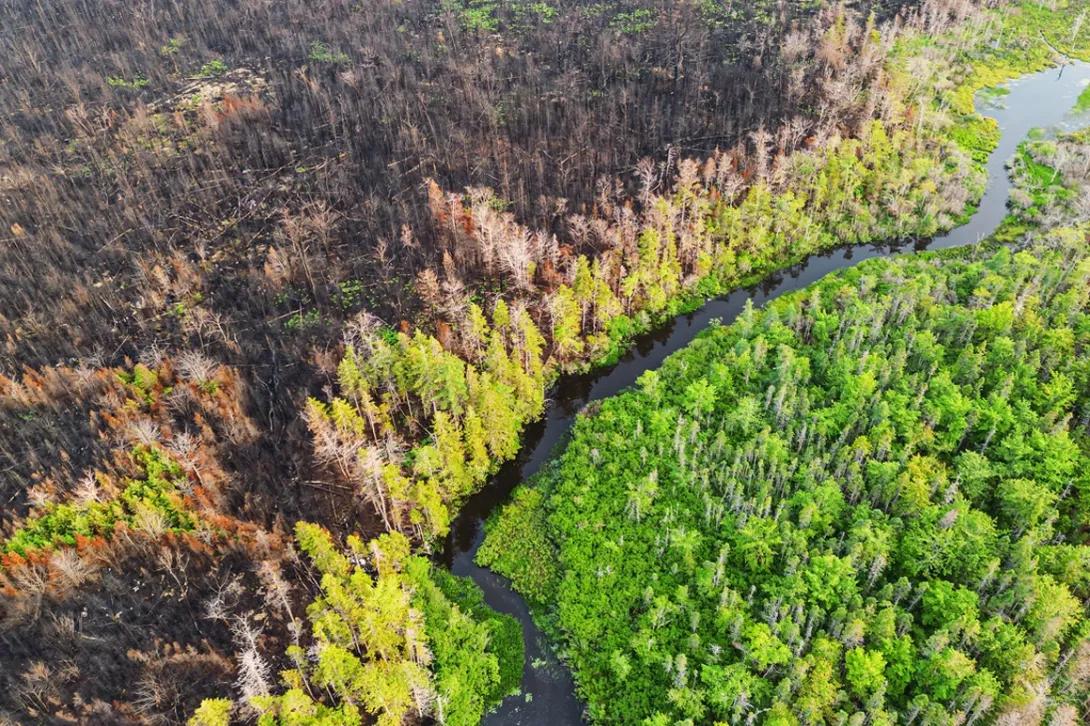
The soil is the resource most susceptible to irreversible damage following a fire, and the only one capable of restoring life to the affected area. After a fire, the soil is left exposed and weakened. This is because most of the nutrients are found on the surface, and due to weather conditions, this layer erodes and loses its fertility.
To prevent its degradation, it is essential to preserve the layer of ash and burnt wood that covers the ground. These remains contain minerals and organic matter that aid the recovery of vegetation, as noted by the NGO Reforesta.
Next, a period of 1 to 3 years is set aside to encourage the regeneration of nature, as explained by the Ecolec Foundation. At the same time, activities are carried out to facilitate the process, such as the removal of invasive species, planting, thinning and the restoration of native forests.
Finally, approximately three years after the disaster, the actual forest restoration begins. This stage focuses on ensuring that the ecosystems can sustain themselves in a state similar to their original condition.
Natural regeneration versus assisted regeneration
The recovery of a burnt area depends on the severity of the fire and the ecosystem’s potential for natural regeneration. Thus, before initiating any regeneration process, the condition of the soil, the type of vegetation and the presence of seeds or seedlings are assessed. In the case of less severe fires, where the fire has not completely destroyed all species, forests can regrow on their own over time.
On the other hand, repeated or very intense fires hinder the forest’s regrowth and may even eliminate the possibility of natural recovery. In such cases, assisted regeneration is employed, meaning native species are planted to repopulate the affected area. Replanting should be carried out only on very rare occasions, and natural development should be encouraged to promote forest diversity.
However, various studies support the view that targeted human intervention improves forest resilience. Forests that emerge after a fire are young and often very dense, making them even more vulnerable to further fires, droughts or other disturbances. Forest management – such as the removal of invasive species – enhances the spontaneous recovery of vegetation.
Prevention is key
When a disaster of this magnitude occurs, it not only affects the existing vegetation but also disrupts the balance of the ecosystem. The flames destroy the habitat of many species and their food sources, which can even lead to the local extinction of some animals. Furthermore, restoring the land is a very slow, complex and costly process.
To avoid such events, the most important thing is to prevent them. In this regard, it is essential to take extreme precautions during the period of greatest risk of forest fires, which mainly runs from early June to October. Furthermore, if a fire breaks out, you must immediately call 112 and move away from the fire as quickly as possible, always moving in the opposite direction to the wind and following the recommendations of the emergency services.
Tips for preventing forest fires in summer
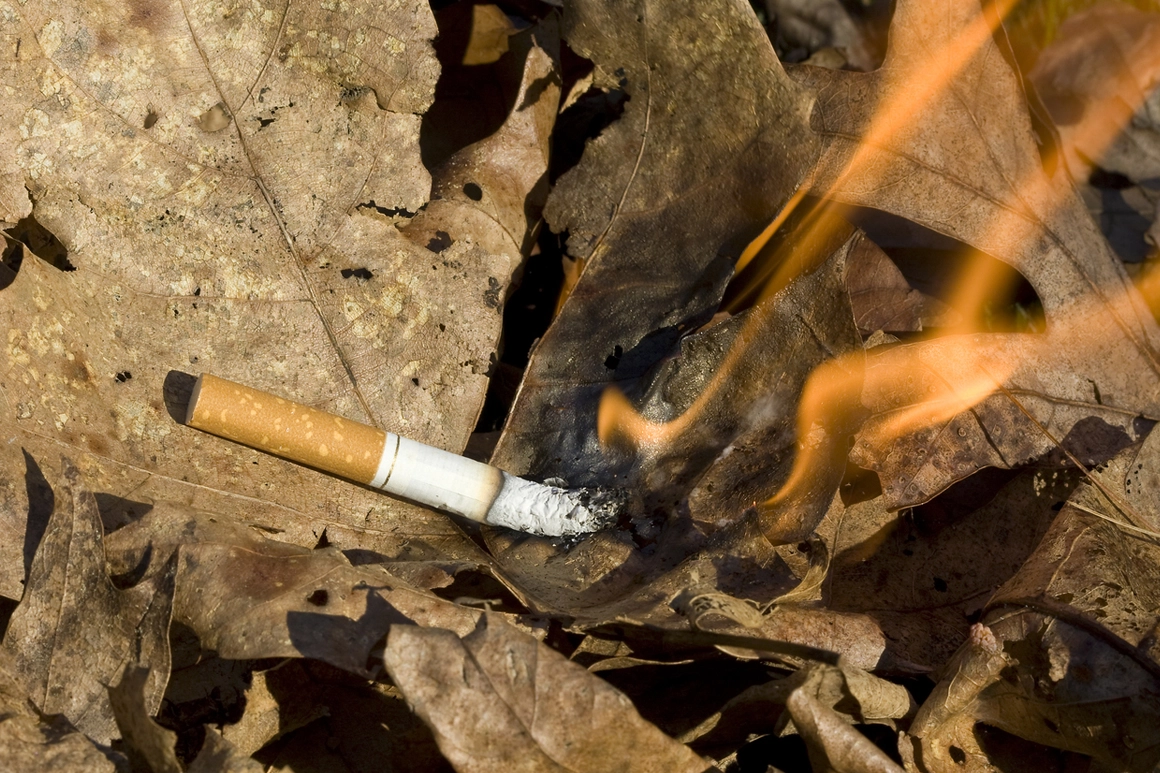
Do not throw cigarette ends on the ground
1 of 4
Smoking in or around the forest is extremely dangerous. Do not throw cigarette butts on the ground or out of car windows, as the wind may carry them and start a fire.
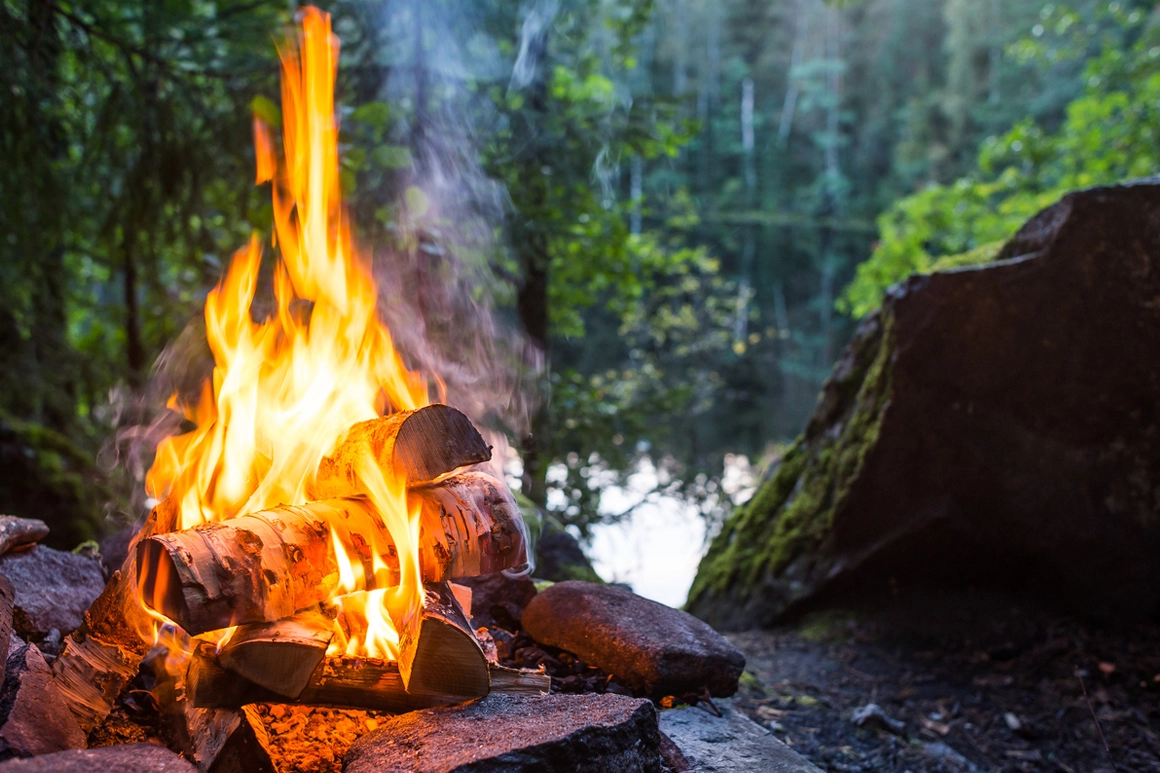
Do not light fires during critical periods
2 of 4
Even if carried out under supervision, the flames can get out of control and cause a fire within minutes.
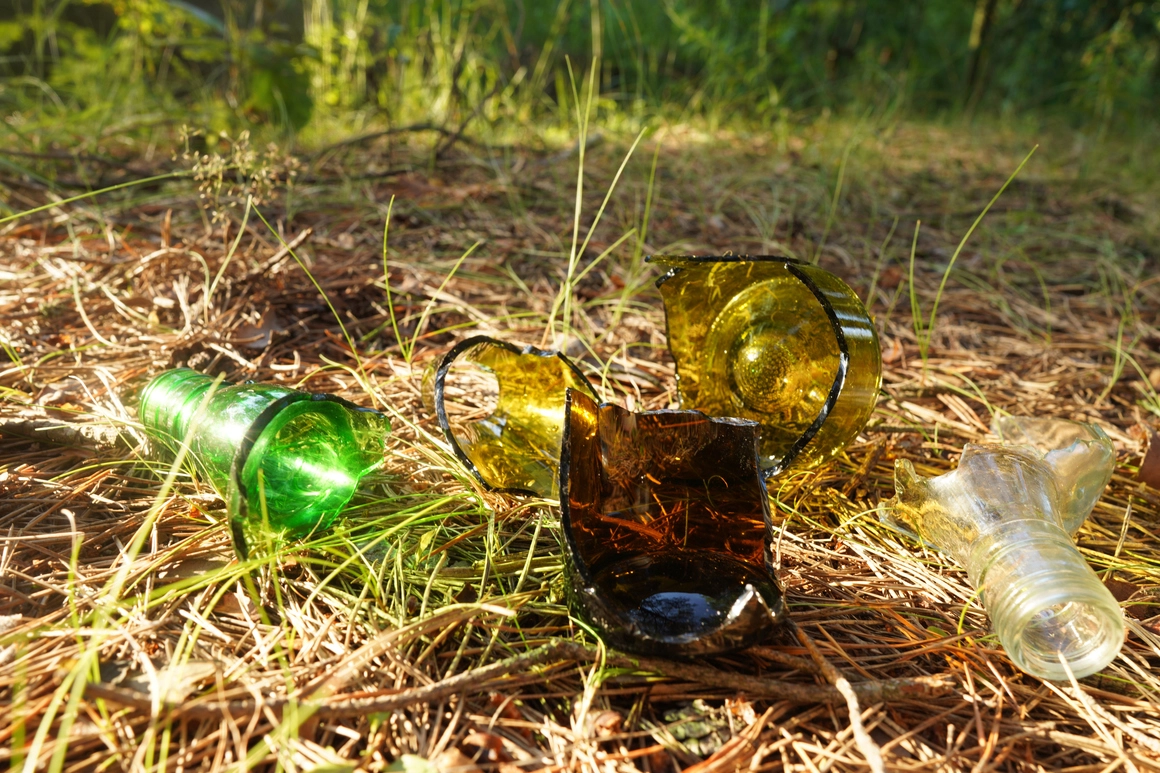
Do not leave any rubbish that could cause a fire
3 of 4
For example, glass bottles and other glass objects. These act as a magnifying glass and can quickly lead to disaster.
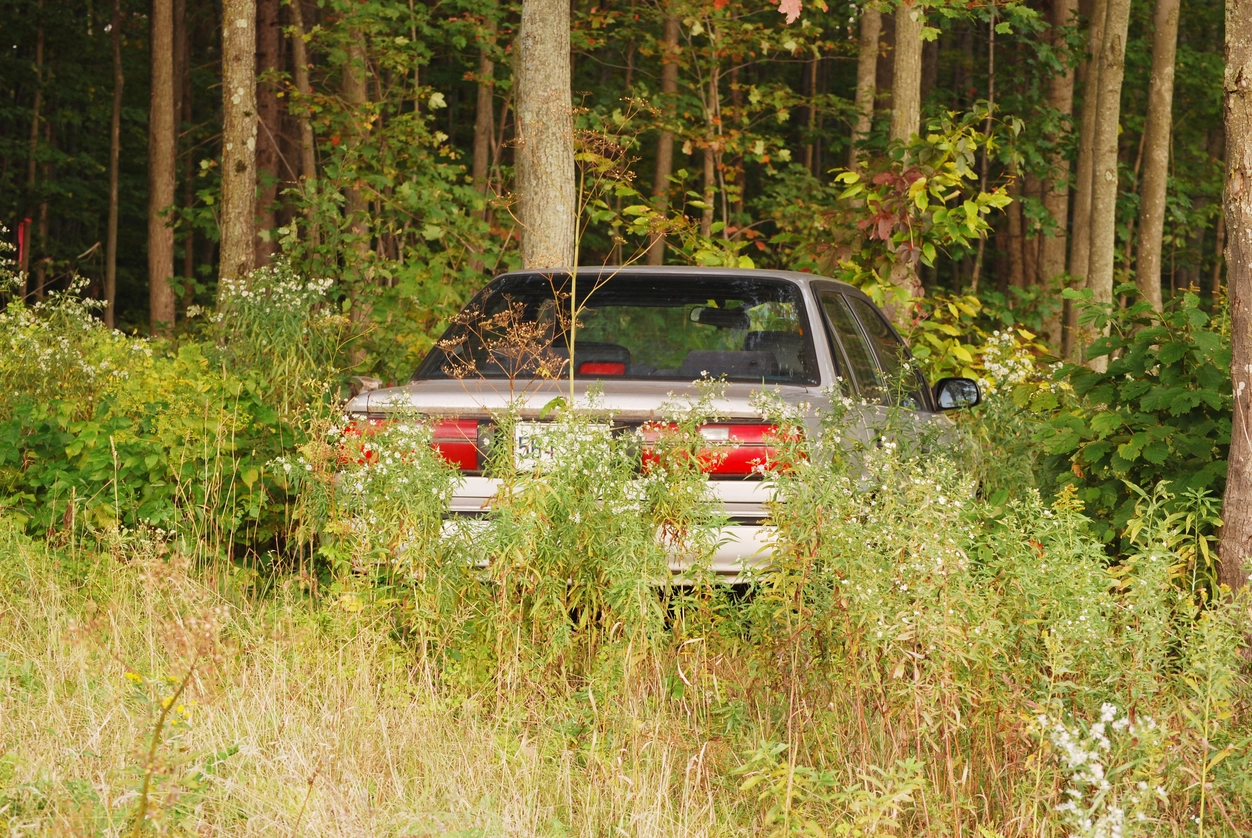
Do not park on top of the vegetation
4 of 4
Exhaust pipes can cause fires, as they reach very high temperatures and can ignite dry grass.