
A practical guide to natural cosmetics
Learn how to make informed choices when selecting natural cosmetics and discover how to make some products at home.
It is important to highlight that natural cosmetics are simply the evolution of products that have been used for centuries as beauty treatments. Even the ancient Romans used honey, olive oil and milk as facial ointments and even beeswax to remove wrinkles. We also find the well-known donkey’s milk baths that Cleopatra took to maintain soft, radiant skin.
Benefits of natural cosmetics for the skin
Natural cosmetics are a more chemical-free option than conventional products and tend to cause fewer skin reactions, making them a great ally for people with atopic tendencies.
Regulations on natural products
Currently, natural cosmetics are not subject to specific regulations but are governed by the same legislation that applies to conventional products, the European Regulation 1123/2009. This requires products to carry detailed labelling (INCI) listing the ingredients in descending order of concentration. It also prohibits the use of substances banned by the EU and requires that consumer safety be guaranteed.
But the main problem is that there is a gap in the legislation that blurs the distinction between different types of cosmetics. There is no minimum % of natural ingredients that natural formulas must contain, so manufacturers are free to decide this themselves and implement marketing strategies that confuse consumers.
Instead, there are private certifications on the market which, under their own rules and assessment criteria, certify whether a product is ‘eco-friendly’, ‘bio’ or ‘organic’. Furthermore, there is currently an international guideline called ISO 16128 that standardises various criteria for calculating a product’s natural content. Although compliance is optional, many companies already use this standard to indicate the level of natural ingredients in their formulas.
What you need to know before buying any cosmetics
Just as in the food sector, many brands in the cosmetics industry also use greenwashing to make their products appear eco-friendly. This is a widespread marketing strategy that seeks to project an image of sustainability without clear evidence or certification.
In these cases, vague terms such as ‘natural’ or ‘green’ are used without clear backing, or through packaging featuring green colours and organic symbols. To avoid falling into this trap and ensure that cosmetics are genuinely organic, it is advisable to:
- Learn to read the INCI list, as this indicates the composition and naturalness of the formula. It should consist mainly of plants, vegetable oils or other naturally derived compounds.
- Check whether the product has any quality certification.
- Compare the information on the front of the packaging with the list of ingredients and their order on the list.
- Listen to your skin’s needs.
- Research and choose natural cosmetic brands that are transparent about their ingredients and manufacturing processes.
The key lies in choosing high-quality natural cosmetics, knowing how to inform yourself properly, and understanding what your skin’s priorities are.
Natural products you can make at home
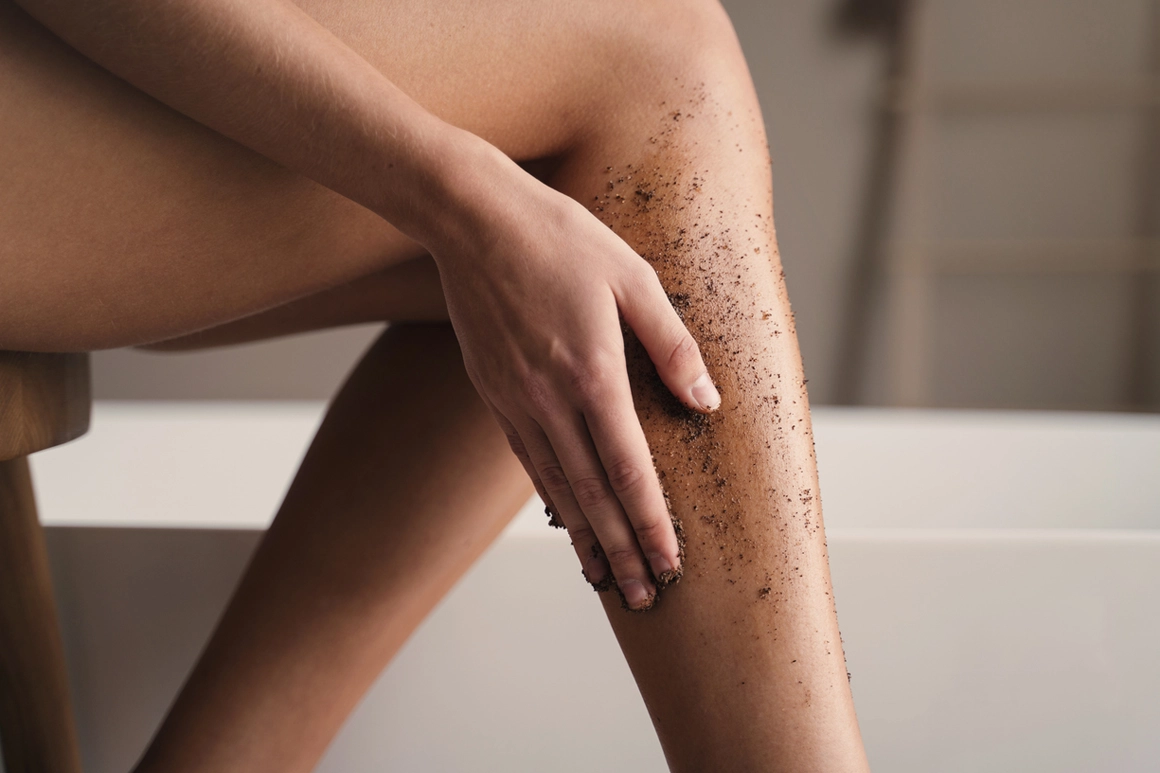
Coffee scrub
1 of 4
The same coffee we usually drink to wake ourselves up in the morning can also be used as a scrub to keep your skin looking radiant and rejuvenated.
Simply mix it with coconut oil in equal parts to create a smooth, even texture. Then, just apply it to your body and massage gently to feel the benefits.
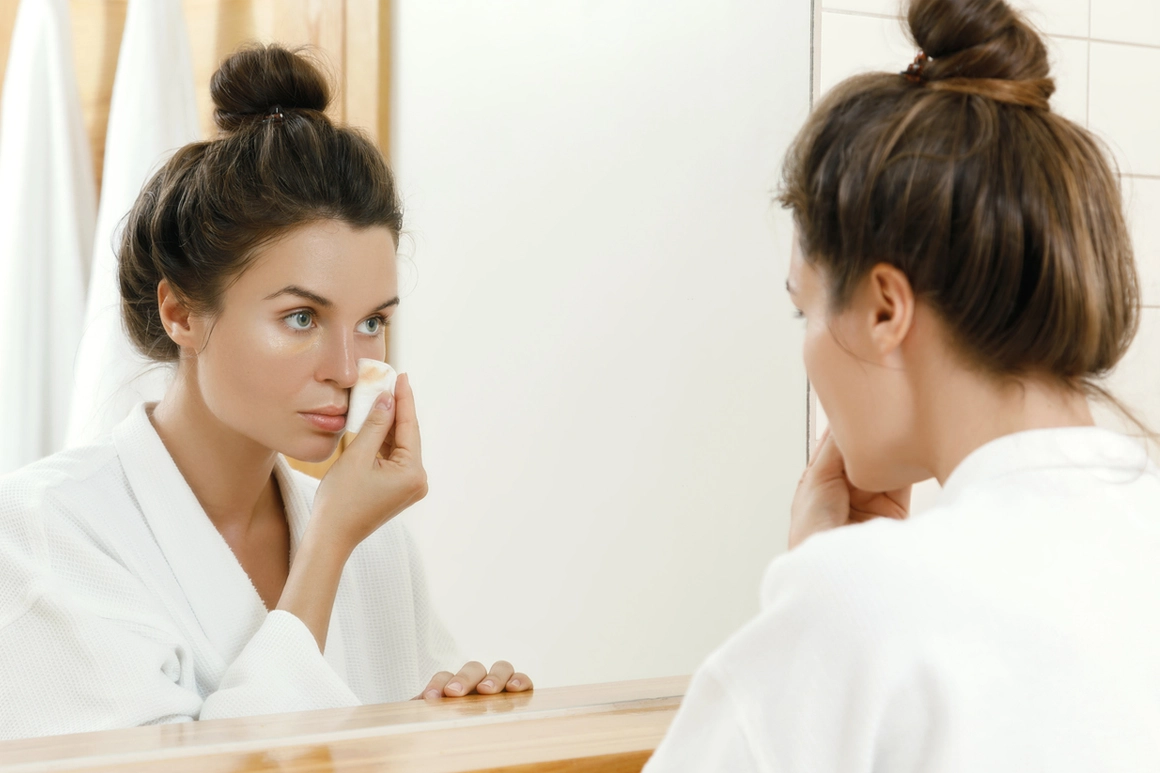
Make-up remover lotion
2 of 4
Homemade make-up removers are not only practical, but can also be beneficial for the skin.
One of the best-known homemade recipes involves mixing cold chamomile tea with an equal amount of olive or almond oil. This option is known for being suitable for all skin types, although make-up removers can also be made using coconut oil and thyme.
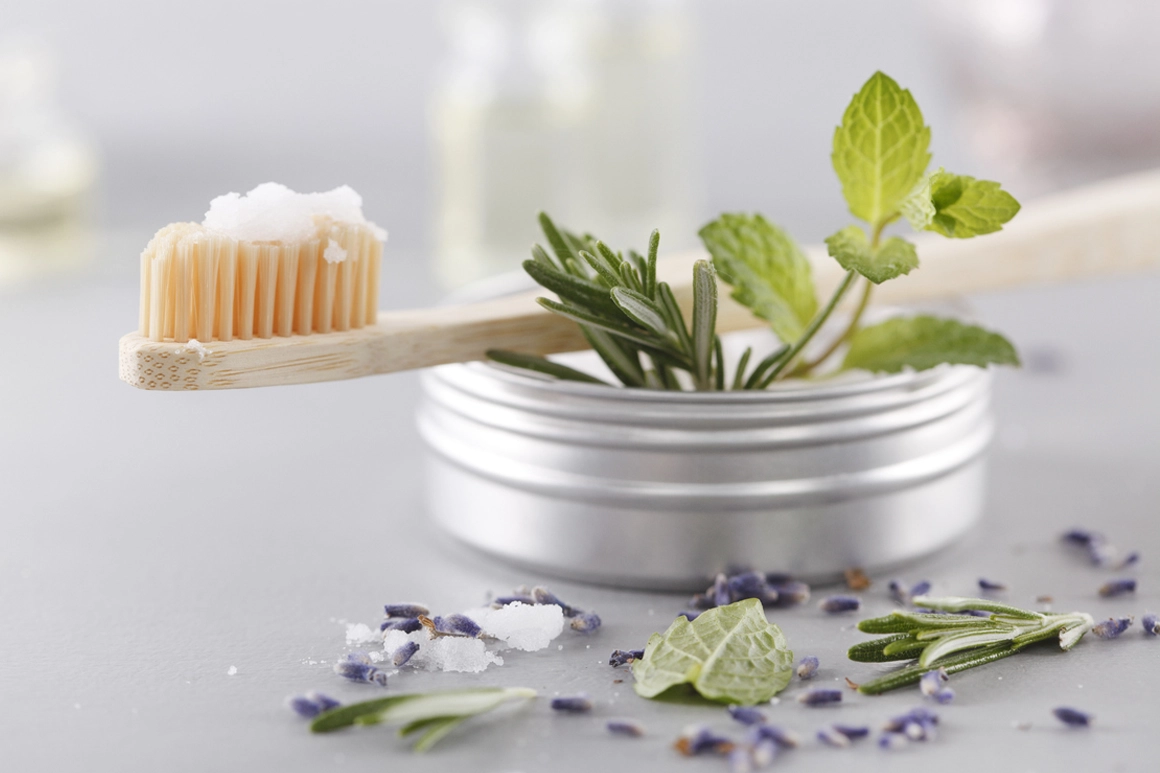
Homemade toothpaste
3 of 4
In Ayurvedic medicine, coconut oil is used as a mouthwash before brushing – known as oil pulling – to improve gum health.
At home, it can be used as a toothpaste by mixing two tablespoons with two tablespoons of bicarbonate of soda. You can also add a few drops of peppermint oil to give a fresh sensation.
Although there is still limited evidence regarding its benefits, oral health experts attribute plaque reduction, improved breath and antibacterial action to this ingredient.
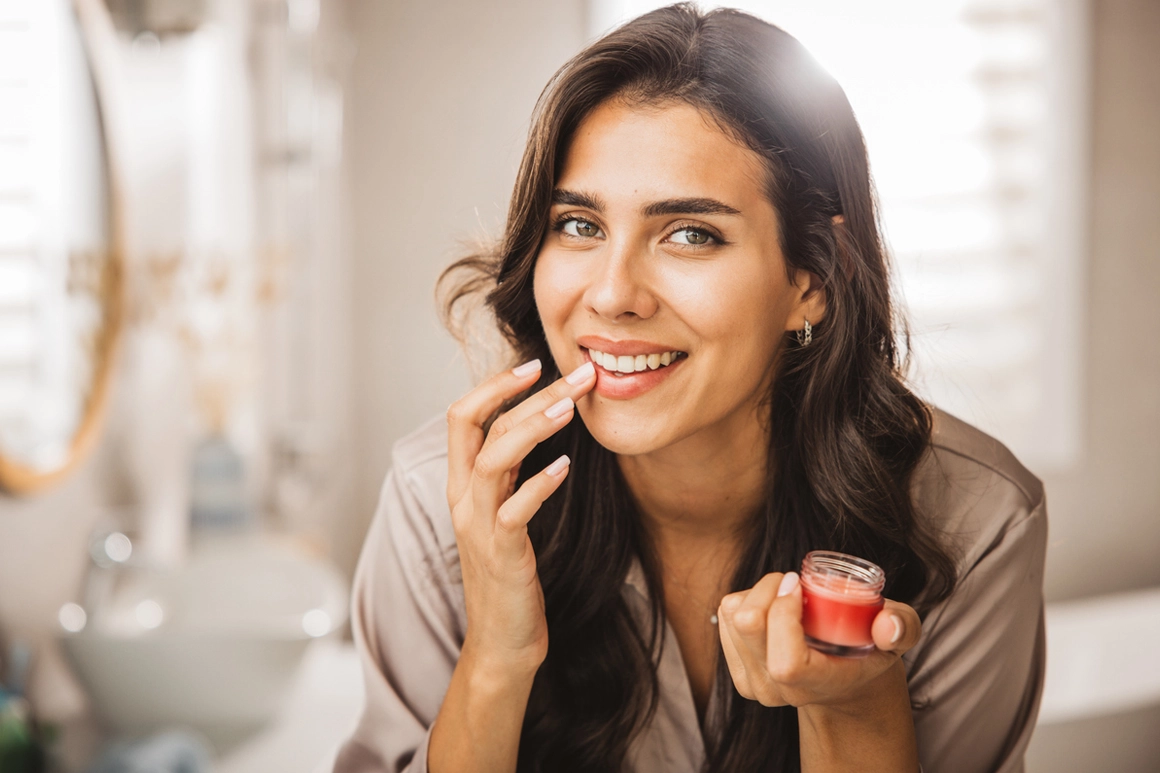
Lip balm
4 of 4
Changes in temperature can cause your lips to become dry, chapped or dehydrated. That’s why you should always carry a lip balm in your handbag or pockets.
To make a natural one, simply mix one tablespoon of beeswax with one of coconut oil and another of shea butter. Then heat the mixture in a bain-marie until it melts, before pouring it into small containers. You can also add essential oils for fragrance.