The films that defined 2025 (and that you need to know for 2026)
At the beginning of each year, a special season unfolds that has nothing to do with the weather or the garden: it is awards season.
While the stars are busy campaigning and the media cannot keep up with covering events, audiences rush to catch up on the films they have not yet seen. And that is precisely what we are doing, so let’s get to it!
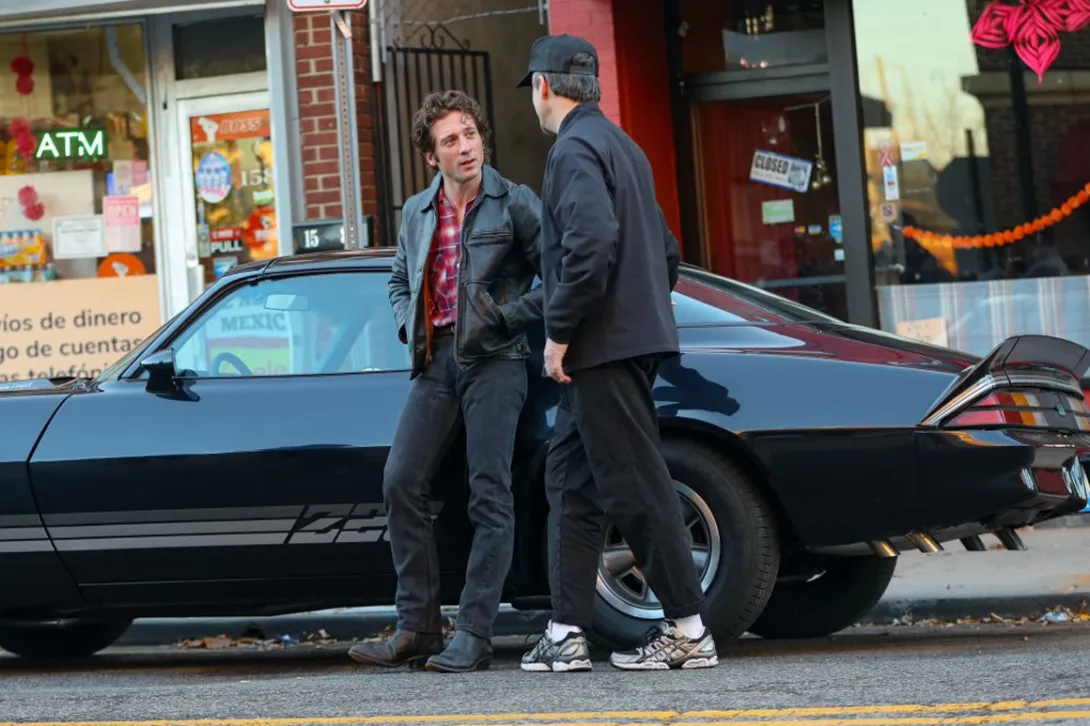
If last awards season had Timothée Chalamet’s Bob Dylan, this one —as if Hollywood were trying to assemble a kind of Avengers of musical biopics, which could include Rami Malek’s Freddie Mercury or Taron Egerton’s Elton John— features Jeremy Allen White’s Bruce Springsteen, who shines in Deliver Me From Nowhere, an otherwise pale, bland and uninventive film about Springsteen’s struggle with depression and the simultaneous composition of two of his fundamental albums, Nebraska and Born in the U.S.A.
Chalamet, incidentally, once again tops the betting for the most prestigious awards for his performance in Marty Supreme. The first solo-directed film by Josh Safdie is an electric odyssey that follows its namesake Marty Mauser in his dream of becoming the world champion of table tennis. Chalamet embodies him with all the manic charge and charisma that also define him as an actor, in what represents a new professional peak and one of the most magnetic feature films of 2025 (even if it reaches our cinemas on 30 January).
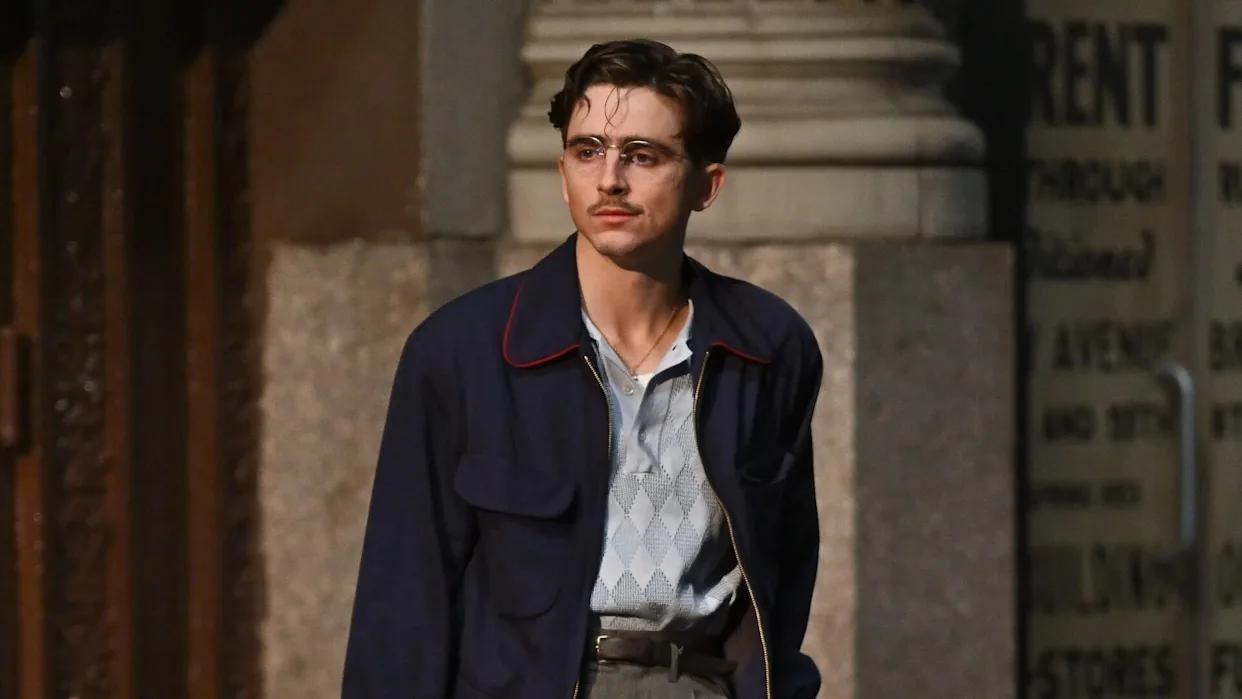
One of his great rivals this season will be Ethan Hawke, who has reunited with director Richard Linklater to star in Blue Moon: one night in the life of the legendary composer Lorenz Hart, specifically 31 March 1943, the opening night of Oklahoma!. Hawke is at once melancholic and vigorous and dances the waltz of a melodic screenplay alongside the also wonderful Andrew Scott, Bobby Cannavale and —much less brilliant, it must be said— Margaret Qualley.
America: glory and gore
Once again, American cinema has offered us a collection of spectacles with a capital S. The release schedule has seen the parade of the long-awaited avalanche of superhero films —James Gunn’s Superman; some new-old Fantastic Four; and the Thunderbolts—, has delighted us with the undeniable horror film of 2025, Weapons, unsettling and hilarious in equal measure; and has given us another Avatar, the third of James Cameron’s five films about the struggle between the indigenous population of Pandora and the Resources Development Administration, the organisation that wants to colonise it.
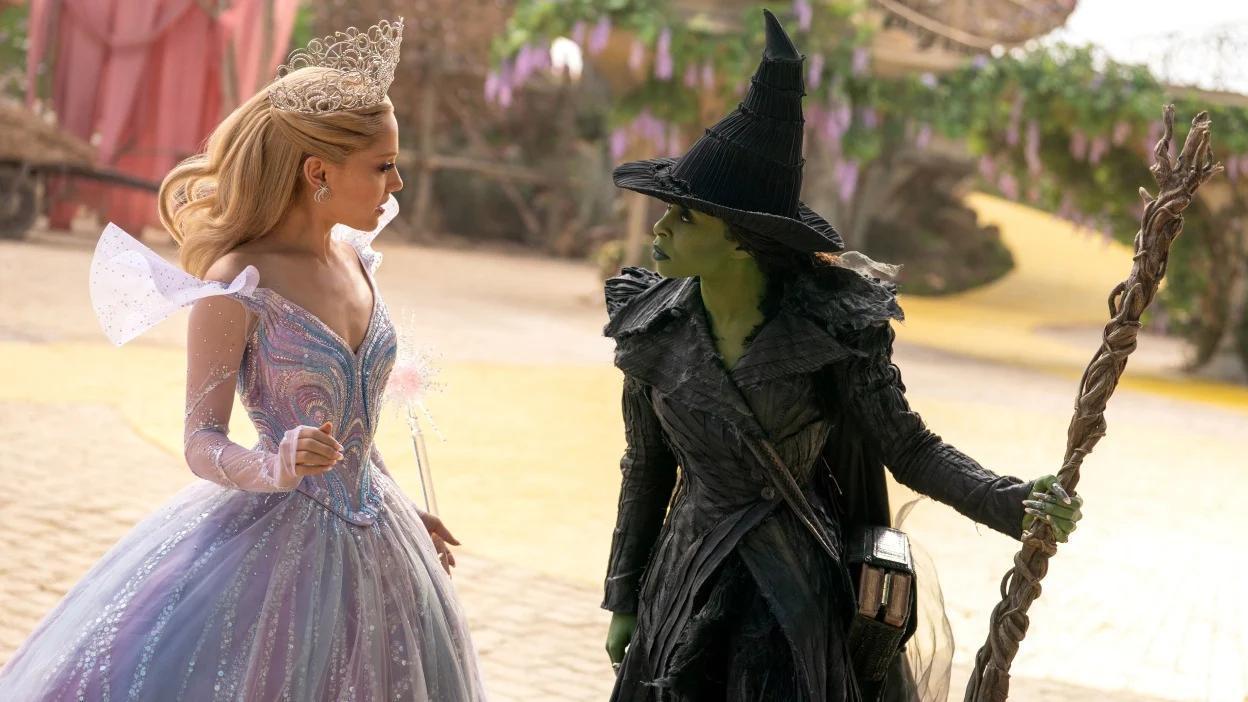
Of course, we have also dreamed with the second part of Wicked, the conclusion of the musical that traces the origin of the Wicked Witch of Oz, and we have enjoyed the daring fantasy of Sinners: a Southern Gothic horror tale that builds a great parable about evil (and the African American legacy).
In parallel, curiously, films with indie souls and blockbuster bodies that critically reflect on the United States have triumphed. We are referring primarily to the return of Paul Thomas Anderson, One Battle After Another. This frenetic adaptation of Thomas Pynchon is about revolutionaries and fascists, about the status quo, community and individualism, about how entertaining Leonardo DiCaprio, Benicio del Toro, Teyana Taylor and Sean Penn can be, albeit in different ways. But above all, it is about loving a child, and what one is capable of doing for them.
Of fathers, mothers, sons and daughters
One Battle After Another is not the only film this year to deal with this. The Norwegian production Valor Sentimental, by director Joachim Trier, traces a spiral around two sisters (Renate Reinsve and Inga Ibsdotter Lilleaas) and their absent father (Stellan Skarsgård), who reappears in their lives after the death of their mother. He, an acclaimed independent film director, returns with a screenplay under his arm, and an offer for his elder daughter, an actress: that she play the lead. From here, we witness a moving meditation on grief and unconditional love with some of the year’s best performances.
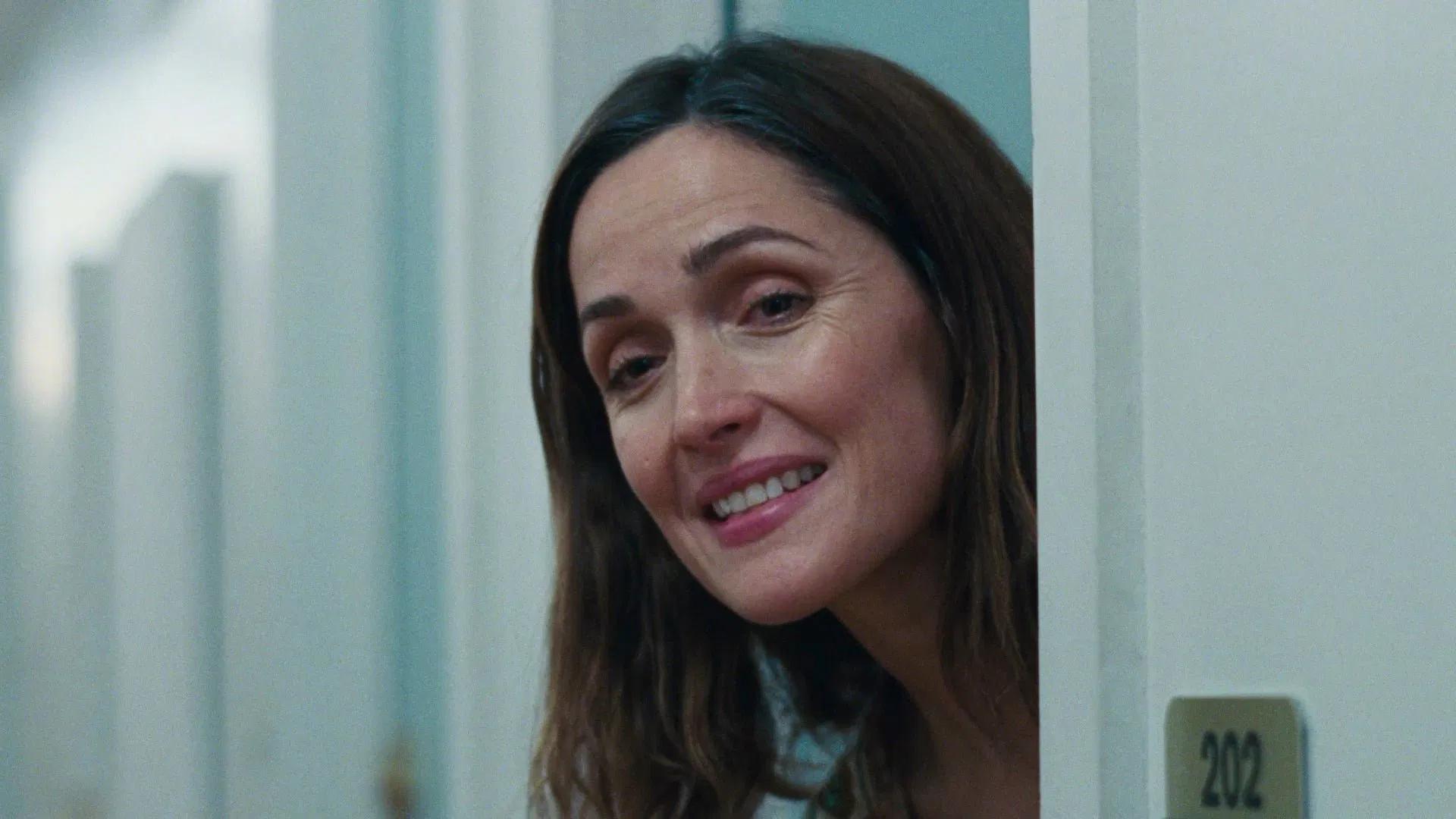
Others of the most intense are delivered by fictional mothers: in If I Had Legs I’d Kick You, a harrowing psychological drama in which Rose Byrne is pushed to the brink of sanity when work stress, an emergency in her flat and complications from her daughter’s illness combine to create a cosmic explosion. Jennifer Lawrence also explodes, absolutely incandescent, in Die My Love, when, isolated in a house in Montana, she is overwhelmed by her postpartum depression and loses control of her life.
During this awards season, they face Jessie Buckley, who allows grief to pass through her in Hamnet, Chloé Zhao’s adaptation of Maggie O’Farrell’s novel of the same name. This historical drama fictionalises the lives of William Shakespeare (Paul Mescal) and his wife, Agnes Hathaway (Buckley), after the death of their son (and the consequent writing of Shakespeare’s greatest work).
With a spanish accent
Family has also been the standout theme of Spanish cinema this year. Filmmaker Carla Simón has returned to what is her favourite subject in Romería, completing the autobiographical trilogy she forms with Estiu 1993 and Alcarràs. Here, the protagonist, after being orphaned and raised by her maternal aunt, travels to Galicia to put some documents in order and, along the way, get to know her father’s family.
Family conflict also exists in Los domingos, the new film by Alauda Ruiz de Azúa, in which a seventeen-year-old girl wants to enter an order of cloistered nuns, meeting aggressive opposition from her aunt and father. And again in Maspalomas, directed by Jose Mari Goenaga and Aitor Arregi, about an elderly gay man who suffers a stroke and is forced to move to Donosti so that his daughter, with whom he has no relationship, can place him in a care home and look after him.

Paternal-filial anxieties even appear in Óliver Laxe’s ‘desert trance’: Sirāt, awarded the Jury Prize at the Cannes Film Festival, is a disconcerting trip through the randomness of life to the rhythm of hard techno, but its catalyst is the search for a daughter lost in the raves of Morocco. There is no doubt that the film will be competing in many categories for Best International Feature Film, even if we have no certainty about the final result. In that sense, awards season is just like that journey in Sirāt: what matters is not the destination… but how many films we have seen along the way!