4 ideas for rediscovering the flavour of mushrooms
Mushrooms are autumn’s star ingredient, equally essential to cooking while also versatile enough to feature in both cold dishes and hearty stews.
With the change in temperature and the first autumn rains, one of the season’s most eagerly awaited culinary delights begins to flourish in the woods: mushrooms. Although they can be found in supermarkets all year round, it is at this time of year that they are foraged and can be savoured to the full.
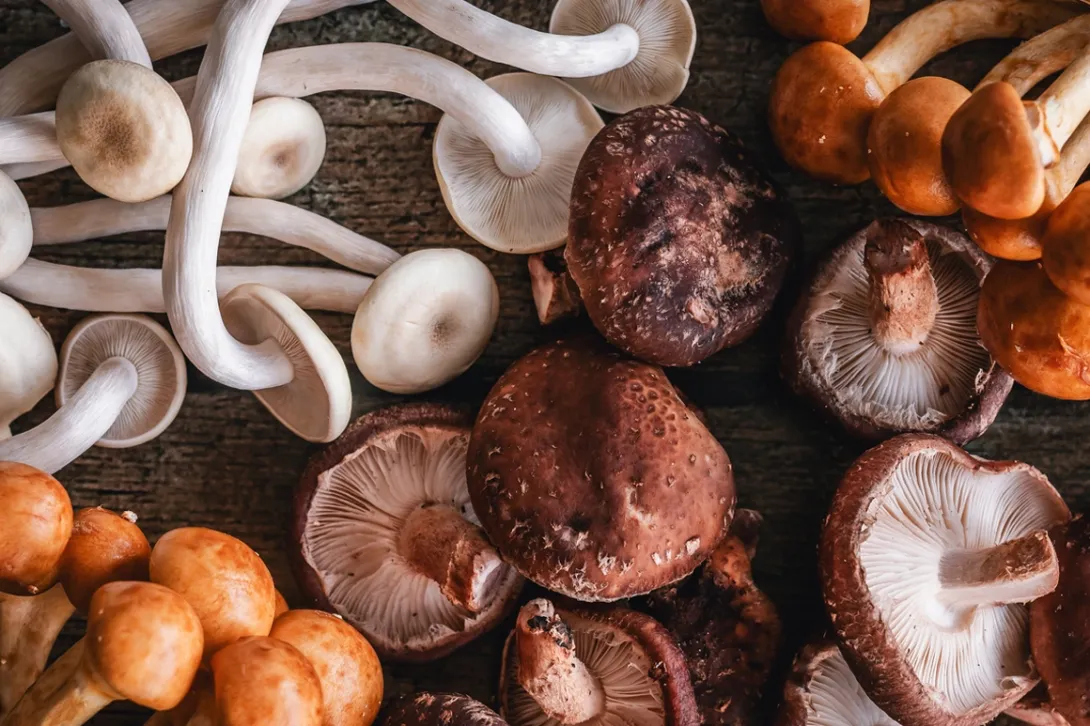
There is a wide variety of species across the globe, although many of them are not suitable for consumption. Around 1,500 species have been catalogued on the Iberian Peninsula, and at the start of the season, the woods become the most popular destination for professional foragers, enthusiasts and beginners alike. Consequently, the variety of this local produce has made it an integral part of the region’s cuisine.
However, it is important to remember that not all species are edible and some can even be harmful to health. When it comes to wild mushrooms, it is important to consume only those that you can identify with certainty. On the other hand, products available at markets or specialist shops are completely safe.
Some of the most commonly eaten varieties on the Iberian Peninsula are the milk cap, the boletus, the black trumpet and the thistle mushroom. All of them are ideal for incorporating into a wide variety of dishes, both hot and cold.
Nutritional value
Mushrooms are low in protein, fat and carbohydrates, making them a low-calorie and low-fat food. They are also high in water and fibre, which makes them ideal for increasing the intake of these nutrients in the diet.
There are many species, and each offers unique benefits. For example, shiitake help to lower cholesterol and blood pressure, while thistle stimulate the circulatory system.
Most varieties share essential nutrients for our bodies. The Spanish Heart Foundation recommends them as a key food for promoting cardiovascular health and strengthening the immune system.
However, as they are a high-fibre food, they can be difficult to digest, so it is best to eat them in moderation, particularly for people with digestive problems.
Which dishes do they go best with?
If there’s one ingredient that can save any lunch or dinner, it’s mushrooms. Their versatility and ease of cooking make them perfect for including in a wide variety of dishes. They can be added to almost any dish, from starters and scrambled eggs to vegetable side dishes or sauces.
Mushrooms also work perfectly in hearty, spoon-fed dishes. They add great flavour to soups, cream soups and stews thanks to their intense aroma, so characteristic of autumn.
Some tips for preparing mushrooms
Before cooking fungi, you should remove any excess soil. It is therefore advisable not to soak them, as they are very porous and water can alter their texture and flavour. Ideally, clean them with a soft brush or kitchen paper, which can be used in conjunction with a slightly damp cloth to remove any stubborn residue.
Generally speaking, button mushrooms and portobello mushrooms sold in supermarkets are safe to eat raw. Conversely, experts advise against eating wild species without cooking them first, as they can be particularly dangerous.
4 recipes that include mushrooms
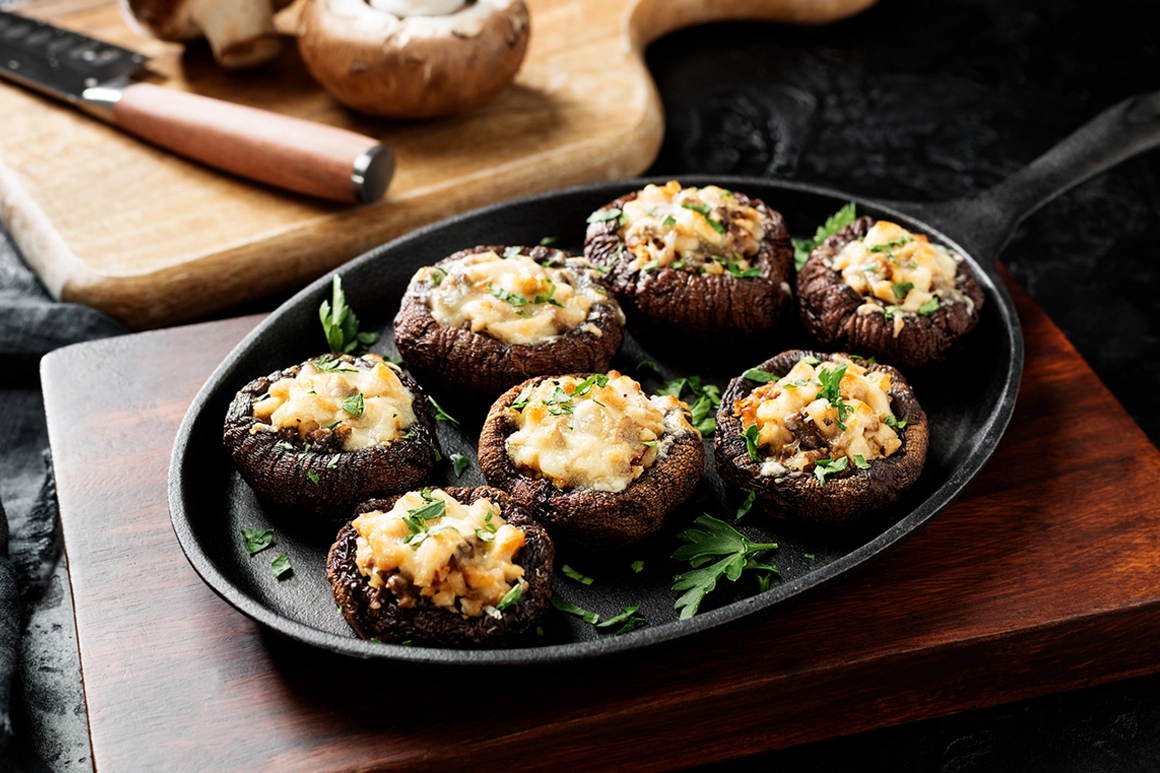
Mushrooms stuffed with meat
1 of 4
Ingredients for 4 people
- 12 large mushrooms
- 300 g minced meat
- 1 large carrot
- 1 small red onion
- 1 green Italian pepper
- 100 g barbecue sauce
- Grated cheese to taste
- Salt and pepper to taste
- Spices to taste
- Extra virgin olive oil
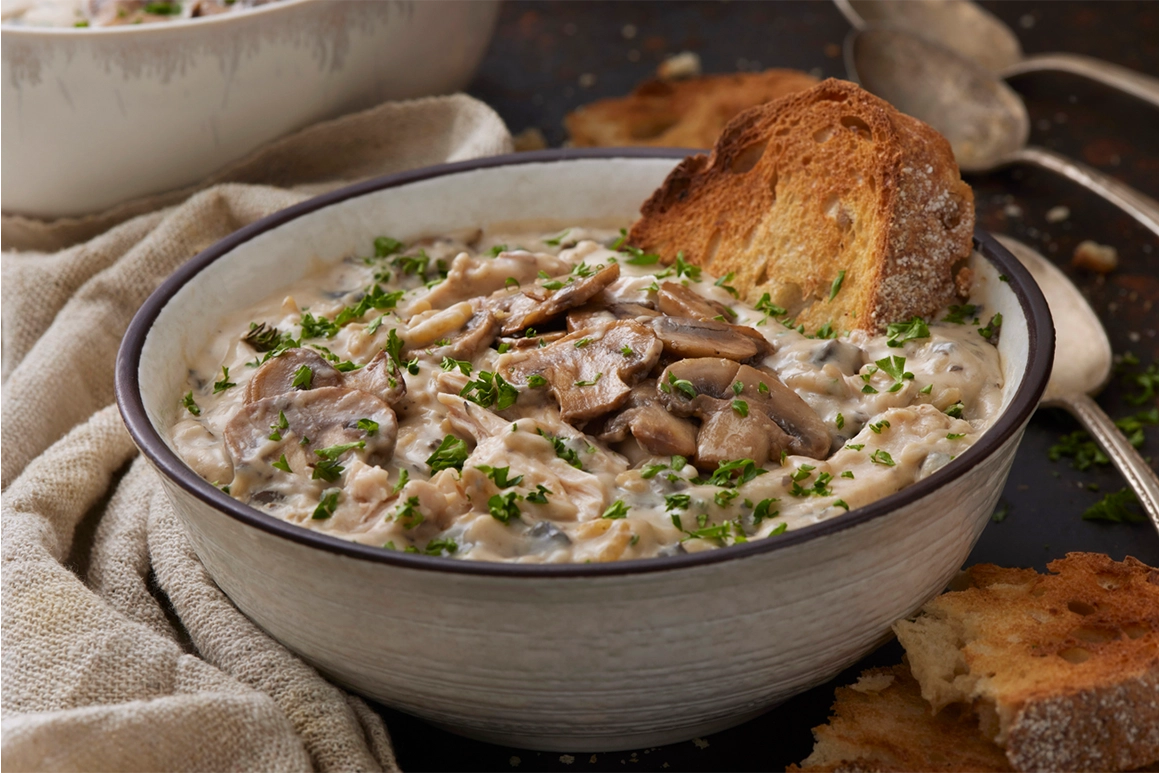
Cream of mushroom soup
2 of 4
Ingredients for 4 people
- 500 g mixed mushrooms
- 3 medium leeks
- 1 large onion
- Chicken stock or vegetable stock
- 200 ml cooking cream
- Extra virgin olive oil
- Thyme, rosemary or bay leaf to taste
- Salt to taste
- Serrano ham to taste
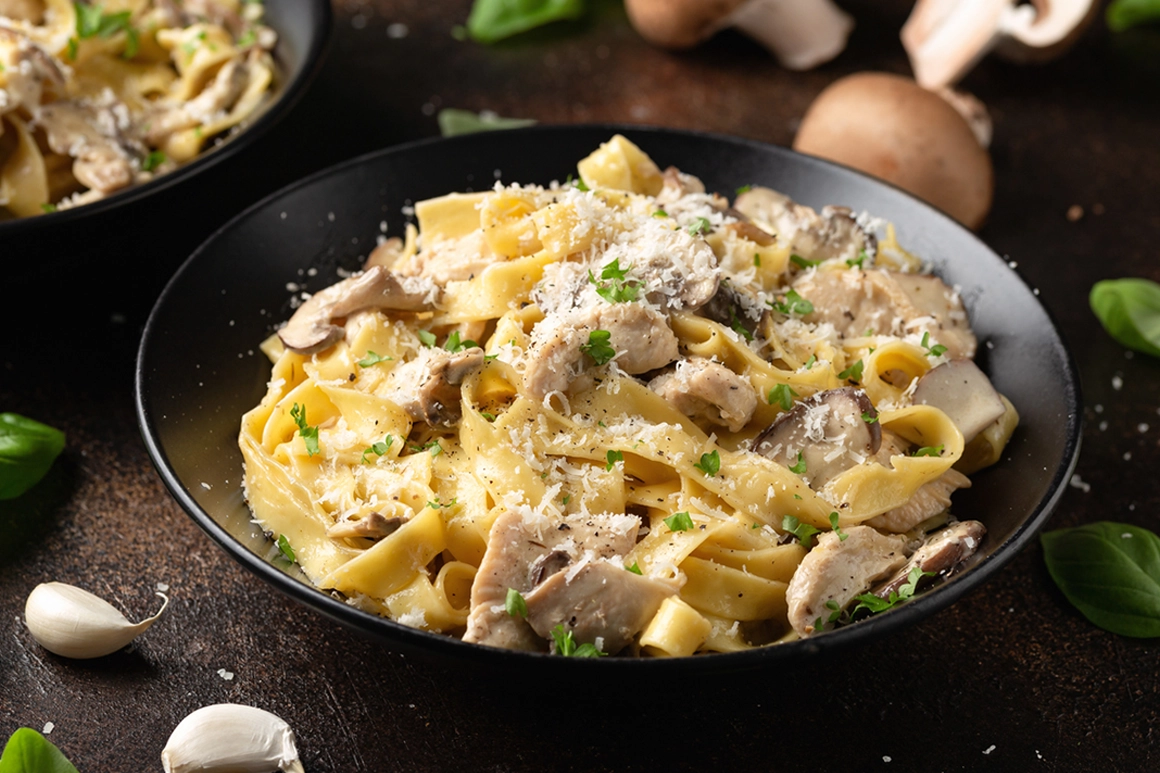
Pasta with mushroom sauce and ham
3 of 4
Ingredients for 4 people
- 400 g pasta of your choice
- 300 g mixed mushrooms
- 120 g diced ham
- 1 sweet onion
- 200 g cooking cream
- 3 cloves of garlic
- Parsley, to taste
- Nutmeg, to taste
- Extra virgin olive oil
- Salt and pepper, to taste
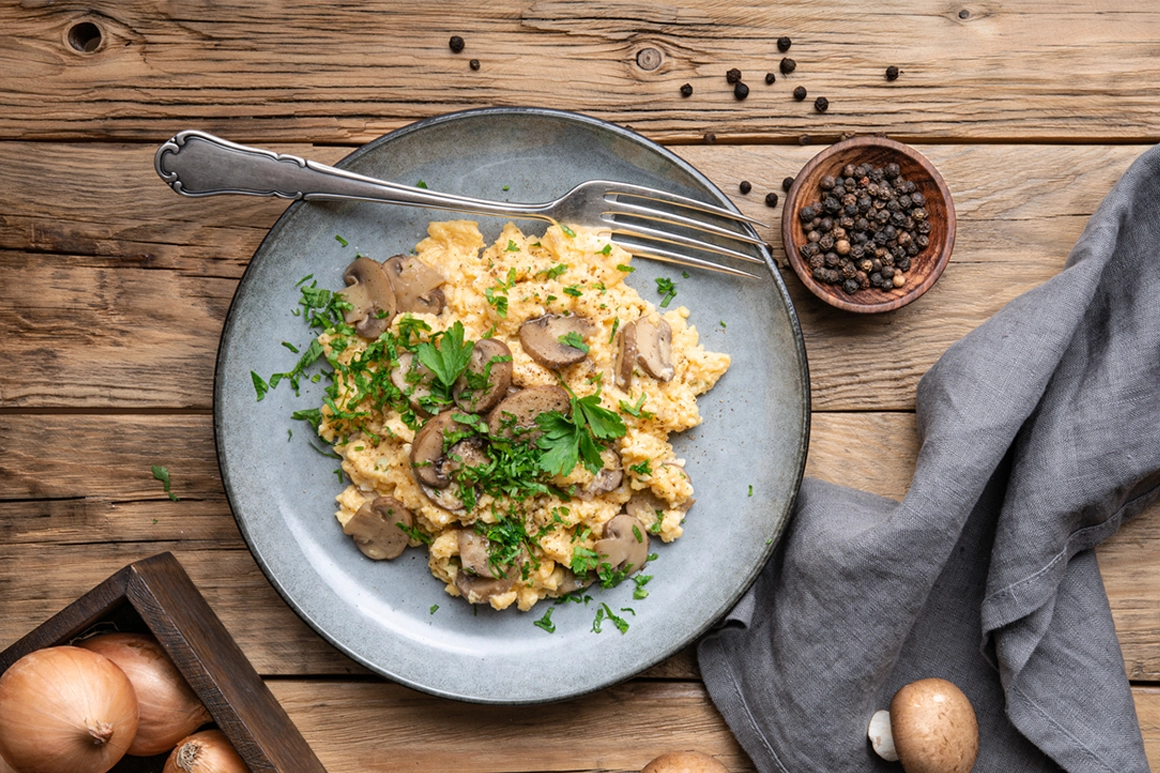
Scrambled eggs with mushrooms
4 of 4
Ingredients for 4 people
- 300 g mixed mushrooms
- 30 g butter
- 2 cloves of garlic
- 5 eggs
- Chopped parsley to taste
- Salt and black pepper to taste